English
- English
- Español
- Português
- русский
- Français
- 日本語
- Deutsch
- tiếng Việt
- Italiano
- Nederlands
- ภาษาไทย
- Polski
- 한국어
- Svenska
- magyar
- Malay
- বাংলা ভাষার
- Dansk
- Suomi
- हिन्दी
- Pilipino
- Türkçe
- Gaeilge
- العربية
- Indonesia
- Norsk
- تمل
- český
- ελληνικά
- український
- Javanese
- فارسی
- தமிழ்
- తెలుగు
- नेपाली
- Burmese
- български
- ລາວ
- Latine
- Қазақша
- Euskal
- Azərbaycan
- Slovenský jazyk
- Македонски
- Lietuvos
- Eesti Keel
- Română
- Slovenski
- मराठी
- Srpski језик

How to Inspect RO Pumps, Membranes & Instruments?
How to Inspect Pumps, RO Membranes & Instruments?
Author: Sophia
VLLRO Water Treatment Engineer, 20 years experience | Helping you avoid pump burnout and membrane failure
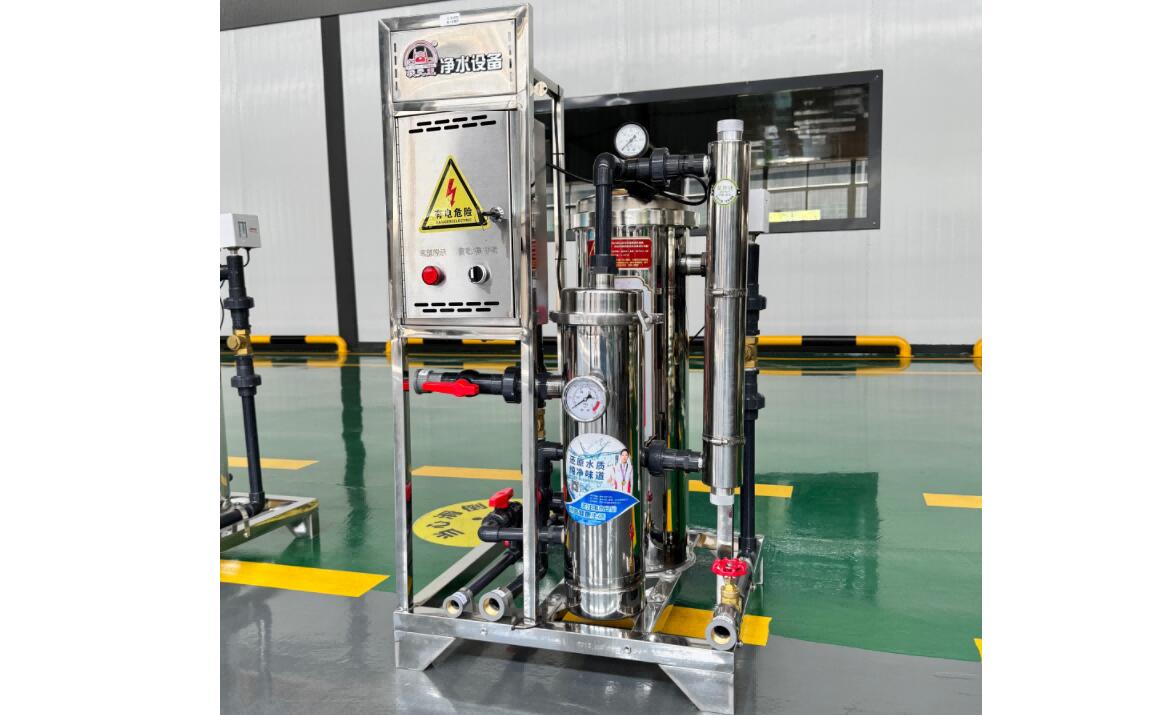
The heart of any reverse osmosis system is the high‑pressure pump and the RO membrane. The precision filter and instruments support them. A cheap pump can fail in months. A counterfeit membrane will never reject salts properly. And a bad pressure gauge will mislead your operator.
In this final guide of the series, I will show you how to inspect high‑pressure pumps, RO membranes, membrane housings, precision filters (5‑micron PP cartridges), and all supporting instruments – using the same look, touch, test, compare method.

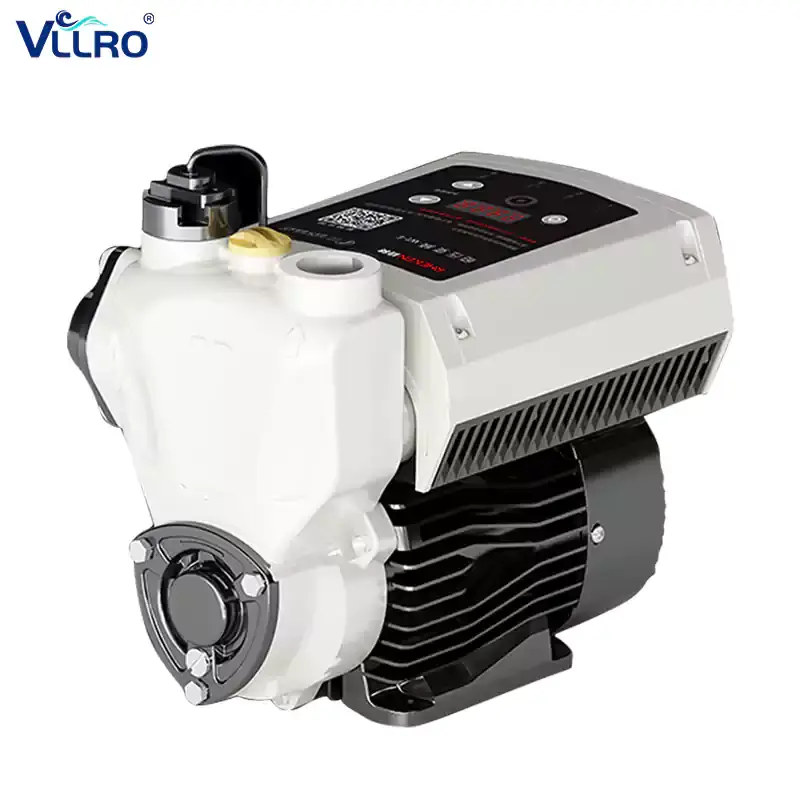
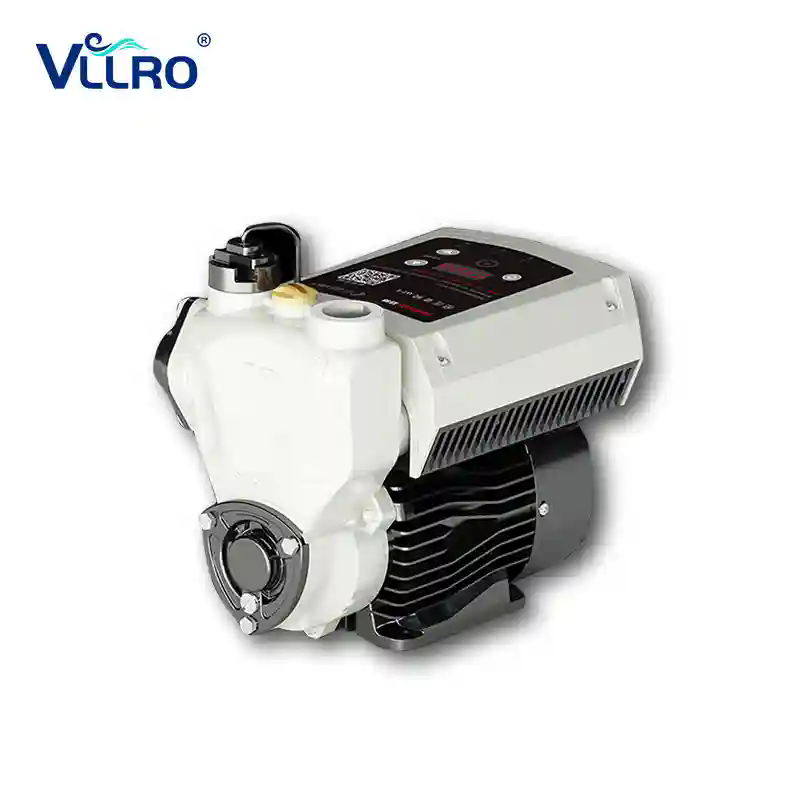
High‑Pressure Pump (SHIMGE, etc.)
The pump provides the force for reverse osmosis. Without a reliable pump, you get no water.
✅ Good Quality Signs
- Clear brand and model – SHIMGE, Grundfos, etc. – with power, flow, and head rating.
- Pump body is solid, precise casting, no burrs.
- Impeller (plastic) is tough – doesn‘t crack when flexed slightly. Motor has no strong paint smell.
- Test run – low noise, minimal vibration, stable pressure output.
❌ Bad Quality Signs
- No brand or generic label. Ratings are vague or missing.
- Pump body feels thin. Plastic parts have rough edges.
- Impeller is brittle. Motor smells of overheated varnish.
- Test run – loud noise, heavy vibration, pressure fluctuates wildly.
> I had a customer replace a burnt pump twice in one year. Both were unbranded “copies.” The third time, we installed a genuine SHIMGE pump – it has been running for 4 years without issue.
RO Membrane (Vontron / Dow FilmTec, etc.)
The RO membrane is the most expensive consumable. Counterfeits are common.
✅ Good Quality Signs
- Brand and model clearly printed. Serial number traceable to the manufacturer.
- Membrane roll is tight – no loose layers, no air bubbles between sheets.
- End seals are flat, no cracks or deformation.
- New membrane has no strong chemical smell. Packaging is intact with anti‑tamper seal.
❌ Bad Quality Signs
- Serial number cannot be verified (or missing). Generic label.
- Roll feels loose – you can push the layers apart. Bubbles visible.
- End seals are damaged or crooked.
- Strong solvent or fishy smell. Packaging is cheap, no seal.
> I once tested a “bargain” RO membrane. The salt rejection was only 85% (should be 99%). The seller disappeared. Always buy from trusted sources.
Membrane Housing (304 Stainless Steel)
The housing holds the RO membrane under high pressure. A bad housing can burst.
✅ Good Quality Signs
- 304 stainless steel with engraved mark or test report.
- Body is thick. End caps are machined smoothly.
- Seals (O‑rings) are food‑grade silicone – elastic, no odor.
- Threads are clean, easy to turn by hand.
❌ Bad Quality Signs
- No material mark – or quickly rusting (not 304).
- Thin body. End caps rough, may leak.
- Seals are hard, cracked, or smell bad.
- Threads have burrs – difficult to install.
Precision Filter & PP Cartridge (5‑micron, 20‑inch)
The precision filter protects the RO membrane from large particles that could scratch it.
Stainless Steel Precision Filter Housing
- Good: 304 stainless, thick body, smooth welds, food‑grade silicone seal, clean threads.
- Bad: Unknown material (rusts), rough welds with pinholes, hard seal, poor threads.
PP Sediment Cartridge (5μm)
- Good: Gradient structure – outer coarse, inner fine. Feels firm but elastic. No smell, smooth surface. Clear brand and micron rating. Soaked in water – does not fall apart or shed fibers.
- Bad: Uneven density – too soft or too hard. Strong plastic smell, rough surface. No brand or rating. Soaked – becomes mushy or releases white fibers.
> A customer used cheap PP cartridges that disintegrated after 2 months. The fibers clogged his flow restrictor. He spent hours cleaning the system. Good cartridges cost only a few dollars more.

Sophia‘s Complete Field Checklist for Pumps, Membranes & Instruments
Before you install any of these components, run through this 5‑minute check:
|
Component |
What to Look For |
Quick Test |
|
High pressure pump |
Brand, weight, impeller flexibility |
Listen for noise, check vibration |
|
RO membrane |
Serial number, roll tightness, smell |
Verify rejection with TDS meter after install |
|
Membrane housing |
304 mark, thick body, good seals |
Pressure test to rated value |
|
PP cartridge |
Gradient structure, no odor |
Squeeze – should not crush easily |
|
Pressure gauge |
Brand, clear scale, steady needle |
Compare with known gauge |
|
Flow meter |
Smooth rotor, no sticking |
Run water through – float should move freely |
Ready to Source Quality Pumps, Membranes & Instruments?
Now you can confidently separate high‑quality pumps, RO membranes, and precision filters from dangerous fakes. Use these methods on every purchase.
Need a complete pre‑configured system? Visit our [Factory Direct RO Systems] .
Related News
- How to Reduce Wastewater in Commercial RO Systems Without Sacrificing Membrane Life
- How to Calculate ROI for a Commercial Water Refilling Station
- How to Design a Borehole Water Pretreatment System for Remote Commercial RO Stations
- The "Brain" Behind the System: How VLLRO's Intelligent IoT Control Platform Revolutionizes Water Management
- The Invisible Shield: Why UV Sterilization is Non-Negotiable for Safe Drinking Water
- Maximizing RO Longevity: The Complete Guide to Water Filtration Consumables and Replacement Cycles
Leave me a message