
English
- English
- Español
- Português
- русский
- Français
- 日本語
- Deutsch
- tiếng Việt
- Italiano
- Nederlands
- ภาษาไทย
- Polski
- 한국어
- Svenska
- magyar
- Malay
- বাংলা ভাষার
- Dansk
- Suomi
- हिन्दी
- Pilipino
- Türkçe
- Gaeilge
- العربية
- Indonesia
- Norsk
- تمل
- český
- ελληνικά
- український
- Javanese
- فارسی
- தமிழ்
- తెలుగు
- नेपाली
- Burmese
- български
- ລາວ
- Latine
- Қазақша
- Euskal
- Azərbaycan
- Slovenský jazyk
- Македонски
- Lietuvos
- Eesti Keel
- Română
- Slovenski
- मराठी
- Srpski језик
Water Softening Resin for Domestic Water Use
Combatting hard water issues at home requires a reliable and efficient solution. Our premium Water Softening Resin with Ion Exchange Technology is engineered to provide exactly that. This Ion Exchange Water Softening Resin for Hard Water is the core component of any effective water softening system, specifically designed to attract and remove calcium and magnesium ions—the primary culprits of scale buildup. By effectively swapping these hardness minerals for benign sodium or potassium ions, it prevents the formation of limescale that can damage appliances, reduce water heater efficiency, and leave unsightly spots on dishes and fixtures. Furthermore, our specialized Water Softening Resin for Scale Removal offers superior performance for areas with extremely high mineral content, ensuring long-term protection for your plumbing and home appliances. To maximize convenience and minimize downtime, we also offer a Water Softening Resin with Fast Reactivation, which allows for quicker regeneration cycles, saving you time, salt, and water.
The <产品名字> stands out due to its exceptional technical specifications and consistent performance. Manufactured from high-purity, food-grade materials, it is safe for potable water applications. The uniform bead size and robust cross-linked structure ensure optimal flow rates, high exchange capacity, and remarkable physical durability to withstand years of service and repeated regeneration cycles. Below are the detailed parameters that define our product's excellence.
Key Product Parameters
- Matrix Structure: Styrene-Divinylbenzene (Styrene-DVB)
- Functional Group: Sulfonic Acid (Strong Acid Cation)
- Ionic Form as Shipped: Sodium (Na+)
- Total Exchange Capacity: ≥ 2.0 eq/L (Na+ form)
- Moisture Content: 45% - 50%
- Particle Size Range: 0.3 - 1.2 mm
- Uniformity Coefficient: ≤ 1.7
- Maximum Operating Temperature: 120°C (248°F)
- pH Range: 0 - 14
- Chemical Stability: Resistant to oxidants and organic fouling
Performance Comparison Table
| Feature | Standard Resin | <产品名字> |
|---|---|---|
| Exchange Capacity | ~1.8 eq/L | ≥ 2.0 eq/L |
| Bead Uniformity | Moderate | High (Uniformity Coeff. ≤ 1.7) |
| Reactivation Efficiency | Standard | Fast & Efficient |
| Fouling Resistance | Basic | Enhanced |
| Estimated Lifespan | 5-8 years | 8-12+ years |
For optimal performance, the <产品名字> should be regenerated with a high-purity sodium chloride (salt) brine solution. The recommended salt dosage is typically between 6 to 15 lbs per cubic foot of resin, depending on water hardness and desired efficiency. A standard regeneration cycle involves backwash, brining, slow rinse, and fast rinse steps. Always consult your water softener's manual or a professional for system-specific regeneration settings to ensure you achieve the maximum softening capacity and longevity from your resin bed.
Related Products



Hot Products

Filter Bag For Water
VLLRO quality filter bag for water, specially designed for water purification filtration needs, are meticulously crafted by Chinese suppliers. Its filtration accuracy can be selected and it can effectively intercept suspended particles and impurities. It meets the filtration needs of different industries and is your ideal choice for water treatment.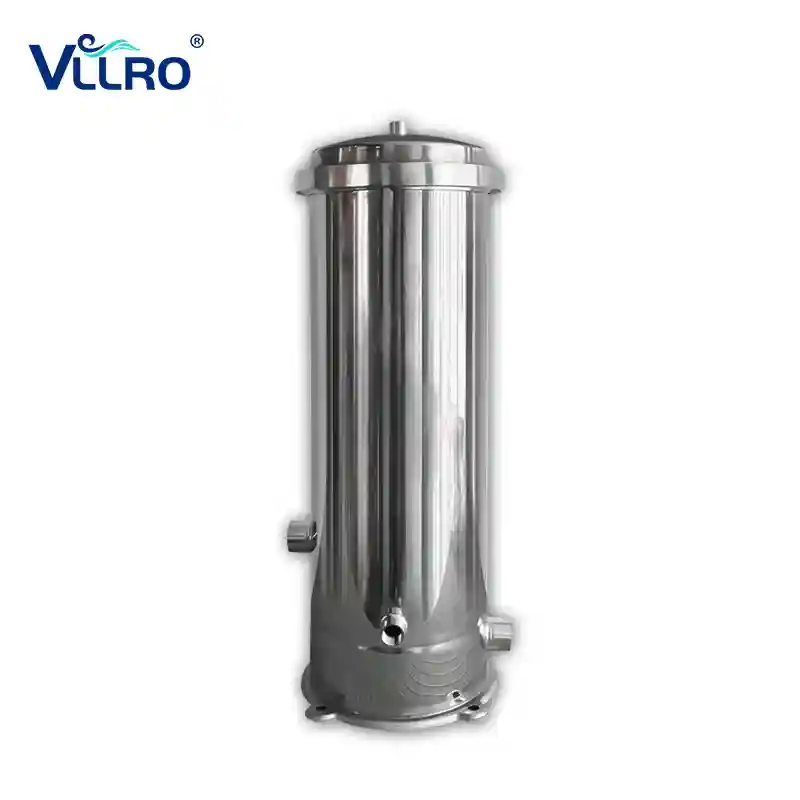
Precision Filter For Water Treatment
VLLRO is a China manufacturer of precision filter for water treatment. We offer a variety of equipment options with different filtration precisions and materials, and also support OEM/ODM customized production. This product can be used in different scenarios of household, commercial or large industrial projects.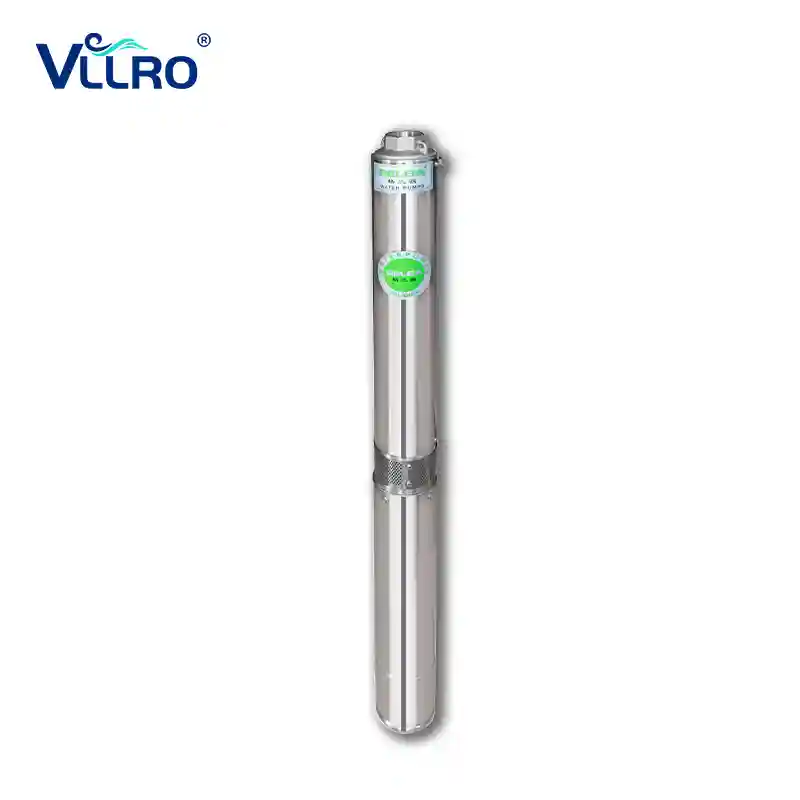
Deep Well Water Pump
The VLLRO deep well water pump, specially designed for deep well water extraction, is produced in a Chinese factory. The fully sealed waterproof body is rust-proof and anti-corrosive, and will not be damaged even after long-term immersion. The large flow rate meets the daily water supply and irrigation needs, and it operates quietly without disturbing the residents. Just put it directly into the well and it can be used. Installation is worry-free.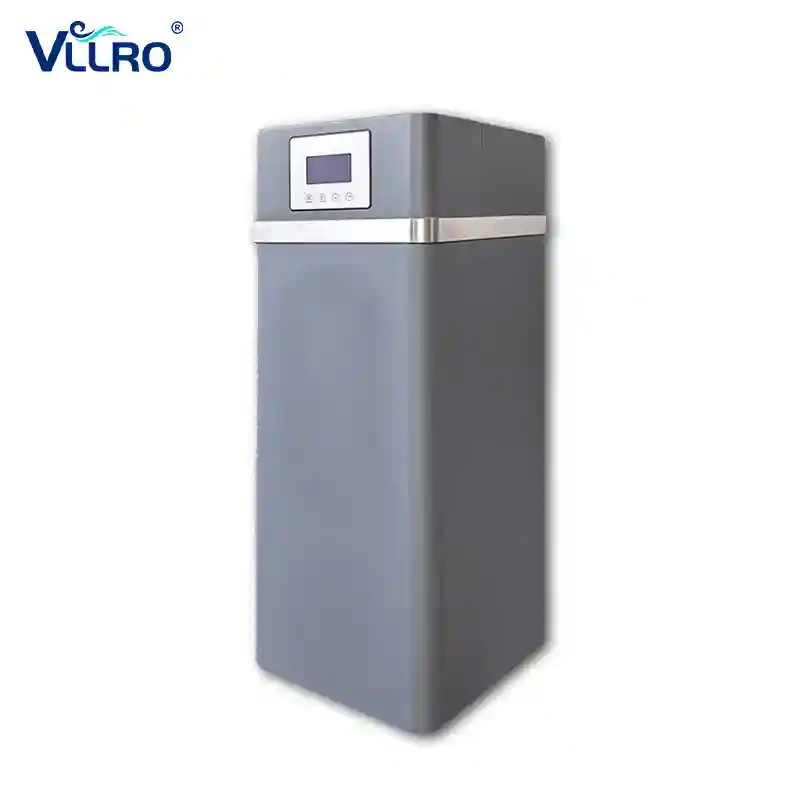
Whole House Water Softener
VLLRO whole house water softener, directly supplied by Chinese manufacturer, supports personalized customization. No more worries about water scale and water scale in the whole house. With intelligent control and automatic regeneration, it is easy to operate and can effectively protect water heaters and pipes and other water-using equipment, effectively extending the service life of household appliances. Say goodbye to the trouble of hard water and enjoy a high-quality life with soft water quality.
Stainless Steel Rectangular Water Tank
VLLRO is a manufacturer of stainless steel rectangular water tank in China. The food-grade stainless steel plates have strong corrosion resistance and are durable, protecting the safety of your drinking water. The water tanks adopt a modular design, saving space and being easy to install, serving household, commercial and municipal drinking water projects.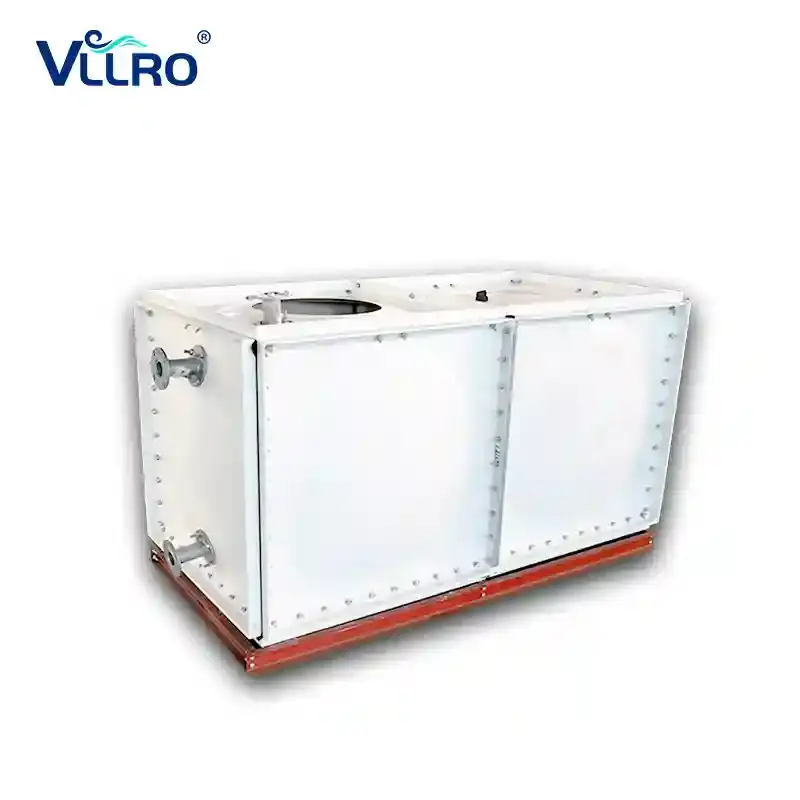
Industrial Fiberglass Water Tank
The industrial fiberglass water tank produced by VLLRO's China factory are specially designed for industrial water storage scenarios and can efficiently store groundwater, rainwater and tap water. The entire product is assembled from high-quality SMC water tank plates and made of food-grade resin material to ensure clean and pollution-free water quality.
- Related Blog
- Reviews
