
English
- English
- Español
- Português
- русский
- Français
- 日本語
- Deutsch
- tiếng Việt
- Italiano
- Nederlands
- ภาษาไทย
- Polski
- 한국어
- Svenska
- magyar
- Malay
- বাংলা ভাষার
- Dansk
- Suomi
- हिन्दी
- Pilipino
- Türkçe
- Gaeilge
- العربية
- Indonesia
- Norsk
- تمل
- český
- ελληνικά
- український
- Javanese
- فارسی
- தமிழ்
- తెలుగు
- नेपाली
- Burmese
- български
- ລາວ
- Latine
- Қазақша
- Euskal
- Azərbaycan
- Slovenský jazyk
- Македонски
- Lietuvos
- Eesti Keel
- Română
- Slovenski
- मराठी
- Srpski језик

News
VLLRO is happy to share with you what's happening in our company, company dynamics, and industry news related to our products.
 16 2026-07
 RO Membrane Pressure Drop & Desalination Drop – Troubleshooting Guide?
Before your RO system fails completely, learn a step‑by‑step troubleshooting process for pressure drop and desalination rate drop – covering parameter checks, pretreatment, seals, cleaning, and replacement and etc.
 15 2026-07
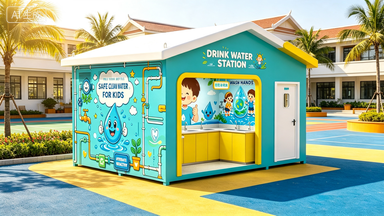
 All-in-One Kids School Water Station – Prefabricated Campus Solution?
Before your students queue for unsafe water, learn how a prefabricated kids school water station with RO+UV, cartoon design, IoT monitoring, and quick installation serves preschools and international schools across Southeast Asia and etc.
 15 2026-07
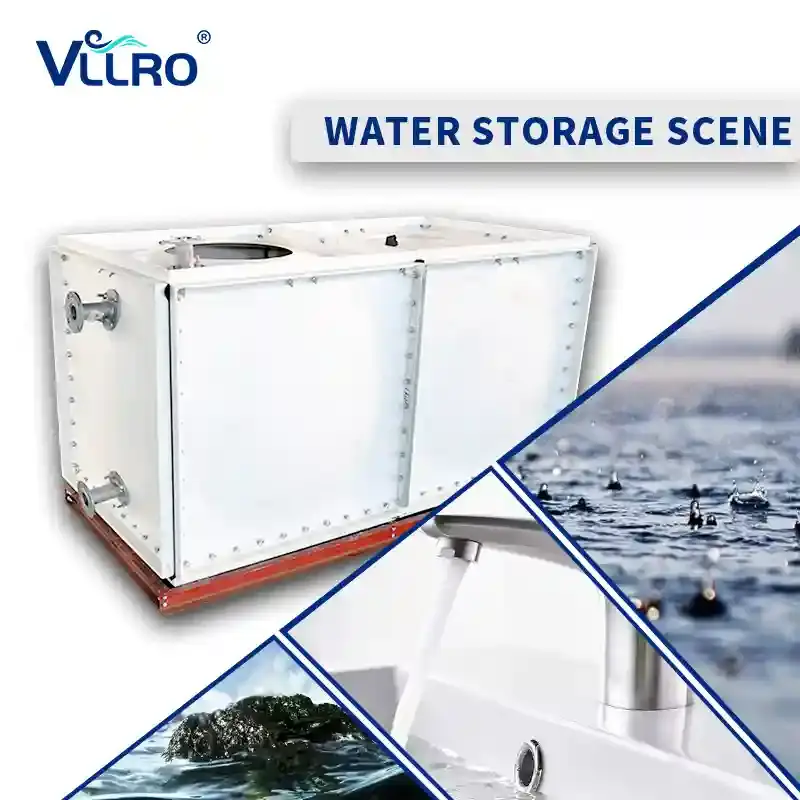
 What core performance standards must specialized water storage equipment for the chemical and manufacturing industries meet?
Industrial water storage scenarios are unique, and the industry's equipment entry threshold continues to rise. Combining industrial production conditions and industry acceptance standards, professional water storage equipment adapted to chemical and manufacturing scenarios must meet stringent standards in five dimensions: material safety, corrosion resistance, structural stability, scenario adaptability, and quality control delivery. Specific requirements are as follows:
 15 2026-07
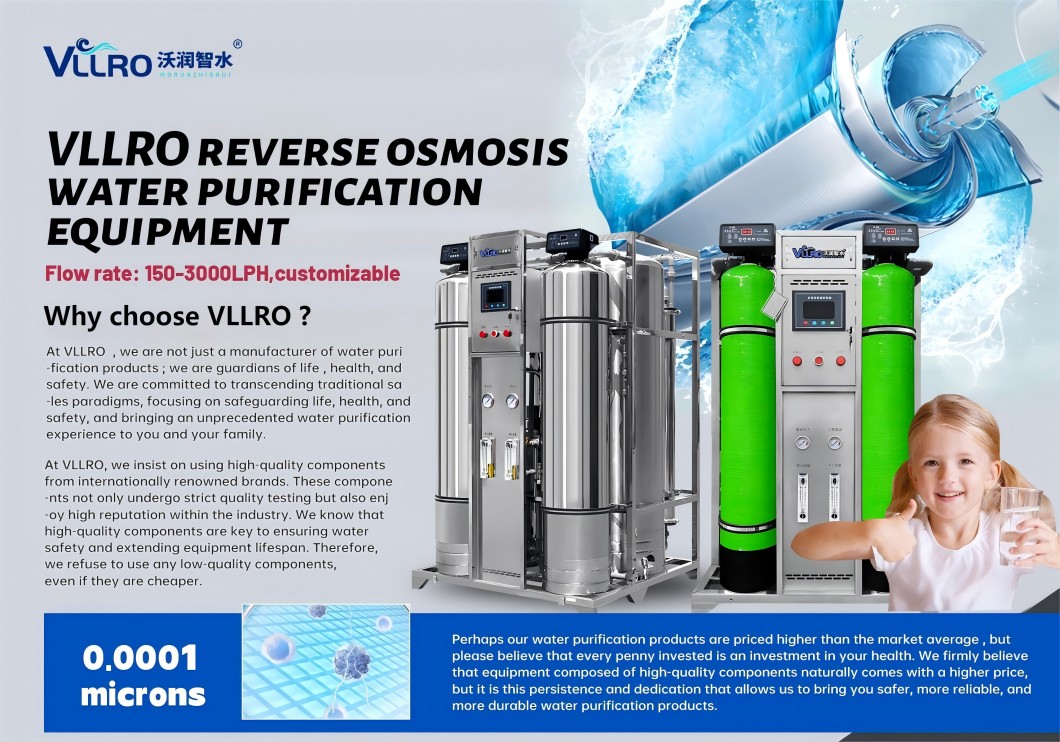
 Industrial water storage equipment is undergoing rapid iteration, so why have fiberglass water tanks become the mainstream choice for industrial applications?
With the accelerated transformation and upgrading of domestic industries, the continuous implementation of energy-saving and environmental protection policies, and the continuous improvement of the water resource recycling system, the industrial water storage equipment industry is ushering in a new wave of iterative upgrades.
 14 2026-07
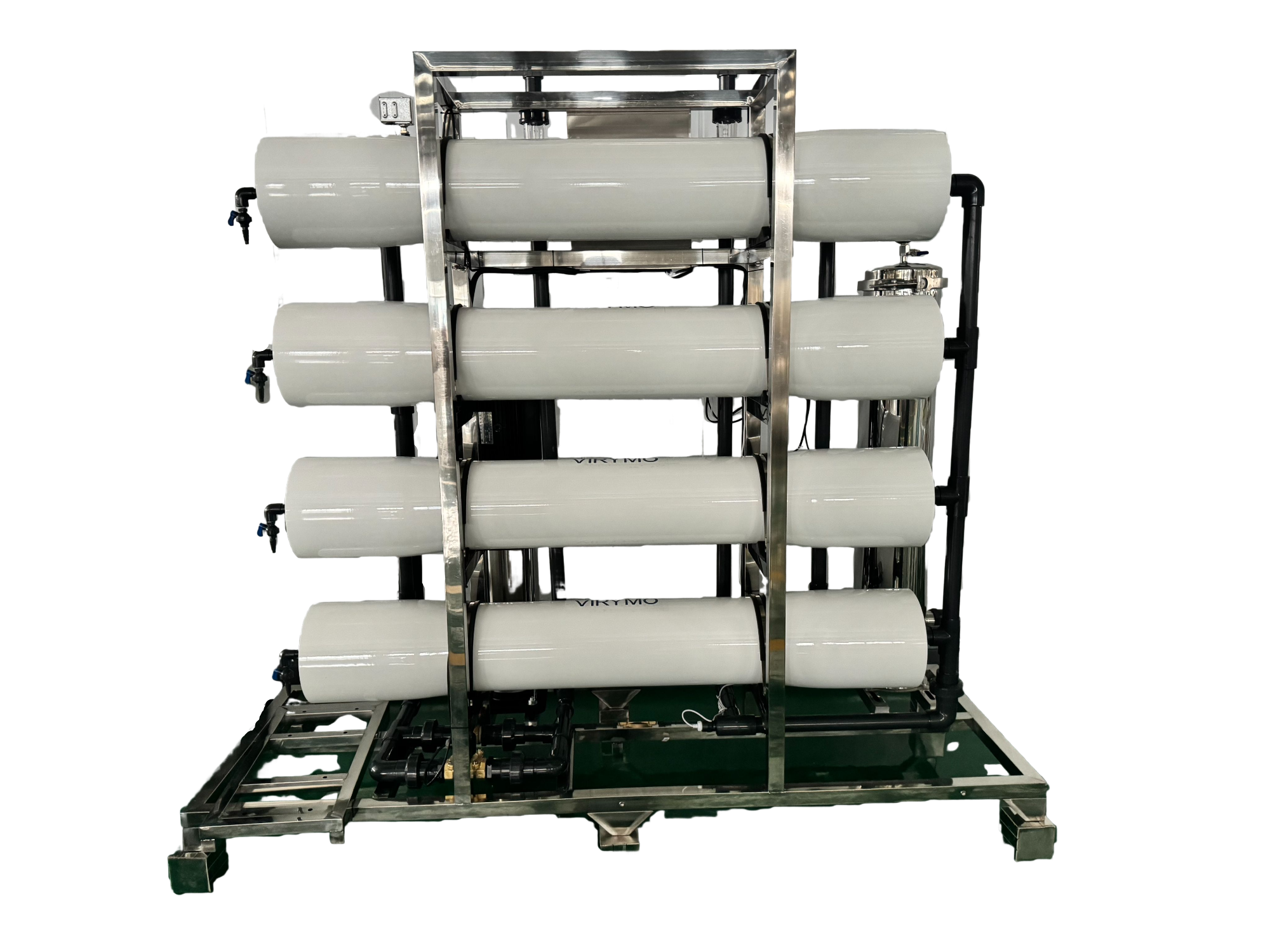
 4×4040 RO Membranes 1 T/H – Simulation Calculation Guide?
In this guide, I will walk through the complete simulation calculation process for a 4‑membrane 1 T/H system – based on real Malaysia government project documentation – covering baseline parameters, step‑by‑step simulation logic, and extreme‑condition validation.
 13 2026-07
 When to Replace RO Membrane? 6 Key Indicators for Decay?
The RO membrane is the core filtration element of any reverse osmosis system. It directly determines permeate flow, product water TDS, and desalination performance. Over time, membranes suffer from scaling, biofouling, oxidation damage, and compaction – causing water quality and production capacity to decline steadily. Many users are unsure when to replace their RO membrane , continuing to operate with degraded elements – leading to high‑pressure pump overload, increased consumable wear, and substandard water quality.
In this guide, I will present 6 quantifiable decay indicators based on real 1m³/h government project documentation – paired with operating parameters, fault symptoms, and maintenance strategies – to help you quickly determine when it‘s time to replace your RO membrane .