English
- English
- Español
- Português
- русский
- Français
- 日本語
- Deutsch
- tiếng Việt
- Italiano
- Nederlands
- ภาษาไทย
- Polski
- 한국어
- Svenska
- magyar
- Malay
- বাংলা ভাষার
- Dansk
- Suomi
- हिन्दी
- Pilipino
- Türkçe
- Gaeilge
- العربية
- Indonesia
- Norsk
- تمل
- český
- ελληνικά
- український
- Javanese
- فارسی
- தமிழ்
- తెలుగు
- नेपाली
- Burmese
- български
- ລາວ
- Latine
- Қазақша
- Euskal
- Azərbaycan
- Slovenský jazyk
- Македонски
- Lietuvos
- Eesti Keel
- Română
- Slovenski
- मराठी
- Srpski језик

How Is the Commercial Water Purifier Market Responding to Growing Demand for Safe Drinking Water?
The commercial water purifier market is responding to growing demand for safe drinking water by moving beyond basic filtration equipment towards application-specific systems that can support consistent water supply, convenient operation and more manageable maintenance. Schools, restaurants, hospitals, factories and other shared-use facilities have different water consumption patterns and source-water conditions. As a result, buyers are paying closer attention to filtration arrangements, equipment materials, automatic maintenance functions and the ability to match a system with actual daily demand. A Commercial Water Purifier is increasingly evaluated as part of a facility's drinking-water infrastructure rather than as an isolated piece of equipment.
For Jianyun Zhishui (Qingdao) Industrial Technology Co., Ltd., this shift makes practical equipment selection and manufacturing consistency important parts of commercial water treatment. Our product range is designed around multi-stage filtration, intelligent control, automatic filter-element flushing and food-grade stainless-steel construction. These features address common operational concerns in shared drinking-water environments, although the final configuration should always be selected according to the incoming water quality, expected consumption and installation conditions. Understanding these market priorities helps facility operators and procurement teams make more informed decisions instead of choosing equipment based on a single advertised feature.
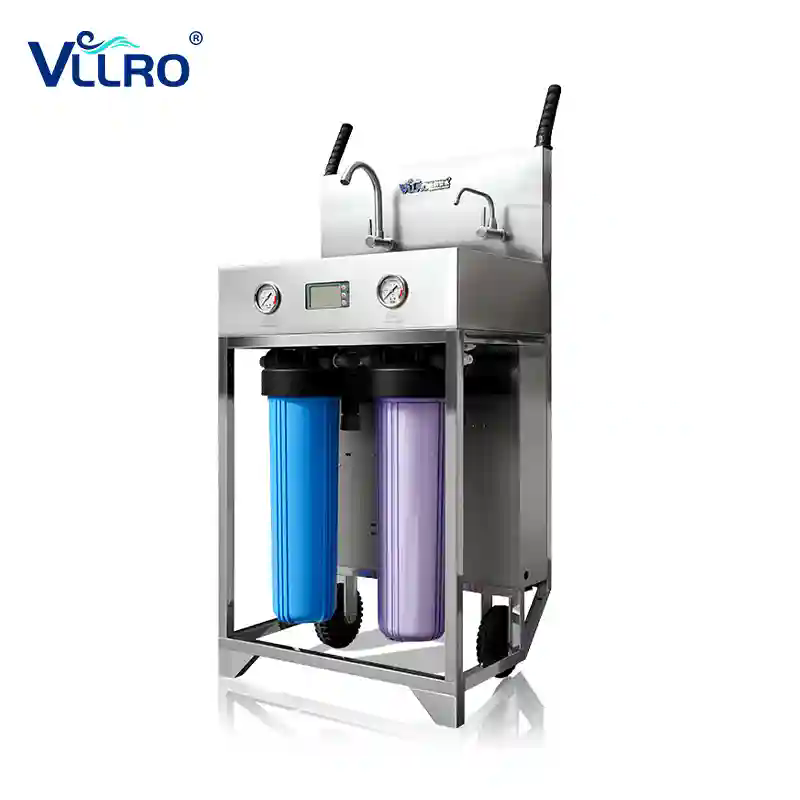
Table of Contents
- 1. How Are Changing Drinking-Water Requirements Reshaping Commercial Purifier Demand?
- 2. What Equipment Features Are Buyers Looking for as Commercial Water Treatment Develops?
- 3. Why Do Different Commercial Applications Require Different Purification Configurations?
- 4. How Can Buyers Evaluate Product Quality, Maintenance and Supplier Capability?
- Conclusion
- Frequently Asked Questions
1. How Are Changing Drinking-Water Requirements Reshaping Commercial Purifier Demand?
The demand for commercial drinking-water equipment is closely connected to how organisations manage shared facilities. In a home, water consumption is usually distributed among a relatively small number of people. In a school, factory, hospital or restaurant, demand can be concentrated into specific periods and may involve dozens, hundreds or even more users. This difference changes the way facility managers assess water treatment. They need to consider not only whether water passes through a filtration process, but also whether the equipment can support the site's operating schedule, user volume and maintenance arrangements.
For this reason, the Commercial Water Purifier market is increasingly influenced by practical operating requirements. Buyers want equipment that can be incorporated into an existing water supply arrangement, operated without unnecessary complexity and maintained according to a clear service plan. Jianyun Zhishui (Qingdao) Industrial Technology Co., Ltd. addresses these concerns through a product range intended for commercial drinking-water applications, with configuration recommendations based on the use environment and expected water consumption.
From basic access to dependable daily supply
Reliable drinking-water access is a daily operational requirement in many commercial buildings. A school needs to consider the drinking habits and schedules of students and staff. A restaurant must account for drinking water used by employees as well as water required for beverage preparation, depending on the selected equipment and its intended application. A factory may need to provide accessible drinking water across workshops or shared areas where employees work different shifts.
These environments create several purchasing priorities:
- Continuity of supply: Buyers need to understand whether the proposed equipment can meet normal daily demand and cope with predictable periods of higher consumption.
- Suitability for source water: Incoming water conditions influence the appropriate treatment arrangement. A system selected without considering source-water quality may not deliver the expected result.
- Ease of operation: Equipment in public or shared areas should be straightforward for authorised personnel to operate and monitor.
- Maintenance planning: Filter replacement, cleaning and flushing requirements should be considered before installation rather than after operating problems occur.
- Material suitability: Water-contact materials and the construction of the equipment deserve attention because they form part of the overall drinking-water supply arrangement.
These considerations also explain why purchasing decisions are becoming more detailed. A low initial purchase price does not necessarily represent the lowest long-term operating cost. If equipment is poorly matched to demand, requires frequent unplanned attention or cannot be maintained conveniently, the facility may face additional costs and operational disruption. Buyers therefore need to compare the complete operating arrangement, not just the equipment's headline price.
How different organisations are influencing market expectations
Demand is not uniform across commercial sectors. Each type of facility places a different emphasis on water supply, installation and user access.
| Application | Typical drinking-water concern | Important selection consideration |
| Schools | Regular access for students and staff, with demand concentrated around breaks and meal periods | Daily consumption, peak usage, operating simplicity and maintenance access |
| Restaurants and coffee shops | Drinking water and, where applicable, water used in beverage preparation | Source-water characteristics, required water quality and expected service demand |
| Factories and workshops | Drinking-water access for employees across working areas and shifts | Installation location, user volume, supply continuity and service arrangements |
| Hospitals | Organised drinking-water provision in shared and staff areas | Application-specific water requirements, maintenance procedures and equipment management |
| Outdoor work sites | Access to treated drinking water where fixed infrastructure may be limited | Portability, available water source, installation conditions and operating requirements |
The table shows why a single equipment configuration should not automatically be treated as suitable for every organisation. A school with predictable peak periods may need a different supply arrangement from a restaurant with continuous beverage preparation. A construction site without a fixed water connection has different installation constraints from a hospital with established building services. Market demand is therefore encouraging more detailed conversations between buyers and manufacturers about the intended use of each system.
Why source-water assessment remains the starting point
Commercial water treatment begins with the water entering the equipment. Municipal water, groundwater and water supplied from other sources can have different characteristics. Even facilities located in the same city may face different conditions because of their local supply network, storage tanks, plumbing materials or source arrangements. Buyers should not assume that a purifier suitable for one site will automatically provide the same treatment result at another.
Before selecting equipment, a facility should identify the available water source and obtain relevant water-quality information. Depending on the application, this may involve reviewing an existing water-quality report or arranging suitable testing. The results help determine which treatment approach is appropriate and whether additional pretreatment or a different purification configuration should be considered. The required finished-water quality must also be defined according to the intended use and applicable local requirements.
Our selection process should begin with these site conditions rather than an assumption that the same filter arrangement works everywhere. Our technical team can use the application scenario and expected consumption as the basis for discussing a suitable configuration. This is especially important where the incoming water quality is poor or where the facility has a particular requirement for purified water. A reverse osmosis configuration may be relevant in such circumstances, but it should be assessed against actual source-water data and the required output rather than selected solely because the technology is widely recognised.
Growing demand for safe drinking water is consequently changing the commercial market in a practical way. Buyers are asking more questions about water sources, treatment objectives, daily consumption and long-term operation. Manufacturers that can explain these factors clearly are better positioned to help customers select equipment that fits the site instead of relying on general claims about filtration performance.
2. What Equipment Features Are Buyers Looking for as Commercial Water Treatment Develops?
As commercial facilities become more attentive to drinking-water management, equipment selection increasingly involves a combination of treatment design, control functions, construction materials and maintenance access. Buyers may initially focus on filtration, but the operating experience depends on more than the filter elements alone. A Commercial Water Purifier must be considered as a complete piece of equipment: the water path, control arrangement, housing, operating procedures and maintenance requirements all contribute to its suitability for a particular site.
Jianyun Zhishui (Qingdao) Industrial Technology Co., Ltd. describes its commercial equipment as using a multi-stage filtration system, intelligent control and automatic flushing of filter elements. These are meaningful design features to discuss with a supplier, but buyers should still request the technical documentation for the specific model. The number and type of filtration stages, measured water-quality parameters and flushing programme are not interchangeable details, and they should not be assumed without model-level confirmation.
Multi-stage filtration and the importance of treatment objectives
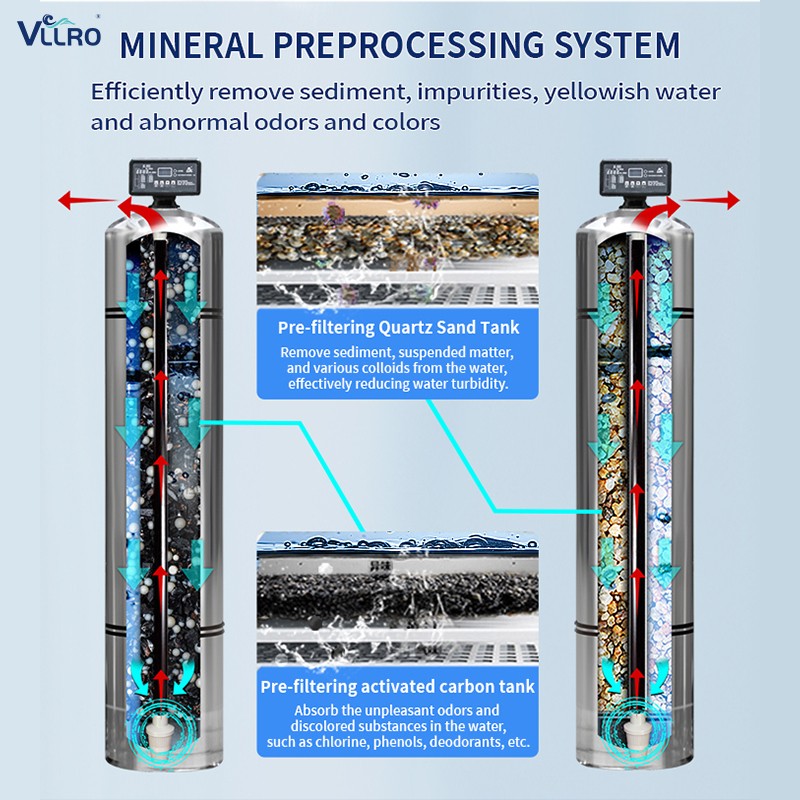
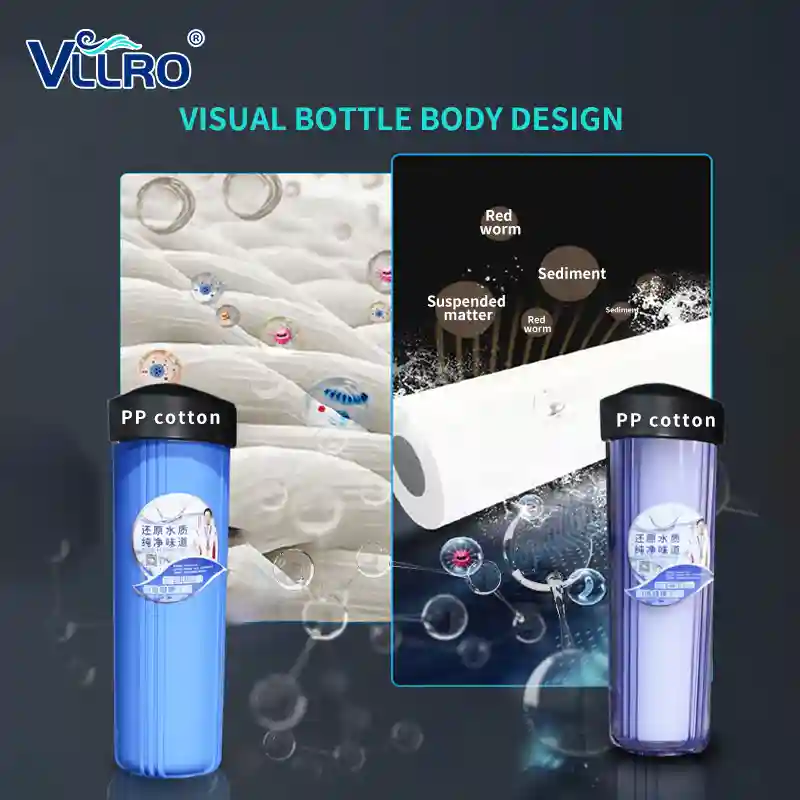
Multi-stage filtration is used to arrange different treatment functions in sequence. Depending on the actual system design, individual stages may be intended to address different characteristics of the incoming water. The purpose of a multi-stage arrangement is not simply to increase the number of filter elements. Each stage should have a defined role within the treatment process, and the complete configuration should be appropriate for the source water and the required finished-water quality.
When evaluating a multi-stage system, procurement teams should request answers to several technical questions:
- How many filtration stages are included in the specific model?
- What is the filter material or treatment function of each stage?
- Which incoming-water characteristics is the system designed to address?
- Is the equipment intended for municipal water, groundwater or another defined source?
- Does the proposed configuration require pretreatment under the site's water conditions?
- What finished-water quality can be demonstrated under the stated operating conditions?
- How are filter elements inspected, replaced and maintained?
These questions help distinguish a clearly specified treatment system from a general product description. For example, a buyer should not infer that a purifier contains reverse osmosis membranes simply because it uses multiple filtration stages. Reverse osmosis is a particular treatment approach and should be confirmed for the selected model. Similarly, the phrase "multi-stage filtration" does not establish a specific contaminant removal rate, filtration precision or water-quality result.
Intelligent control and automatic flushing in everyday operation
Control functions can make commercial equipment easier to manage, particularly when the system is installed in a facility where staff members have other operational responsibilities. The VLLRO product information describes intelligent control that monitors water quality and automatically flushes the filter elements. Automatic flushing is intended to help maintain the filter elements and extend equipment service life. The exact operating logic, monitored parameters and flushing intervals, however, need to be confirmed for the selected model.
For a facility manager, the value of an automatic function should be judged by what it actually does and how it fits the maintenance plan. A buyer should ask whether the control system provides operating status information, what conditions trigger flushing, whether the process requires manual supervision and what maintenance tasks remain necessary. Automatic flushing does not mean that filter elements never need inspection or replacement. It is one part of equipment management, not a substitute for a complete maintenance programme.
Our technical review should therefore distinguish between a stated control feature and the specific functions documented for the model. Our factory's product information identifies automatic flushing as part of the equipment design, while detailed control specifications should be checked against the model documentation. A procurement team should also establish whether the control arrangement is suitable for the installation environment and whether the facility's maintenance staff can understand the operating indicators and service requirements.
Product configurations for different water-supply needs
Commercial water treatment equipment is not a single uniform category. The available product configurations may use different treatment or water-heating arrangements, depending on the intended application. The following comparison separates the configurations described in the product range.
| Product configuration | Described application | Key distinction | What buyers should confirm |
| General commercial purifier | Shared drinking-water supply in schools, restaurants, factories, workshops and other facilities | Multi-stage filtration, intelligent control and automatic filter-element flushing | Stage arrangement, rated output, source-water suitability and control functions |
| Reverse Osmosis Water-Making Machine | Areas with poor source-water quality; purified-water production for applications such as restaurants and coffee shops | Reverse osmosis water-making configuration | Membrane specifications, pretreatment needs, recovery rate, output and feed-water limits |
| Outdoor Portable Water Purifier | Construction sites, outdoor locations and places without a fixed water supply | Portable arrangement for locations with different infrastructure conditions | Water-source requirements, portability, power supply, capacity and installation method |
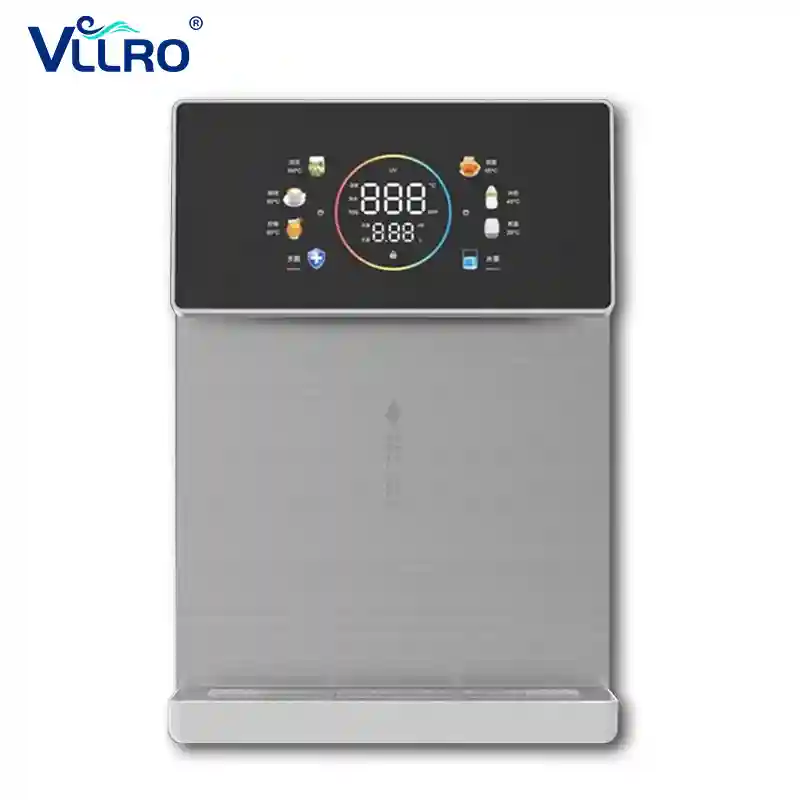
| Commercial Step-by-Step Boiling Water Purifier | Schools, hospitals and other facilities requiring hot drinking water | Layer-by-layer heating to provide fresh boiling water | Heating capacity, water output, temperature control, electrical requirements and safety functions |
This distinction matters because not every model includes every function. A general filtration system should not be described as a reverse osmosis machine unless the selected model has that configuration. Likewise, the boiling-water model has a heating function that should not be attributed to every purifier in the product range. Buyers should identify the required output first, then compare the model that is designed to provide it.
Why materials and manufacturing details matter
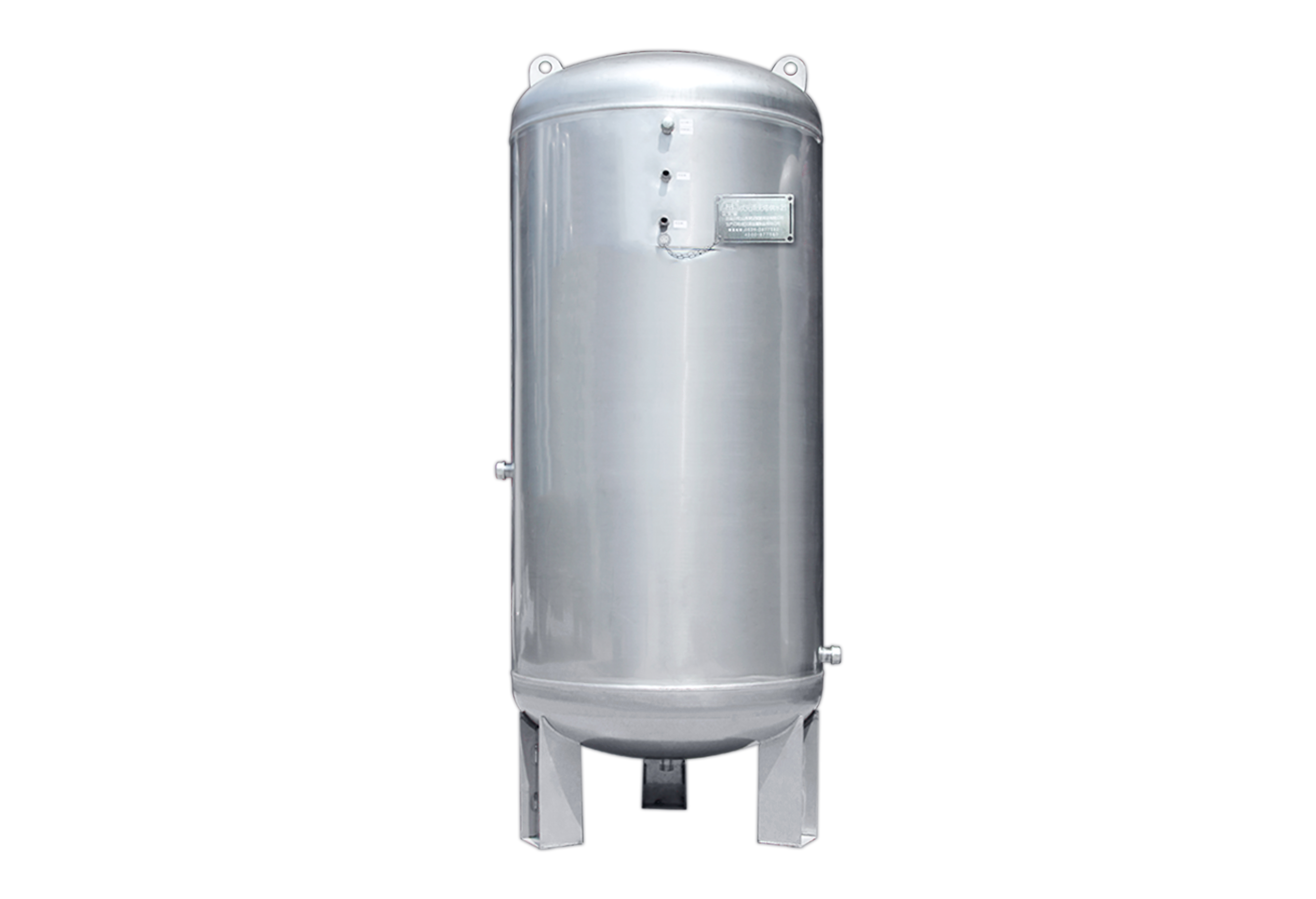
Equipment construction is another important part of the purchasing decision. The product information identifies food-grade stainless steel as a material used in the equipment, with the stated purpose of helping prevent secondary contamination. This is relevant because the housing and water-contact components form part of the overall water path. Buyers should nevertheless confirm the exact stainless-steel grade, the components made from it and any relevant material documentation for the model under consideration.
Filter-element sourcing also deserves attention. The product information states that core filter elements use imported raw materials. That description can be part of a supplier discussion, but it does not identify a particular manufacturer, media type or performance rating. Procurement teams should request the filter-element specifications, replacement references and supporting documentation needed to verify suitability for the intended water source.
Our equipment discussions should connect materials to the actual parts that contact water, not rely on a broad material statement alone. Our factory's manufacturing information covers processes from raw-material handling and welding through assembly and delivery in its own workshop. For a buyer, the useful next step is to ask which inspection procedures apply to the finished unit, how components are checked and what records can be supplied for the purchased model.
Technology development in this market is therefore not simply about adding more electronic functions or more filter stages. The strongest equipment choice is the one whose treatment arrangement, control features, construction materials and service requirements are documented and aligned with the facility's operating conditions.
3. Why Do Different Commercial Applications Require Different Purification Configurations?
Commercial drinking-water equipment must respond to the way a building or work site is used. The number of people served is only one part of the decision. Operating hours, peak demand, available installation space, water source, power supply and whether users need cold, ambient or hot water can all influence the appropriate configuration. A Commercial Water Purifier selected for a school, for example, may not be the right choice for an outdoor construction site or a restaurant producing beverages throughout the day.
Jianyun Zhishui (Qingdao) Industrial Technology Co., Ltd. offers several configurations for different commercial environments. The product range includes general commercial filtration equipment, a reverse osmosis water-making machine, an outdoor portable purifier and a commercial step-by-step boiling water purifier. The purpose of this range is to address different operating needs, not to suggest that one machine performs every function.
Schools: planning around concentrated periods of demand
Schools often experience predictable changes in water consumption during the day. Students may use drinking-water points before classes, during breaks, around lunchtime and after physical activities. Staff members may also use the same facilities. This pattern means that average daily consumption alone may not provide enough information for equipment selection. The facility should consider when water is needed and whether several users are likely to draw water at the same time.
When evaluating a system for a school, the purchasing team should review:
- Population served: Include students, teachers, administrative staff and other regular users.
- Daily operating schedule: Identify school hours, meal periods, extracurricular activities and holiday operation.
- Peak demand: Estimate the amount of water likely to be required during the busiest periods rather than relying only on a daily average.
- Water-point arrangement: Consider where equipment will be installed and how users will access the supply.
- Maintenance responsibility: Assign responsibility for inspection, filter replacement, cleaning and record keeping.
Schools that need hot drinking water may also consider the commercial step-by-step boiling water purifier. Its described heating arrangement warms water layer by layer to provide fresh boiling water. This is a different requirement from ordinary filtered-water production, so the buyer should confirm the model's heating output, electrical requirements, water delivery arrangement and safety functions. A facility that only needs treated drinking water may not require a boiling-water configuration.
Restaurants and coffee shops: matching treatment to the water's intended use
Restaurants and coffee shops can use water for several purposes, including staff drinking water, customer drinking water, tea, coffee and food preparation. These uses may have different water-quality requirements. The equipment should be selected according to the actual use rather than assuming that every point of consumption needs the same treatment arrangement.
Source-water quality is especially relevant in food-service environments. If incoming water has characteristics that make a more intensive purification process necessary, a reverse osmosis water-making machine may be considered. The product range describes this configuration for locations with poor source-water quality and for purified-water production in restaurants and coffee shops. Buyers should still confirm the feed-water limits, pretreatment requirements, output capacity and finished-water specifications for the particular model.
A restaurant's demand profile can also vary considerably. A small coffee shop may have a different consumption pattern from a busy restaurant serving several meal periods. Procurement teams should estimate water use by application, identify the busiest service periods and consider whether the equipment can supply the required volume under the specified operating conditions. It is also useful to check where the machine will be installed, how staff will access it and whether filter replacement can be completed without disrupting service.
Factories and workshops: making drinking water accessible across work areas
Factories may operate multiple shifts, have large workshop areas or include separate production, warehouse and office buildings. Providing drinking water in these environments requires more than identifying the total number of employees. The location of drinking points, the distance between work areas, shift schedules and the availability of water and electrical connections can affect the equipment plan.
For a factory, an effective assessment should cover the following operational details:
- Map the areas where employees need access to drinking water.
- Estimate the number of users at each location and the expected consumption per shift.
- Review whether the facility uses a central water supply or has different incoming-water arrangements across buildings.
- Identify suitable installation areas with access for operation, inspection and maintenance.
- Compare the required daily output and peak demand with the rated capacity of the proposed model.
- Plan filter servicing and equipment downtime so routine maintenance can be managed with minimal disruption.
Our application review should include the actual site layout and shift pattern. Our technical team can use this information to discuss whether one centralised unit or multiple local units are more suitable, subject to the available product configurations and confirmed technical capacity. This kind of assessment is more useful than choosing equipment solely by the number of employees because it takes into account where and when water is consumed.
Hospitals and public facilities: prioritising management and service access
Hospitals and other public facilities have shared spaces used by patients, visitors and employees. Drinking-water equipment may be installed in staff areas, public corridors or designated service spaces. The selection process should define the intended users and the specific purpose of each installation. Drinking-water provision in a public area should not be confused with water required for clinical procedures, laboratory work or other specialised uses. Those applications may be subject to separate technical and regulatory requirements.
For general drinking-water areas, buyers should consider how equipment will be accessed, who is responsible for monitoring it and how maintenance can be performed. The location should allow authorised staff to inspect the equipment and replace consumable components. A supplier should explain the recommended service requirements and provide the relevant model documentation. Where a facility has formal water-management procedures, the proposed equipment should be assessed against those procedures before purchase.
Outdoor and temporary sites: dealing with limited infrastructure
Construction sites and temporary work locations may not have the same fixed water infrastructure as permanent buildings. A portable purifier can be relevant where the site needs a flexible arrangement, but portability alone does not establish that the unit can operate with any available water source. Buyers need to confirm the source-water requirements, power arrangements, installation method and capacity of the specific model.
For outdoor applications, environmental conditions also matter. Dust, rain exposure, temperature variation, transport vibration and uneven installation surfaces may affect where and how the equipment can be used. Procurement teams should request the manufacturer's instructions for transport, placement, protection and operation. If the site has no fixed water supply, the source and delivery method for incoming water must be defined before the equipment is selected.
The main lesson across these sectors is that application requirements should lead the selection process. A school may prioritise predictable peak demand, a coffee shop may need a particular purified-water arrangement, a factory may need coverage across shifts, and a construction site may need portability. When these differences are identified early, buyers can compare suitable configurations and avoid paying for functions that are not needed or selecting equipment that cannot meet the site's actual requirements.
4. How Can Buyers Evaluate Product Quality, Maintenance and Supplier Capability?
Choosing commercial drinking-water equipment is a procurement decision with consequences beyond the installation date. The equipment must remain suitable as the facility operates, filter elements require service and water demand changes. Buyers should therefore evaluate the product, the supplier's technical support and the information available for future maintenance. A Commercial Water Purifier should be purchased against a defined set of requirements, with the model's capabilities documented before an order is confirmed.
Jianyun Zhishui (Qingdao) Industrial Technology Co., Ltd. describes a manufacturing workflow that covers raw materials, welding, assembly and delivery in its own workshop. This provides a useful starting point for supplier evaluation, but procurement teams should request model-specific information and clarify which quality checks are performed. A manufacturing description is not a substitute for inspection records, technical specifications or product test documentation.
A practical checklist for comparing suppliers
When reviewing quotations, buyers should compare more than the product name and purchase price. The following checklist can be used during technical evaluation and supplier discussions.
| Evaluation area | Information to request | Why it matters |
| Model identification | Exact model number, configuration and product drawing | Ensures the quotation and technical documents refer to the same equipment |
| Rated output | Rated production capacity, operating conditions and applicable test basis | Allows comparison with daily and peak water demand |
| Filtration arrangement | Stage count, filter media, treatment functions and replacement references | Shows what the system is designed to treat and how it is maintained |
| Water-quality suitability | Feed-water limits, required pretreatment and finished-water test information | Helps determine whether the equipment is appropriate for the site |
| Control functions | Monitored parameters, display information, flushing logic and operating instructions | Clarifies what intelligent control actually does |
| Construction materials | Water-contact material details and applicable material documentation | Helps verify material suitability and avoid relying on broad descriptions |
| Maintenance | Filter replacement procedure, recommended inspection and service requirements | Supports long-term operating planning |
| Supplier support | Installation guidance, technical response arrangements and spare-part availability | Helps the facility manage equipment throughout its service life |
Understanding the product parameters before ordering
Product specifications should be reviewed at model level. The currently confirmed product information supports the following description, while several numerical values remain to be verified through the technical datasheet for the selected configuration.
| Parameter or feature | Confirmed information | Procurement clarification required |
| Product category | Commercial drinking-water purification equipment | Exact model and intended application |
| Filtration arrangement | Multi-stage filtration system | Number of stages, filter media, filtration precision and treatment functions |
| Control system | Intelligent control is described as monitoring water quality | Specific monitored parameters, display information and alarm functions, if applicable |
| Automatic flushing | Automatic flushing of filter elements is described as a product feature | Flushing trigger, cycle, duration, water consumption and operating conditions |
| Water-contact construction | Food-grade stainless steel is used in the equipment | Exact stainless-steel grade and the components made from this material |
| Filter-element materials | Core filter elements use imported raw materials | Supplier, material type, model reference and replacement availability |
| Manufacturing workflow | In-house workshop workflow covers raw materials, welding, assembly and delivery | Model-specific inspection steps, test records and quality documentation |
| Customisation | Equipment recommendations and in-depth customisation are available according to application scenario and water consumption | Custom design scope, confirmed drawings, technical limits and order requirements |
| Capacity and dimensions | Not specified in the confirmed product information | Rated output, peak output, dimensions, weight and connection details |
| Operating requirements | Not specified in the confirmed product information | Power rating, inlet pressure, temperature range, drainage and installation conditions |
This table is particularly important when several suppliers use similar descriptions. Terms such as multi-stage filtration, intelligent control and food-grade stainless steel can appear in product literature, but buyers need to know exactly how those features are applied to the quoted model. A complete technical submission should identify the equipment configuration and provide measurable specifications where applicable.
How to assess maintenance and total operating cost
Maintenance costs are influenced by the incoming water, equipment design, consumption level and service practices. A filter element may require replacement at different intervals depending on the water passing through it and the manufacturer's specified operating conditions. Buyers should avoid assuming a universal replacement period. Instead, they should request the recommended service schedule and understand which conditions may shorten or extend the interval.
Automatic flushing can help manage the filter elements, but it should be understood as one maintenance function within a wider operating plan. The facility still needs to know how to inspect the equipment, identify abnormal operating conditions and arrange replacement components. A maintenance plan should specify the responsible person, inspection frequency, record-keeping method and procedure for contacting the supplier when technical support is needed.
Our maintenance planning should account for consumable parts and the staff time required to service the equipment. Our procurement review should also consider water use during flushing, where this information is available, because it can contribute to operating costs. The supplier should clarify whether replacement filter elements are standard items, how they are identified and whether compatible parts can be supplied throughout the expected operating period.
Manufacturing capability and customisation: what should be verified?
A supplier's manufacturing capability can affect product consistency, lead-time management and the ability to respond to application-specific requirements. The described VLLRO manufacturing workflow includes raw-material handling, welding, assembly and delivery in its own workshop. Food-grade stainless steel and imported raw materials for core filter elements are also identified as product characteristics. These details are relevant, but buyers should ask how they apply to the exact model being purchased.
Useful supplier questions include:
- Which production and assembly processes are completed in the supplier's own workshop?
- Are material specifications available for the water-contact components?
- What inspection procedures are performed during assembly and before delivery?
- Can the supplier provide a product drawing and a complete model-specific datasheet?
- Can the configuration be adjusted for the site's water source, daily consumption or installation space?
- Which customisation requests can be supported without changing the equipment's verified operating limits?
- Are operation, installation and maintenance instructions supplied with the equipment?
Customisation should be based on engineering requirements, not simply on appearance or a general request for a larger machine. A change in rated output, treatment arrangement or installation dimensions may affect other parts of the system. The final configuration should therefore be documented and confirmed before production or delivery. Buyers should also check whether any requested change affects the replacement filter elements or the service procedures.
Building a procurement decision around evidence
A sound purchasing process can be divided into four stages. First, define the site conditions: source water, user numbers, consumption pattern, installation location and intended use. Second, translate those conditions into technical requirements, including required output, treatment objectives, operating schedule and maintenance access. Third, compare suppliers using model-specific specifications and supporting documents. Finally, confirm the quotation, configuration, delivery scope, installation responsibilities and after-sales arrangements in writing.
For VLLOR, the opportunity to recommend equipment according to the application scenario and water consumption is relevant to buyers who need more than a standard catalogue choice. Our technical discussion should establish the water source, expected demand and installation conditions before a model is recommended. Our factory can then clarify the manufacturing and configuration details applicable to the proposed equipment, while the buyer verifies the final specification and acceptance requirements before placing an order.
The market is moving towards more informed procurement because commercial users increasingly recognise that drinking-water equipment must fit a real operating environment. Buyers who request clear specifications, verify material and treatment details, and plan maintenance before installation are more likely to select a system that can be managed effectively over time.
Conclusion
The commercial water purification market is responding to growing demand for safe drinking water through more application-focused equipment, practical control functions, clearly defined filtration arrangements and greater attention to long-term maintenance. Schools, restaurants, factories, hospitals and outdoor work sites do not share identical requirements, so equipment selection should begin with source-water conditions, daily consumption, peak demand and installation constraints. Jianyun Zhishui (Qingdao) Industrial Technology Co., Ltd. provides commercial purification configurations that include multi-stage filtration, intelligent control, automatic filter-element flushing, food-grade stainless-steel construction and options for different application scenarios. If you are planning a new drinking-water installation or reviewing an existing system, contact the company with your water-source information, estimated consumption and site requirements to discuss a suitable configuration and request the technical specifications for the relevant model.
Frequently Asked Questions
1. What factors should a business consider before purchasing commercial drinking-water purification equipment?
A business should assess its incoming water source, available water-quality information, daily consumption, peak demand, intended use, installation space, power and drainage conditions, maintenance access and required finished-water quality. It should then compare these requirements with the exact model's rated output, filtration arrangement, operating limits and service instructions. A supplier should provide a model-specific datasheet and clarify any pretreatment requirements before the equipment is ordered.
2. Does a multi-stage commercial water purifier automatically use reverse osmosis technology?
No. Multi-stage filtration describes an arrangement in which water passes through more than one treatment stage, but it does not by itself confirm that the system includes a reverse osmosis membrane. Reverse osmosis is a specific purification process and must be listed in the technical configuration of the selected model. Buyers should check the filter-stage description, membrane specifications where applicable, feed-water requirements and finished-water performance rather than infer the technology from the phrase multi-stage filtration.
3. How does automatic filter-element flushing help with commercial water purifier maintenance?
Automatic flushing is designed to flush filter elements under the equipment's specified operating conditions and can help manage the accumulation of material during use. Its actual effect depends on the system design, filter type and flushing programme. It does not eliminate the need for routine inspection or filter replacement. Before purchase, users should confirm what triggers flushing, how often it occurs, how much water it uses and which maintenance tasks must still be performed manually.
4. Which commercial water purifier configuration is suitable for schools, restaurants and outdoor construction sites?
The suitable configuration depends on the site's water source, consumption pattern and required water output. Schools may need equipment planned around concentrated break-time demand, while restaurants and coffee shops may consider a reverse osmosis water-making machine when source-water conditions and the intended use justify that treatment approach. Outdoor construction sites may need a portable purifier where fixed water infrastructure is limited. The supplier should review the actual site conditions and confirm the selected model's capacity, operating requirements and water-source suitability.
5. What technical documents should buyers request from a commercial water purifier manufacturer?
Buyers should request the exact model number, product datasheet, filtration-stage description, rated output and operating conditions, feed-water requirements, water-contact material details, electrical and installation information, maintenance instructions and replacement filter references. Where relevant, they should also request water-quality test information, inspection records and material documentation. These documents help verify that the quoted equipment matches the site's requirements and provide a reference for installation, operation, maintenance and future procurement.
Related News
- How Can Pure Water System Design Address Fluctuating Industrial Water Demand?
- Why Should Raw Water Analysis Come Before Pure Water System Equipment Selection?
- What Are the Main Stages of an Industrial Water Purification Process?
- How to Reduce Wastewater in Commercial RO Systems Without Sacrificing Membrane Life
- How to Calculate ROI for a Commercial Water Refilling Station
- How to Design a Borehole Water Pretreatment System for Remote Commercial RO Stations
Leave me a message



News Recommendations