English
- English
- Español
- Português
- русский
- Français
- 日本語
- Deutsch
- tiếng Việt
- Italiano
- Nederlands
- ภาษาไทย
- Polski
- 한국어
- Svenska
- magyar
- Malay
- বাংলা ভাষার
- Dansk
- Suomi
- हिन्दी
- Pilipino
- Türkçe
- Gaeilge
- العربية
- Indonesia
- Norsk
- تمل
- český
- ελληνικά
- український
- Javanese
- فارسی
- தமிழ்
- తెలుగు
- नेपाली
- Burmese
- български
- ລາວ
- Latine
- Қазақша
- Euskal
- Azərbaycan
- Slovenský jazyk
- Македонски
- Lietuvos
- Eesti Keel
- Română
- Slovenski
- मराठी
- Srpski језик

What Makes Water Purifiers a Must-Have Choice for Cleaner and Safer Drinking Water?
Table of Contents
-
What Drives the Growing Demand for Water Purifiers Today?
-
Why Are Household Water Purifiers Becoming a Core Part of Daily Life?
-
How Do Commercial Water Purifiers Deliver High-Volume, High-Safety Water Treatment?
-
What Future Trends Will Shape Water Purification and Why VLLRO Matters?
What Drives the Growing Demand for Water Purifiers Today?
Clean drinking water is one of the most discussed topics across global household and commercial environments. As water contamination, aging pipelines, and environmental pollutants continue to rise, the demand for efficient water purification systems has become stronger than ever. Understanding what makes water purifiers necessary, why they outperform traditional boiling or bottled alternatives, and how they ensure consistent water safety is essential for both consumers and businesses.

What makes water purifiers essential in modern water safety?
Water sources worldwide face challenges such as heavy metals, microorganisms, chlorine by-products, sediment, and chemical residues. Traditional boiling cannot remove all contaminants, and bottled water is costly and environmentally burdensome. Water purifiers are designed to solve these issues through advanced filtration technologies such as:
-
Reverse Osmosis (RO)
-
Ultra-Filtration (UF)
-
Activated Carbon Filtration
-
UV Sterilization
-
Multi-stage composite filtration
Each technology targets a specific range of contaminants, ensuring water that is clean, safe, and better tasting.
Why are consumers shifting to long-term purifier solutions?
Consumers increasingly prioritize:
-
Health safety and contaminant removal
-
Cost savings compared with bottled water
-
Convenience of on-demand purified water
-
Reduction of plastic waste
-
Ability to tailor filtration systems to water quality
As a result, water purifiers have become a multi-purpose necessity across kitchens, offices, restaurants, healthcare institutions, and industrial spaces.
How do water purifiers improve water taste and usability?
Taste is influenced by chlorine, dissolved solids, and organic residues. Multi-stage purifiers eliminate these unwanted elements, resulting in:
-
Cleaner taste and odor
-
Better water for tea, coffee, and cooking
-
More consistent mineral balance
-
Reduced limescale buildup in appliances
These benefits explain why water purifiers have gained strong global adoption across residential and commercial environments.
Why Are Household Water Purifiers Becoming a Core Part of Daily Life?
Household water purifiers are designed for family use, providing safe, filtered drinking water directly from the tap or countertop. Understanding what defines a household water purifier, why families prefer them, and how their technologies differ is key to choosing the right solution.

What is a Household Water Purifier?
A household water purifier is a compact system built to meet everyday home water consumption needs. These systems commonly integrate:
-
Multi-stage composite filters
-
Carbon filters for taste and odor removal
-
RO or UF membranes depending on water hardness
-
Under-sink or countertop configurations
-
Water storage tanks for stable supply
-
Smart reminder systems for filter changes
Why do households increasingly rely on them?
Families choose household water purifiers because they offer:
-
Health protection: removal of bacteria, heavy metals, and sediment
-
Better taste: elimination of chlorine and organic residues
-
Convenience: continuous access to drinking water
-
Cost-effectiveness: long-term savings
-
Space efficiency: compact, modern designs
How do they work in everyday scenarios?
Household water purifiers improve daily routines including cooking, washing produce, beverage preparation, and direct drinking. The resulting water is consistently clean and more enjoyable, contributing to healthier lifestyles.
Household Water Purifier – Product Parameters
| Item | Specification |
|---|---|
| Filtration Stages | 5-stage or 7-stage composite system |
| Filtration Technology | RO / UF / Activated Carbon |
| Flow Rate | 1.2–2.0 L/min |
| Pure Water Capacity | 50–75 GPD |
| Working Pressure | 0.1–0.4 MPa |
| Tank Capacity | 3–5 gallons |
| Power Supply | 220V / 110V |
| Installation Type | Under-sink / Countertop |
| Material | Food-grade ABS + Stainless Steel |
| Expected Filter Lifespan | 6–12 months depending on water quality |
These parameters help consumers evaluate performance accuracy, water volume, and maintenance expectations before selecting a household model.
How Do Commercial Water Purifiers Deliver High-Volume, High-Safety Water Treatment?
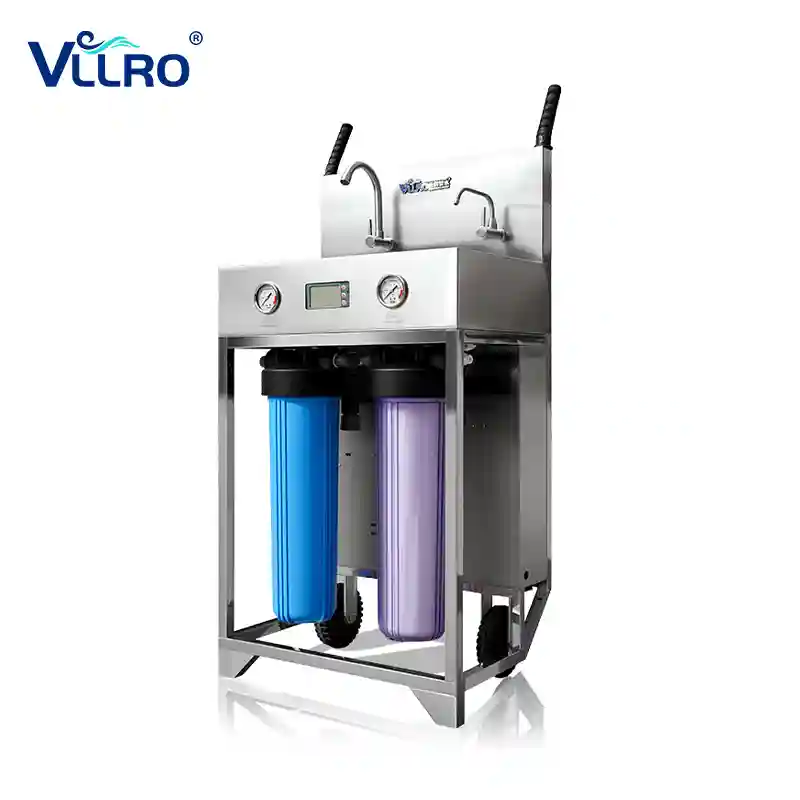
Commercial water purifiers are engineered for environments requiring continuous, large-scale purified water supply, such as restaurants, factories, schools, hospitals, hotels, and laboratories. Understanding what they offer, why businesses prioritize them, and how they sustain high output is essential.

What defines a Commercial Water Purifier?
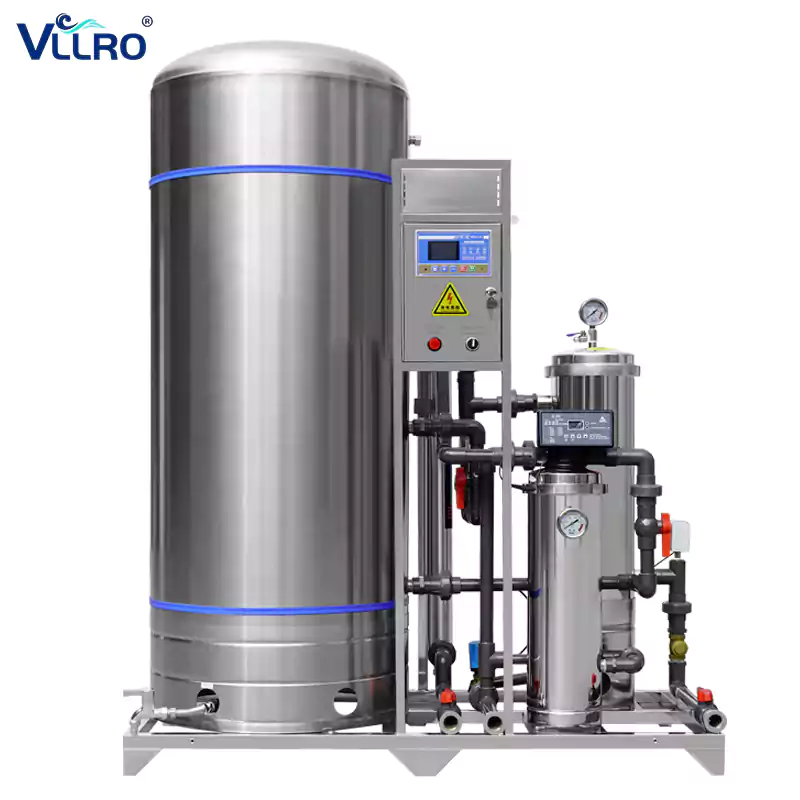
A commercial water purifier is a heavy-duty water treatment unit designed for high throughput. These systems include:
-
Large-capacity RO membranes
-
Multi-layer sediment filtration
-
High-pressure pumps
-
Automatic flushing technology
-
Stainless steel housing for durability
-
Optional mineralization or UV sterilization
They are built to maintain stable operation under continuous load.
Why do businesses depend on them?
Commercial environments demand:
-
Continuous purified water supply
-
High flow rate efficiency
-
Consistent water quality standards
-
System durability under long hours of operation
-
Cost reduction through long-term purification
-
Support for food service, production, and public use
How do commercial systems maintain quality at high volume?
These systems operate with:
-
Advanced pressure control for stable flow
-
High-precision RO membranes for contaminant removal
-
Automatic alarms for maintenance
-
Multi-mode flushing to extend membrane life
-
Reinforced design for heavy usage
This ensures quality water output even under demanding circumstances.
Commercial Water Purifier – Product Parameters
| Item | Specification |
|---|---|
| Filtration Stages | 5-stage to 12-stage filtration |
| Technology | RO / UV / Activated Carbon |
| Flow Capacity | 250–2000 GPD |
| Output Pressure | 0.4–0.8 MPa |
| Pump Type | High-pressure booster pump |
| Housing Material | 304 Stainless Steel |
| Voltage | 220V / 380V |
| Working Mode | Continuous operation |
| Suitable Applications | Restaurants, hospitals, hotels, factories |
| Membrane Lifespan | 1–2 years depending on usage |
These specifications help commercial buyers understand structural durability, output capacity, and performance consistency.
What Future Trends Will Shape Water Purification and Why VLLRO Matters?
The water purification industry continues evolving due to advancements in membrane technology, eco-friendly design, and smart digital management. Understanding what is changing, why the market is shifting, and how future innovations will support global water demands is crucial.
What are the leading future trends?
Key trends include:
-
Smart filtration management: systems that track filter life and water quality
-
Energy-efficient purification: lower-pressure RO membranes
-
Eco-friendly materials: recyclable filters and reduced plastic waste
-
High-capacity membranes: better TDS rejection with longer lifespan
-
Localized filtration solutions: customized systems for regional water conditions
Why is long-term sustainability becoming important?
Government regulations, environmental concerns, and consumer awareness have increased the focus on:
-
Reducing plastic waste
-
Conserving water in purification processes
-
Using materials with longer service life
-
Lowering carbon footprint through efficient designs
These motivations drive manufacturers and suppliers to develop better, more durable, and more sustainable systems.
How should buyers choose the right purifier in the future?
Users should evaluate:
-
Water source quality
-
Required daily water output
-
Filtration consistency
-
Maintenance costs
-
System durability and material quality
-
Brand reliability and technical support
This ensures better long-term performance and user experience.
Frequently Asked Questions (FAQ)
Q1: What contaminants can a water purifier remove?
A1: A high-quality purifier removes sediment, chlorine, bacteria, viruses, heavy metals, volatile organic compounds, and dissolved solids. Multi-stage filtration allows each layer to target different contaminants, ensuring cleaner and safer water for drinking and cooking.
Q2: How often should filters be replaced?
A2: Most systems require filter replacement every 6–12 months depending on water quality, usage level, and purification technology. RO membranes typically last 1–2 years. Timely filter replacement ensures better taste and consistent purification accuracy.
Q3: What size water purifier is suitable for home use?
A3: A 50–75 GPD purifier is ideal for families, providing enough purified water for daily drinking, cooking, and beverage preparation. Larger homes or those with high consumption may prefer 100 GPD models for added convenience.
Conclusion: Why VLLRO Is a Trusted Partner in Water Purification & Contact Us
Water purification systems continue to grow in importance as families and businesses prioritize clean, safe, and great-tasting water. Understanding what defines a purifier, why it matters, and how different systems function helps users make reliable decisions for long-term health and operational benefits. Whether selecting a household system for family use or a commercial model for high-volume environments, consumers increasingly choose brands that deliver durability, efficiency, and well-engineered purification performance.
VLLRO provides solutions built around quality materials, advanced membrane technology, and long-term reliability. With a wide range of household and commercial models, VLLRO meets diverse water quality requirements while maintaining excellent purification standards.
For product details, quotations, or technical consultation, contact us to receive professional guidance and tailored solutions for your water purification needs.
Related News
- How Does the 304 Stainless Steel Water Supply Purifier Machine Deliver Zero‑Waste Safe Drinking Water for Rural Homes?
- How Does a Containerized RO Plant Deliver Turnkey Pure Water Anywhere in the World?
- How Does a Reverse Osmosis Water Treatment System Deliver Consistent Pure Water for Commercial and Industrial Applications?
- How Does an Industrial Reverse Osmosis Water Purifier Deliver Reliable High‑Purity Water for Manufacturing and Processing?
- Why Is a Softening Water Filter the Smart Choice for Scale‑Free Water and Extended Appliance Life?
- How Does a Reverse Osmosis Water-Making Machine Deliver Safe, Pure Drinking Water for Communities and Businesses?
Leave me a message