English
- English
- Español
- Português
- русский
- Français
- 日本語
- Deutsch
- tiếng Việt
- Italiano
- Nederlands
- ภาษาไทย
- Polski
- 한국어
- Svenska
- magyar
- Malay
- বাংলা ভাষার
- Dansk
- Suomi
- हिन्दी
- Pilipino
- Türkçe
- Gaeilge
- العربية
- Indonesia
- Norsk
- تمل
- český
- ελληνικά
- український
- Javanese
- فارسی
- தமிழ்
- తెలుగు
- नेपाली
- Burmese
- български
- ລາວ
- Latine
- Қазақша
- Euskal
- Azərbaycan
- Slovenský jazyk
- Македонски
- Lietuvos
- Eesti Keel
- Română
- Slovenski
- मराठी
- Srpski језик

How Can Industrial and Commercial Water Treatment Systems Solve the Dual Challenges of Pressure Stability and Water Quality?
In water treatment systems for modern factories, commercial buildings, and high-end large-scale residences, "unstable water pressure" and "secondary contamination during storage" have long been critical pain points for the industry.
To maintain water pressure, traditional water supply systems typically rely on pressure tanks equipped with internal rubber bladders or diaphragms. However, under conditions of frequent cycling and high pressure, these rubber components are prone to aging and rupture; they also carry the risk of leaching trace substances that can contaminate the purified water. To address this challenge, the water treatment industry has recently been driving a technological evolution in water storage systems.
I. "Eliminating the Bladder": A Key Path to Extending Equipment Lifespan
Current industry trends indicate that "bladder-free air pressurization technology" is rapidly becoming the standard for next-generation, high-end water storage systems.
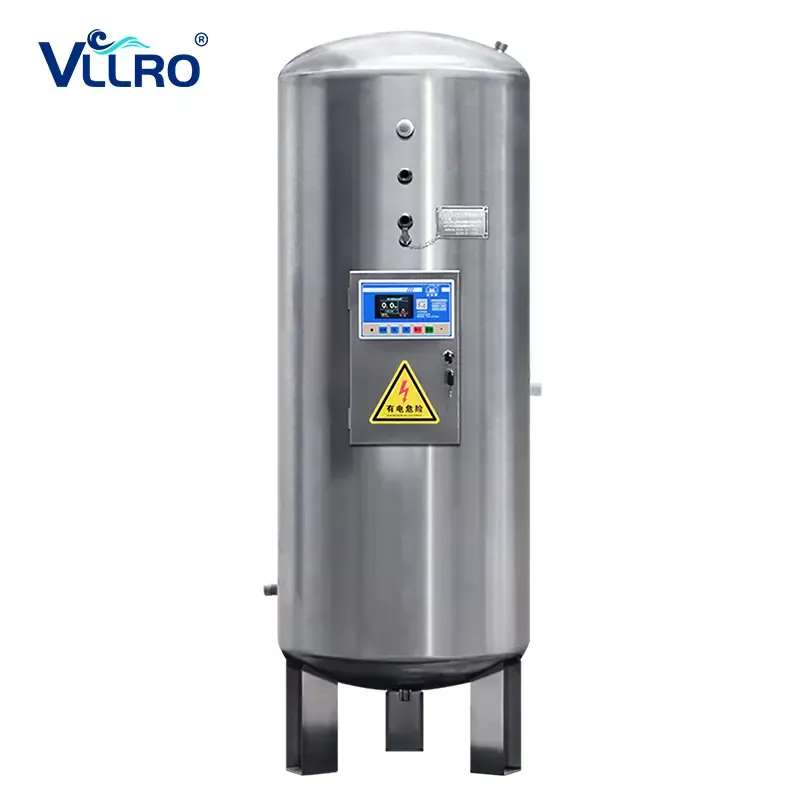
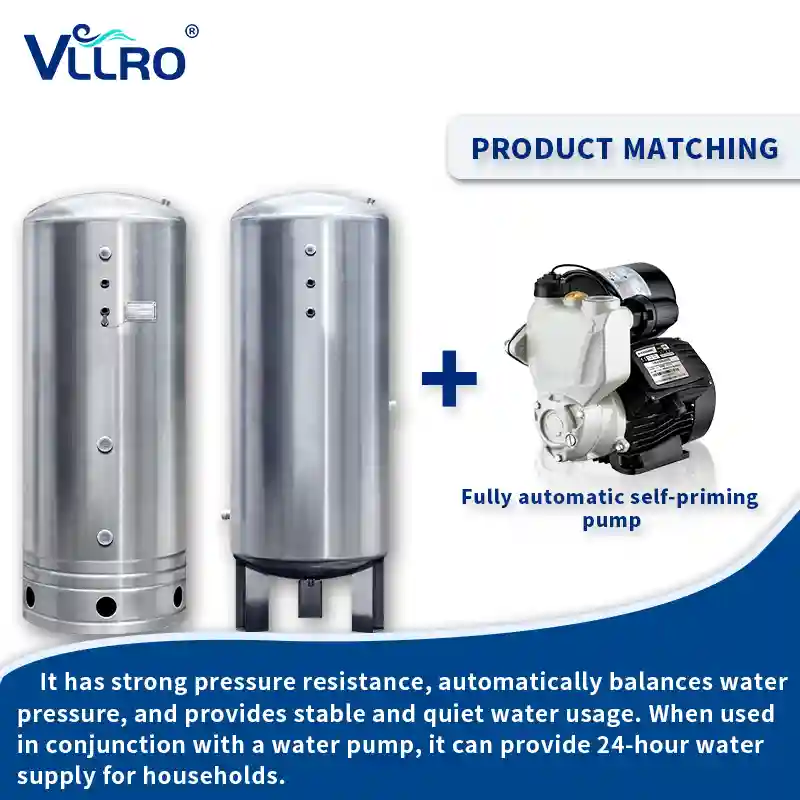
The core of this technology lies in the removal of traditional, vulnerable internal components (such as diaphragms or bladders), allowing the purified water inside the Water Purification System Pure Water Tank to come into direct contact only with air and high-grade stainless steel. Through a precision air-pressure self-balancing mechanism, the system automatically regulates and stabilizes water pressure.
Reduced Maintenance Costs: By eliminating vulnerable components, the physical lifespan of the equipment is significantly extended, effectively solving the problem of frequent maintenance associated with traditional pressure tanks.
Guaranteed Water Quality: Since the purified water no longer contacts rubber materials, secondary contamination caused by component aging is prevented at the source. This makes the technology highly desirable for industries with stringent water quality requirements, such as pharmaceuticals and food processing.
II. Upgrading Materials and Manufacturing: The Trend Toward "Integrated" Food-Grade Stainless Steel
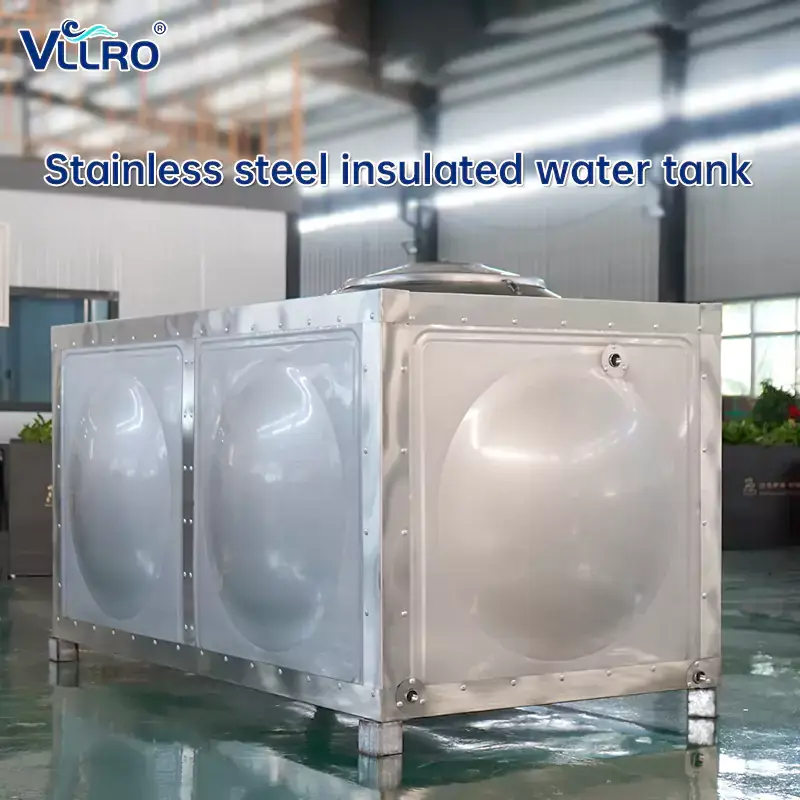
Beyond changes to internal structures, there have been significant upgrades in casing materials and manufacturing processes. Assembled tanks with thin walls are rapidly being replaced by tanks manufactured using integrated molding processes with thicker, food-grade 304 or 316 stainless steel.
In industrial applications, water treatment systems often operate in conjunction with pumps to ensure a continuous, 24-hour water supply. This places rigorous demands on the storage tank regarding pressure resistance, explosion safety, and sealing performance. Current industry best practices involve using seamless welding combined with rigorous leak testing to ensure the tank withstands high pressure, thereby guaranteeing a stable water supply while achieving ultra-quiet operation.
III. Market Observations: Accelerating Customization and Internationalization
As application scenarios diversify, market demands regarding the specifications and parameters of water storage equipment have become increasingly exacting. Ranging from standard commercial-grade capacities (260L, 380L) to industrial-grade units (450L, 550L or larger), enterprises have specific requirements for the layout of inlet/outlet ports (e.g., DN25/PPR32) and drainage outlets. Consequently, the ability to provide deep customization—spanning everything from materials to capacity—has become a key benchmark for assessing a manufacturer's overall capabilities.
VLLRO is a professional water treatment solution provider with over 15 years of industry experience. Our factory adheres to stringent standards in the production of high-quality Water Purification System Pure Water Tank. To date, we have supplied over 100 sets of storage tank equipment to our clients. These units operate continuously, ensuring a stable supply of process water for the plant, fully demonstrating the practical value of next-generation stainless steel pressure-stabilizing storage systems in high-end industrial manufacturing.
Conclusion
Whether in industrial manufacturing—where the goal is cost reduction and efficiency—or in commercial and residential settings that prioritize quality of life, water treatment systems are evolving toward greater intelligence, durability, and safety. The combination of air-pressurization technology (eliminating the need for bladders) and integrated stainless steel fabrication represents not only a structural innovation in water storage equipment but also a fresh approach to delivering high-quality water supplies across the purification industry. VLLRO continues to grow steadily within this sector.
Related News
- How to Reduce Wastewater in Commercial RO Systems Without Sacrificing Membrane Life
- How to Calculate ROI for a Commercial Water Refilling Station
- How to Design a Borehole Water Pretreatment System for Remote Commercial RO Stations
- The "Brain" Behind the System: How VLLRO's Intelligent IoT Control Platform Revolutionizes Water Management
- The Invisible Shield: Why UV Sterilization is Non-Negotiable for Safe Drinking Water
- Maximizing RO Longevity: The Complete Guide to Water Filtration Consumables and Replacement Cycles
Leave me a message