English
- English
- Español
- Português
- русский
- Français
- 日本語
- Deutsch
- tiếng Việt
- Italiano
- Nederlands
- ภาษาไทย
- Polski
- 한국어
- Svenska
- magyar
- Malay
- বাংলা ভাষার
- Dansk
- Suomi
- हिन्दी
- Pilipino
- Türkçe
- Gaeilge
- العربية
- Indonesia
- Norsk
- تمل
- český
- ελληνικά
- український
- Javanese
- فارسی
- தமிழ்
- తెలుగు
- नेपाली
- Burmese
- български
- ລາວ
- Latine
- Қазақша
- Euskal
- Azərbaycan
- Slovenský jazyk
- Македонски
- Lietuvos
- Eesti Keel
- Română
- Slovenski
- मराठी
- Srpski језик

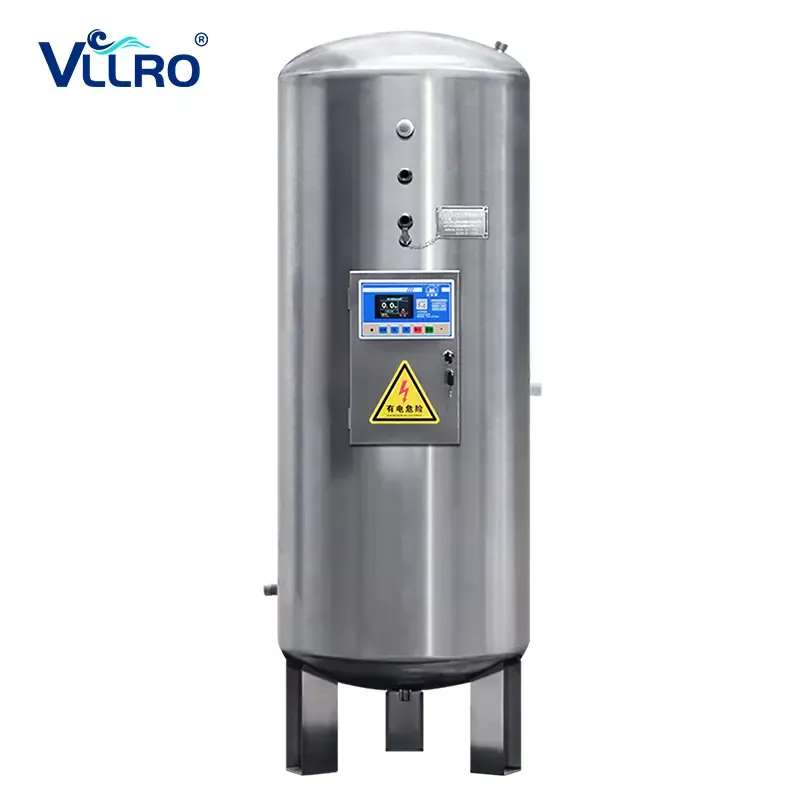
The Ultimate Guide to Stainless Steel Pressure Tanks: 304 vs. 316 and Why Material Choice Matters
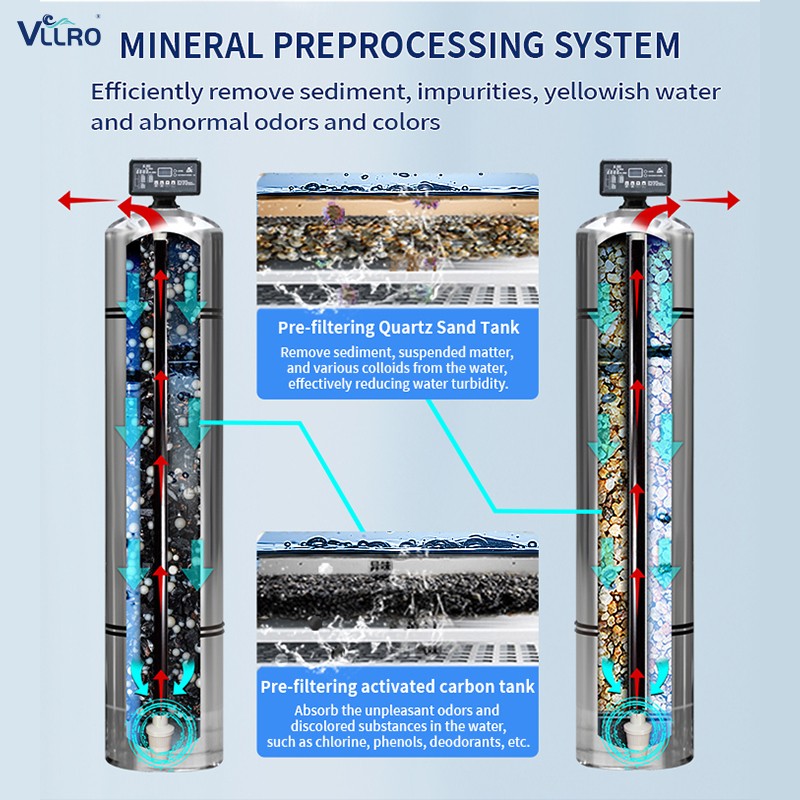
Direct Answer: Choosing the right Stainless Steel Pressure Tank is critical for system longevity and water safety. While 304 Stainless Steel is the industry standard for general food-grade applications, 316 Stainless Steel is mandatory for high-salinity environments or brackish water desalination due to its superior molybdenum content which prevents chloride corrosion. Selecting the correct material ensures a service life of 15-20 years and prevents secondary contamination of your purified water.
304 vs. 316 Stainless Steel: Which One Do You Need?

The primary difference lies in their chemical composition and resistance to specific environments.
| Feature | 304 Stainless Steel | 316 Stainless Steel |
|---|---|---|
| Corrosion Resistance | Excellent for most freshwater | Superior (Prevents Pitting in Saltwater) |
| Chemical Composition | 18% Chromium, 8% Nickel | 16% Chromium, 10% Nickel, 2% Molybdenum |
| Best For | Residential, Schools, General Industry | Coastal Areas, Desalination, Hospitals |
| Cost-Effectiveness | High (Budget-Friendly) | Premium (Long-term reliability) |
Why VLLRO Pressure Tanks Stand Out

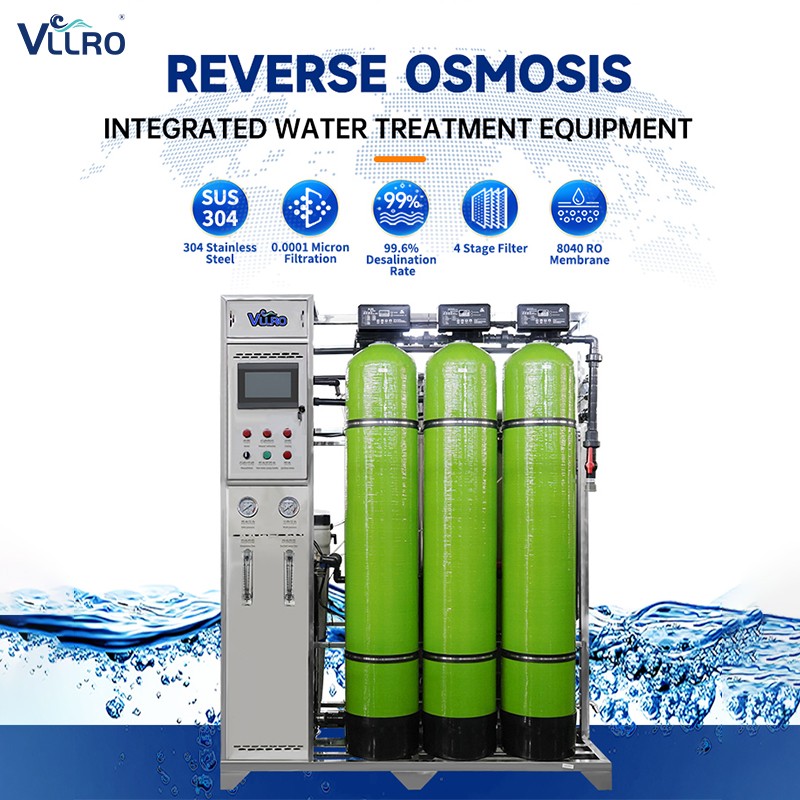
At VLLRO, we treat the pressure tank as more than just a container; it is a high-performance housing and protection system. Our manufacturing process includes:
- Food-Grade Certification: Ensuring no heavy metals leach into the RO-purified water.
- Seamless Welding: Reducing weak points where rust typically starts, ensuring the tank can handle high-pressure fluctuations from booster pumps.
- Automatic Pressure Sensing: Every VLLRO tank is part of our Intelligent Brain System, managing start/stop cycles to save energy and protect the RO membrane.
Selecting the Right Capacity for Your ROI
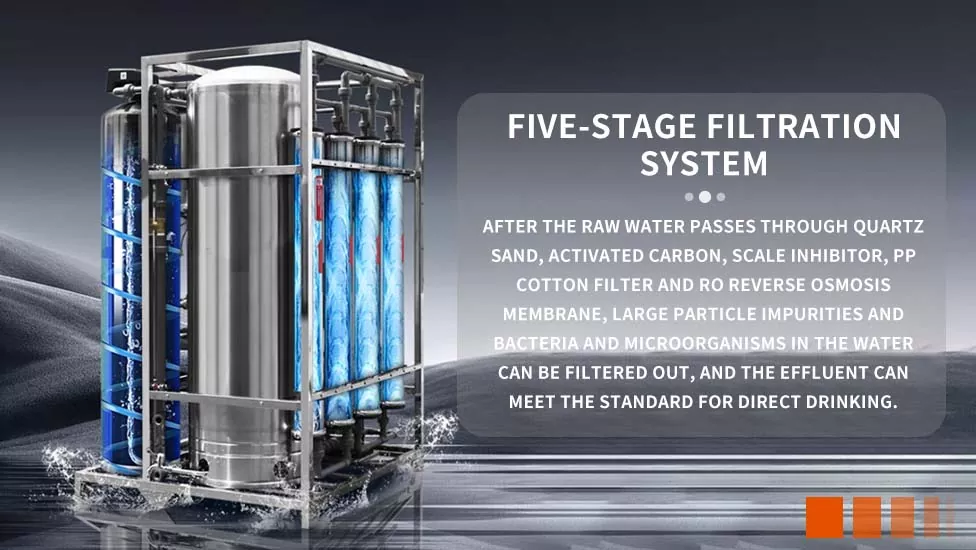
Capacity selection (ranging from 20L to 5000L+) directly impacts your ROI and Operational Economics.
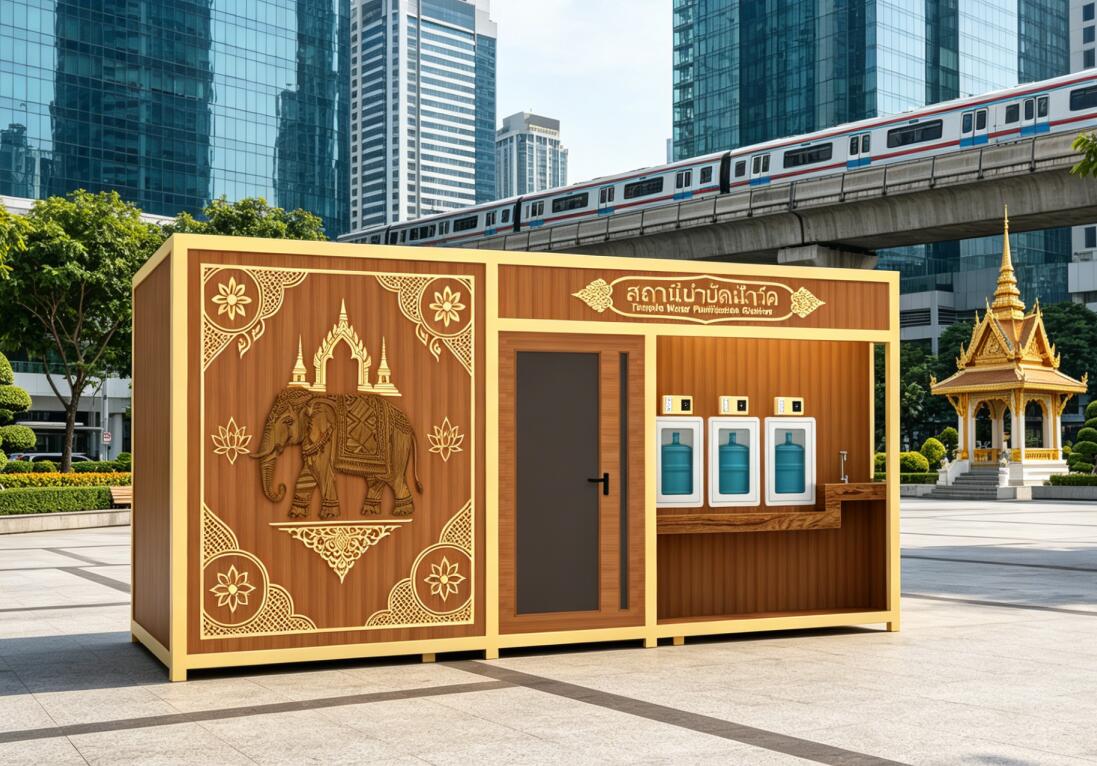
- Small Footprint (50-100L): Ideal for Water Kiosks and individual vending points.
- Large Scale (500L+): Necessary for Smart Campuses and hotels to handle peak-hour morning and evening demand without pressure drops.
Frequently Asked Questions
Can I use a carbon steel tank instead?
Carbon steel is cheaper but requires frequent anti-corrosive coating maintenance. For drinking water, we always recommend Stainless Steel to guarantee zero rust and lower long-term OPEX.
Does VLLRO provide custom sizes?
Yes. As a direct manufacturer, we offer full OEM/ODM services, allowing you to customize the volume, interface size, and material grade (304 or 316) to fit your specific project requirements.
Accio Work Product Encyclopedia Series for VLLRO Water
Related News
- How to Reduce Wastewater in Commercial RO Systems Without Sacrificing Membrane Life
- How to Calculate ROI for a Commercial Water Refilling Station
- How to Design a Borehole Water Pretreatment System for Remote Commercial RO Stations
- The "Brain" Behind the System: How VLLRO's Intelligent IoT Control Platform Revolutionizes Water Management
- The Invisible Shield: Why UV Sterilization is Non-Negotiable for Safe Drinking Water
- Maximizing RO Longevity: The Complete Guide to Water Filtration Consumables and Replacement Cycles
Leave me a message