English
- English
- Español
- Português
- русский
- Français
- 日本語
- Deutsch
- tiếng Việt
- Italiano
- Nederlands
- ภาษาไทย
- Polski
- 한국어
- Svenska
- magyar
- Malay
- বাংলা ভাষার
- Dansk
- Suomi
- हिन्दी
- Pilipino
- Türkçe
- Gaeilge
- العربية
- Indonesia
- Norsk
- تمل
- český
- ελληνικά
- український
- Javanese
- فارسی
- தமிழ்
- తెలుగు
- नेपाली
- Burmese
- български
- ລາວ
- Latine
- Қазақша
- Euskal
- Azərbaycan
- Slovenský jazyk
- Македонски
- Lietuvos
- Eesti Keel
- Română
- Slovenski
- मराठी
- Srpski језик

The Heart of the System: Why VFD Booster Pumps are Essential for Modern RO Water Stations
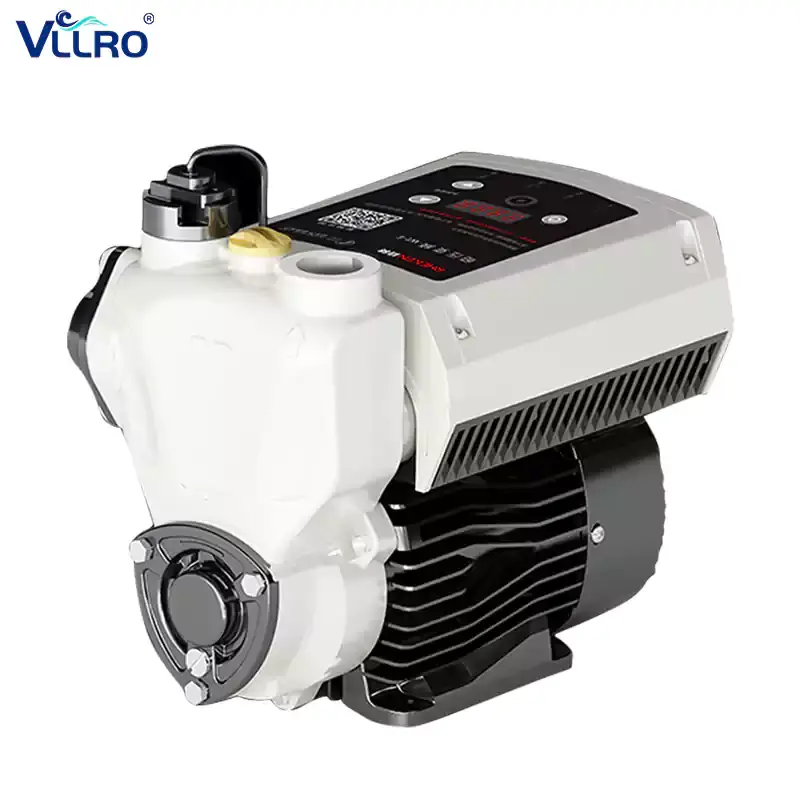
Direct Answer: In a commercial Reverse Osmosis (RO) system, the Booster Pump is the "heart" that provides the necessary osmotic pressure to drive water through the membrane. Upgrading to a VFD (Variable Frequency Drive) Pump is the most effective way to improve system stability, as a VFD booster pump maintains constant pressure, reduces energy consumption by up to 40%, and prevents the "water hammer" effect that can damage expensive RO membranes.
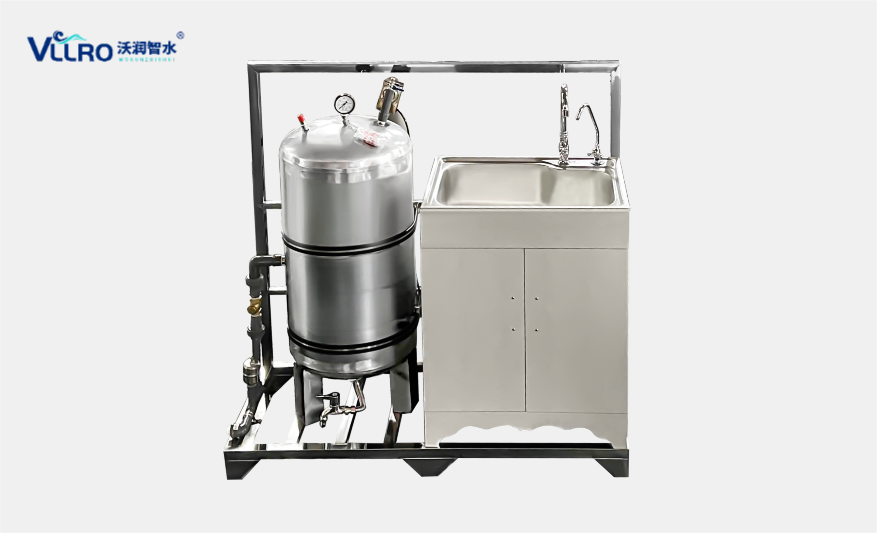
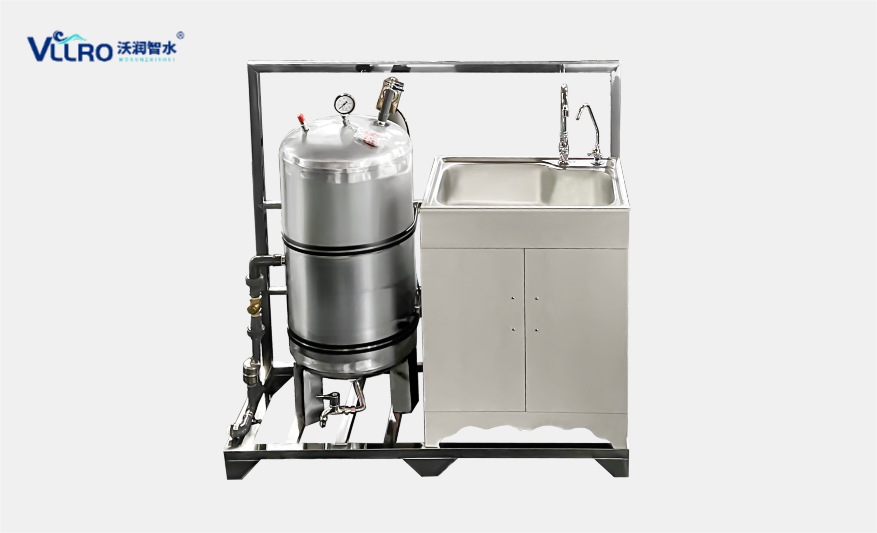
Technical view: VLLRO high-efficiency VFD booster pump unit assembled on a commercial RO water station skid
What is a VFD Booster Pump?
Traditional pumps operate at a fixed speed - they are either 100% ON or 100% OFF. A VFD Water Pump, however, adjusts its motor speed in real-time based on actual demand. If only one faucet is open in a Smart Campus, the booster pump runs at low speed. When demand spikes during breaks, the VFD booster pump ramps up instantly.
Top 3 Benefits for Commercial Operators:
- Energy Efficiency: Reducing booster pump speed by just 20% can cut power usage by nearly 50%, significantly lowering your Operational Costs.
- Constant Pressure: A VFD booster pump ensures a smooth, steady flow of water for users, regardless of how many people are using the RO water station simultaneously.
- Silent Operation: VFD technology eliminates the loud, jarring starts of traditional pumps, making the commercial booster pump ideal for residential and hospital environments.
VLLRO's "Intelligent Brain" Integration
At VLLRO, we do not just sell pumps; we integrate the VFD booster pump into our IoT-enabled Smart Chambers.
- Dry-Run Protection: The VLLRO system automatically shuts off the booster pump if no raw water is detected, preventing motor burnout.
- Soft Starts: Gradually increasing speed reduces mechanical stress on pipes and fittings, extending the overall system life to 10+ years.
- Remote Monitoring: Check booster pump RPM, pressure, and energy usage directly from your smartphone dashboard.
FAQ: Maximizing Booster Pump Performance
How do I know if my booster pump is failing?
Watch for inconsistent water pressure, unusual grinding noises, or a spike in your electricity bill. The VLLRO IoT Dashboard will also trigger an alert if the pump power draw deviates from the normal range.
Can VLLRO customize booster pumps for different voltages?
Yes. As a global supplier, VLLRO provides commercial booster pumps configured for 110V, 220V, or 380V (50/60Hz) to match the electrical standards of your specific region, from the US to Africa.
Accio Work Product Encyclopedia Series for VLLRO Water
Related News
- How to Reduce Wastewater in Commercial RO Systems Without Sacrificing Membrane Life
- How to Calculate ROI for a Commercial Water Refilling Station
- How to Design a Borehole Water Pretreatment System for Remote Commercial RO Stations
- The "Brain" Behind the System: How VLLRO's Intelligent IoT Control Platform Revolutionizes Water Management
- The Invisible Shield: Why UV Sterilization is Non-Negotiable for Safe Drinking Water
- Maximizing RO Longevity: The Complete Guide to Water Filtration Consumables and Replacement Cycles
Leave me a message