English
- English
- Español
- Português
- русский
- Français
- 日本語
- Deutsch
- tiếng Việt
- Italiano
- Nederlands
- ภาษาไทย
- Polski
- 한국어
- Svenska
- magyar
- Malay
- বাংলা ভাষার
- Dansk
- Suomi
- हिन्दी
- Pilipino
- Türkçe
- Gaeilge
- العربية
- Indonesia
- Norsk
- تمل
- český
- ελληνικά
- український
- Javanese
- فارسی
- தமிழ்
- తెలుగు
- नेपाली
- Burmese
- български
- ລາວ
- Latine
- Қазақша
- Euskal
- Azərbaycan
- Slovenský jazyk
- Македонски
- Lietuvos
- Eesti Keel
- Română
- Slovenski
- मराठी
- Srpski језик

Why Are Containerized RO Plants Becoming the Preferred Solution for Scalable Water Purification?
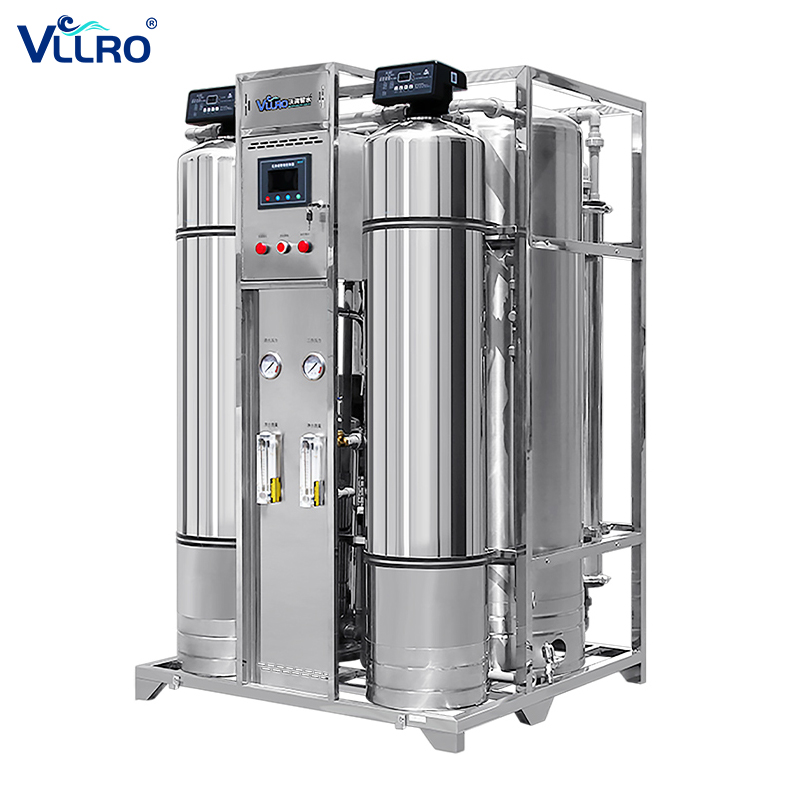
A Containerized RO Plant is an integrated reverse osmosis water purification system built inside a robust, transport-ready shipping container. Designed for plug-and-play deployment, it delivers high-quality purified water in locations where infrastructure is limited, unstable, or non-existent.

To meet the expectations of industrial users, this system combines RO desalination, multimedia pre-filtration, dosing, pretreatment, post-treatment, storage, control automation, and safety features within a single engineered container. Its purpose is to ensure stable water production under challenging conditions—from remote job sites and manufacturing zones to municipal backup systems.
What Defines a High-Performance Containerized RO Plant?
A well-engineered Containerized RO Plant is measured by durability, water output stability, energy efficiency, smart automation, and adaptability to environmental and industrial requirements. The following parameter table represents a standard industrial-grade configuration:
Technical Specifications Table
| Parameter | Specification |
|---|---|
| Container Size | 20 ft / 40 ft ISO Container |
| Feed Water Type | Seawater / Brackish Water / Municipal |
| Capacity Range | 5,000 – 1,000,000 liters per day |
| Recovery Rate | 35–75% depending on feed water |
| Operating Pressure | 8–20 bar (brackish) / 55–70 bar (seawater) |
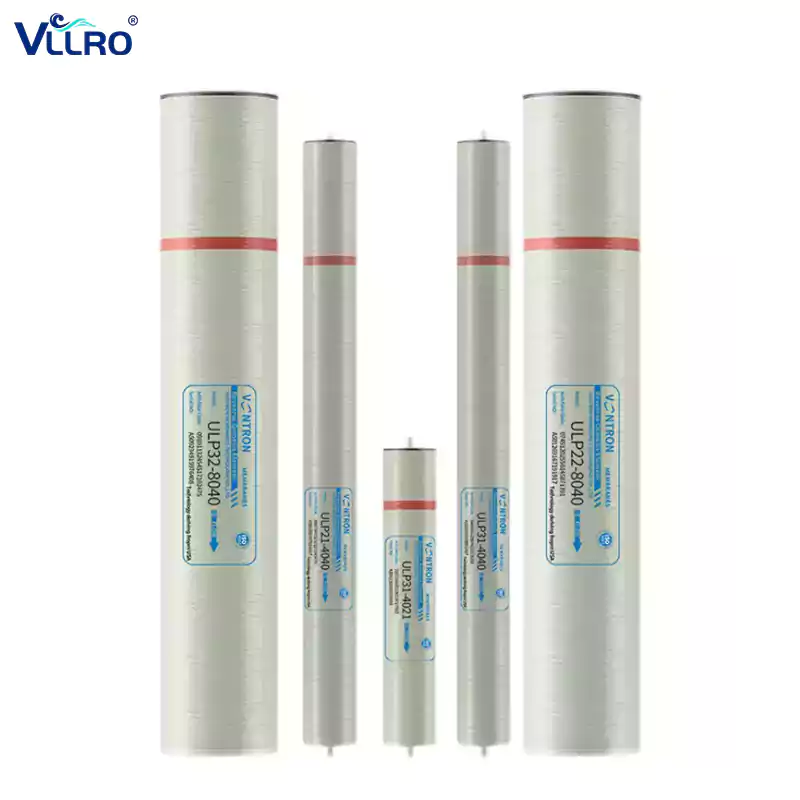
| Membrane Type | TFC Spiral Wound RO Membranes |
| Pretreatment | Multimedia Filter, Cartridge Filter, Antiscalant Dosing |
| Post-Treatment | pH Adjustment, Remineralization optional |
| Power Requirement | 380–460V, 50/60Hz, 3 Phase |
| Control System | PLC + HMI Automated Controls |
| Container Build | Insulated, Ventilated, Weatherproof, With Lighting |
| Additional Features | Remote Monitoring, UV Sterilization, CIP System |
This structured design ensures ease of transport, rapid commissioning, and consistent performance across diverse terrains and climates.
The container body further enhances the value by offering physical protection, space efficiency, thermal stability, and climate resistance—making it ideal for emergency response, mining camps, food processing, and island or coastal municipalities.
How Does a Containerized RO Plant Deliver Efficient Water Purification?
The treatment process inside a Containerized RO Plant is engineered to optimize purity, efficiency, and long-term operating stability. The system typically follows these operational stages:
Stage 1 — Pre-Filtration Setup
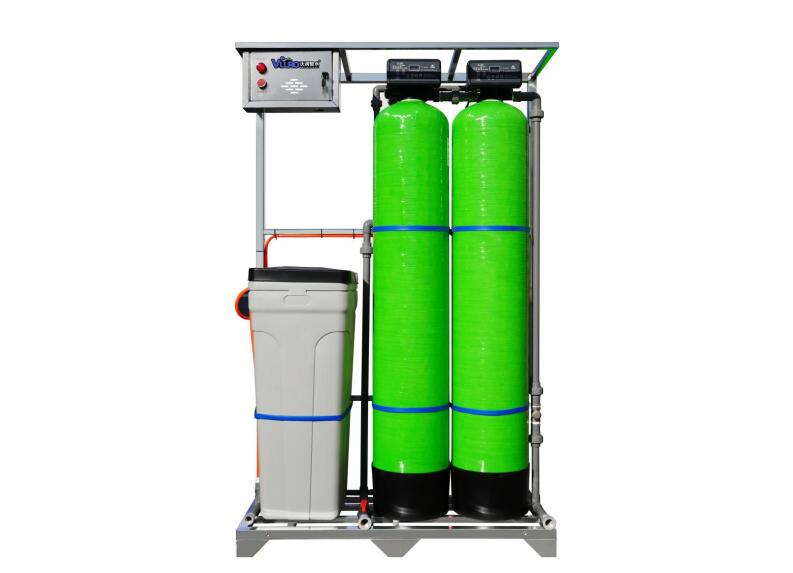
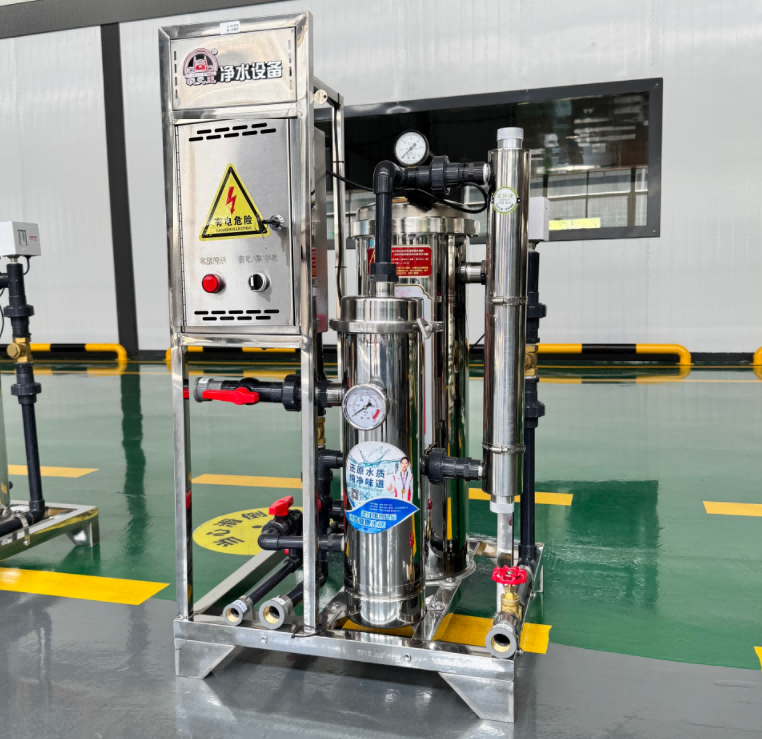
The incoming feed water passes through multimedia filters to eliminate suspended solids, sand, and organic materials. A cartridge filter then provides finer filtration, ensuring minimal fouling of RO membranes. Antiscalant dosing prevents scale formation, preserving membrane lifespan.
Stage 2 — High-Pressure Pump and RO Membrane Operation
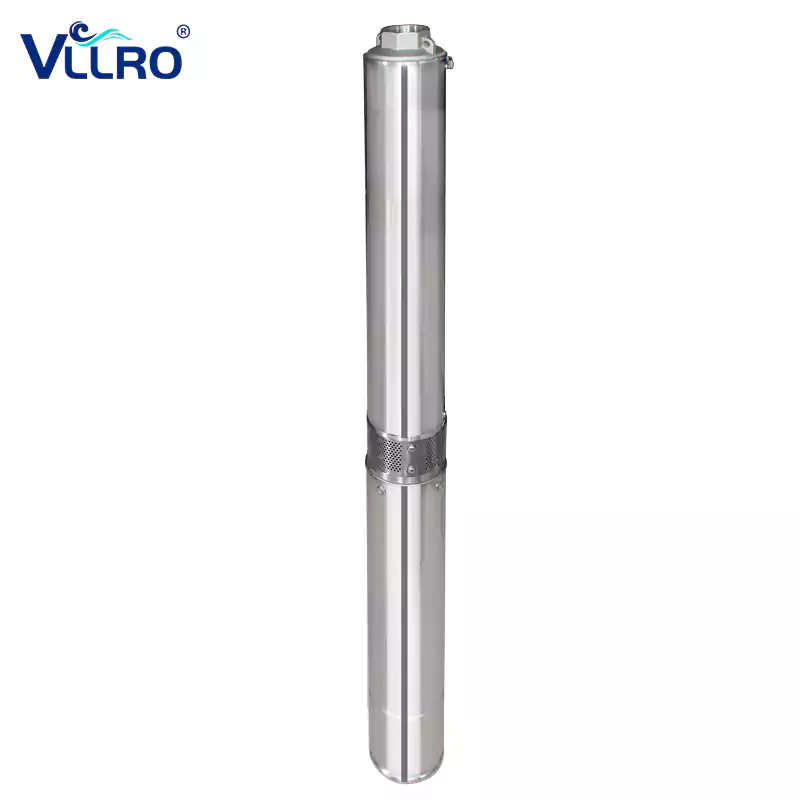
Water is pressurized through a high-pressure pump and pushed across semi-permeable RO membranes. The membranes reject dissolved salts, heavy metals, pathogens, minerals, and dissolved impurities. Fresh product water collects on the permeate side while brine is discharged.
Stage 3 — Energy-Saving and Performance Optimization
Energy recovery devices may be integrated to reduce power consumption—especially for seawater systems. These devices recapture pressure energy from the brine stream, lowering operational costs.
Stage 4 — Post-Treatment and Storage
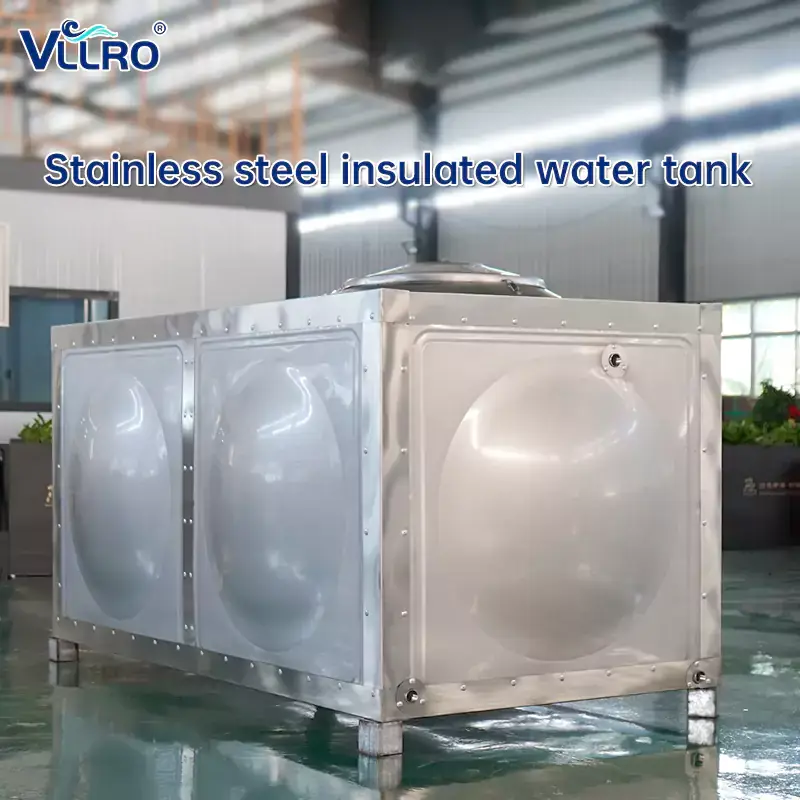
Depending on the end-use, the system can include sterilization, pH stabilization, mineral addition, or storage tanks. The final water quality meets drinking, industrial, or process-grade standards.
Stage 5 — Automation, Monitoring, and Remote Access
PLC and HMI controls allow for real-time monitoring of pressures, flow rates, membrane performance, water quality, and system alarms. Remote monitoring capabilities ensure fast troubleshooting and minimal downtime.
This multi-step process enables Containerized RO Plants to operate reliably in remote or harsh locations while meeting demanding water quality standards.
Why Are Containerized RO Plants a Strategic Investment for the Future?
As global water scarcity intensifies and industries shift toward decentralized infrastructure, Containerized RO Plants have emerged as a critical long-term solution. Several factors drive their rising relevance:
Rapid Deployment and Mobility
Industries and governments increasingly require systems that can be deployed within days rather than months. Containerized units are pre-assembled, tested, and ready to operate upon arrival.
Reduced Capital and Installation Costs
The container serves as both housing and support infrastructure, eliminating the need for civil construction. This significantly reduces total project cost.
High Scalability and Modular Expansion
Facilities can expand water production by adding more container units over time. This modular approach avoids the upfront costs of oversized treatment plants.
Strong Performance in Remote and Off-Grid Environments
With reliable weather protection and optional solar-powered configurations, these systems can operate in deserts, islands, mines, offshore sites, military bases, and disaster zones.
Increasing Adoption Across Key Industries
Sectors such as oil and gas, power generation, agriculture, beverage manufacturing, tourism, and municipal water agencies are adopting containerized solutions due to their compact design and water production reliability.
Alignment With Global Sustainability Goals
Many new systems focus on lower energy consumption, reduced chemical use, and recyclable membranes. As circular water systems grow in popularity, containerized RO units support green operations with reduced footprints.
Common Questions About Containerized RO Plants
Q1: What maintenance schedule is required for long-term operation?
A: Routine maintenance includes regular cartridge filter replacement, monitoring membrane performance, checking antiscalant dosing levels, inspecting high-pressure pumps, and conducting periodic CIP (Clean-In-Place) procedures. Most industrial users implement monthly inspections and semi-annual full maintenance, ensuring membrane life of 3–5 years depending on feed water conditions. Automated control systems simplify maintenance tracking and alarm reporting.
Q2: Can a containerized RO system handle extremely high salinity or poor-quality feed water?
A: Yes. Containerized units are configurable for different feed water conditions, including seawater with TDS above 35,000 ppm or brackish water with heavy turbidity. Pretreatment modules such as DAF, UF membranes, or advanced filtration can be integrated to protect RO membranes and maintain performance stability. The high-pressure pump and membrane selection are tailored to match salinity levels and operating conditions.
Conclusion — Future Outlook and Contact Information
Containerized RO Plants represent the direction of modern water purification—fast deployment, robust engineering, advanced automation, and reliable output across diverse industrial and remote environments. Their scalable, modular nature allows organizations to meet rising water demands without investing in large fixed infrastructure. As industries continue moving toward flexible and decentralized water treatment systems, containerized RO technology will play an increasingly essential role in global water security and operational continuity.
Brands like VLLRO continue to innovate in membrane quality, system durability, remote monitoring technology, and customized engineering solutions, helping industries secure efficient and dependable purification systems.
For project consultation, technical guidance, or customized system design, contact us to discuss solutions tailored to your operational requirements.
Related News
- How to Reduce Wastewater in Commercial RO Systems Without Sacrificing Membrane Life
- How to Calculate ROI for a Commercial Water Refilling Station
- How to Design a Borehole Water Pretreatment System for Remote Commercial RO Stations
- The "Brain" Behind the System: How VLLRO's Intelligent IoT Control Platform Revolutionizes Water Management
- The Invisible Shield: Why UV Sterilization is Non-Negotiable for Safe Drinking Water
- Maximizing RO Longevity: The Complete Guide to Water Filtration Consumables and Replacement Cycles
Leave me a message