English
- English
- Español
- Português
- русский
- Français
- 日本語
- Deutsch
- tiếng Việt
- Italiano
- Nederlands
- ภาษาไทย
- Polski
- 한국어
- Svenska
- magyar
- Malay
- বাংলা ভাষার
- Dansk
- Suomi
- हिन्दी
- Pilipino
- Türkçe
- Gaeilge
- العربية
- Indonesia
- Norsk
- تمل
- český
- ελληνικά
- український
- Javanese
- فارسی
- தமிழ்
- తెలుగు
- नेपाली
- Burmese
- български
- ລາວ
- Latine
- Қазақша
- Euskal
- Azərbaycan
- Slovenský jazyk
- Македонски
- Lietuvos
- Eesti Keel
- Română
- Slovenski
- मराठी
- Srpski језик

How Does a Pre-Filter Work? When to Change Media?
How Does a Pre-Filter Work? When to Change Media?
Author: Sophia
Water Treatment Engineer, 12 years of experience | Served 800+ homes and small projects | Expertise in groundwater treatment, RO system design & maintenance
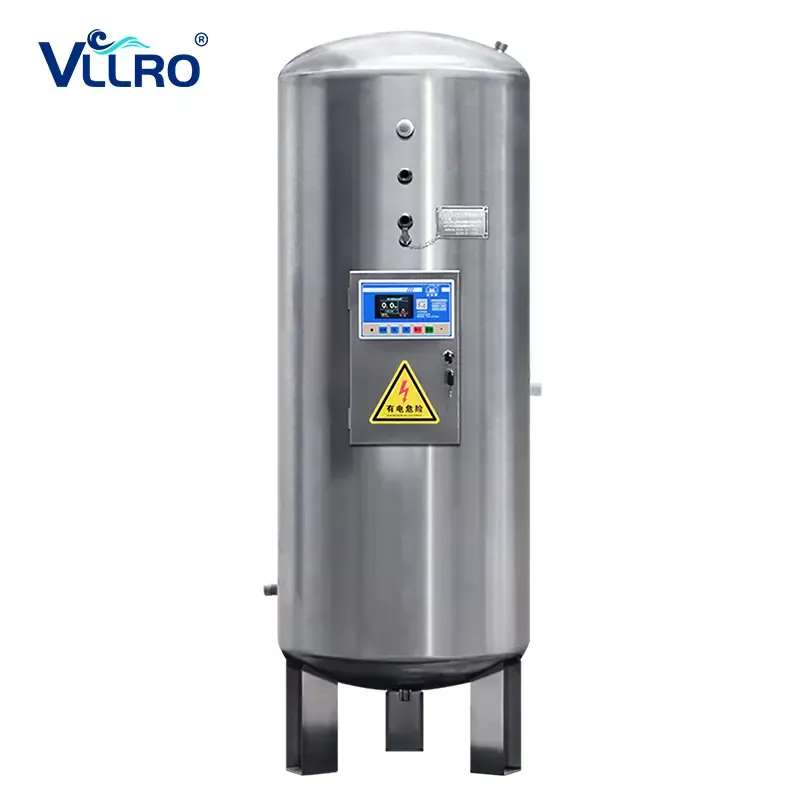
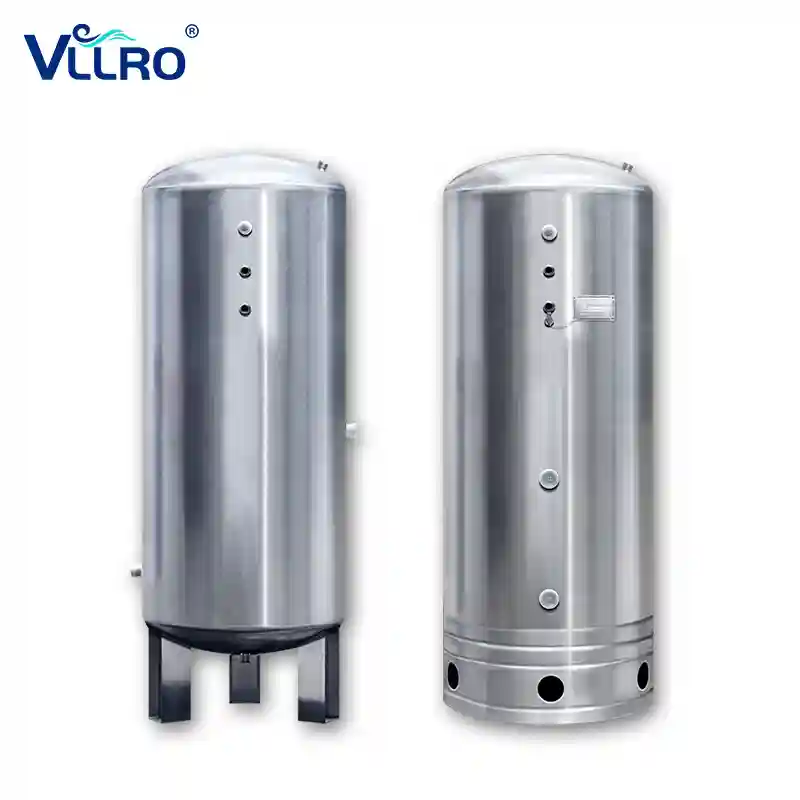
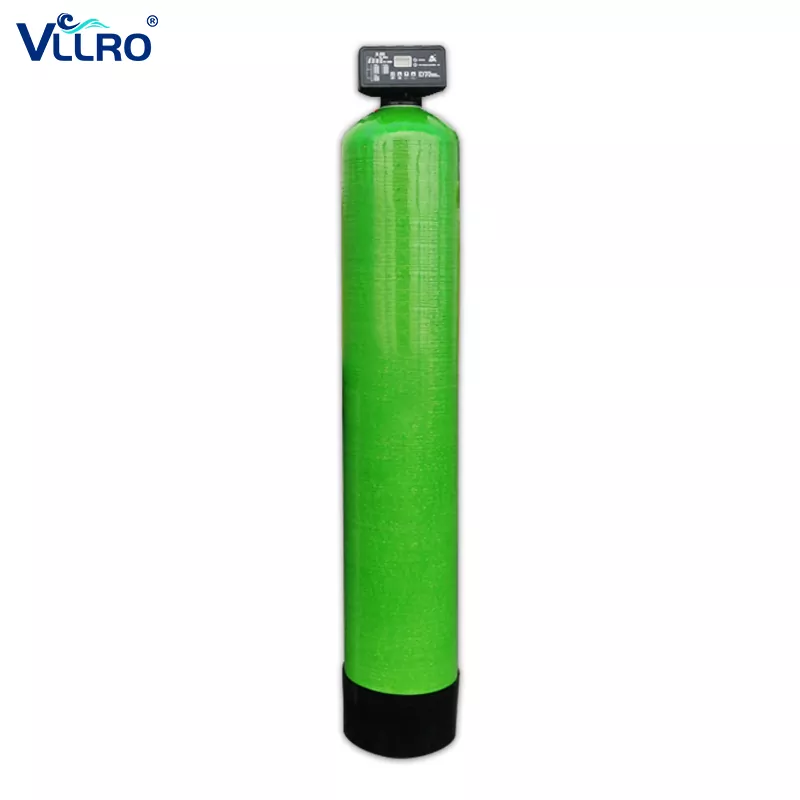
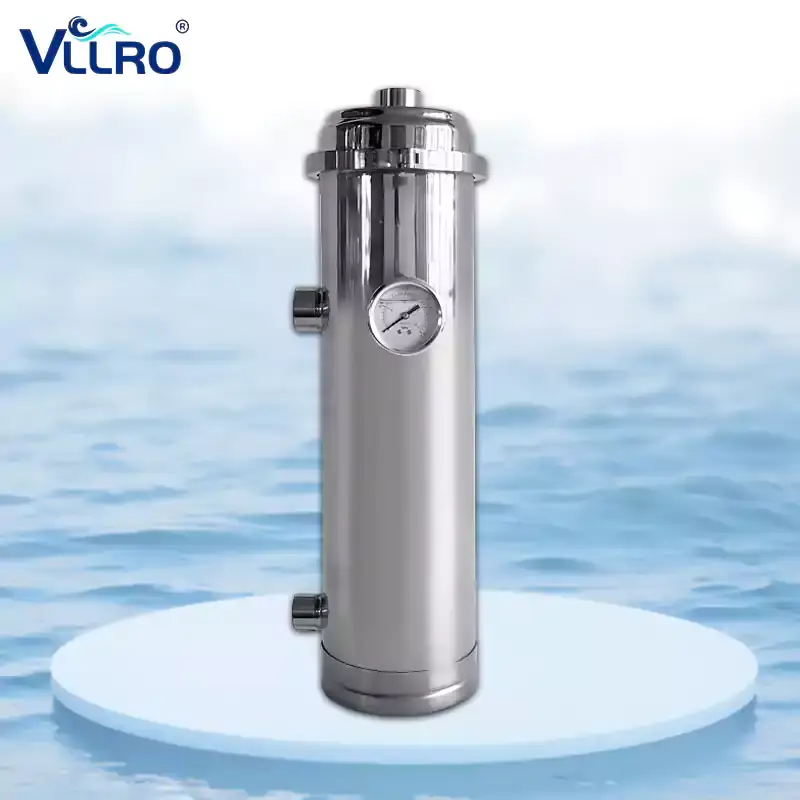
A pre-filter (also called a multi‑media filter) is the first line of defense for your home, small factory, or farm. It removes sand, rust, eggs, chlorine, iron, manganese, and bad smells – protecting your water heater, dishwasher, and RO system. But I‘ve seen too many families use the same filter media for two years without changing it. The result? The water becomes dirtier than before – black water, foul odors, even bacterial growth.
Real case (2024): A livestock farmer in Hebei reported that his filtered water smelled worse than raw well water. I inspected his pre‑filter – the activated carbon had not been changed for 18 months. The media was black, and the bacteria count was 20 times above the limit. After replacing the media, his water returned to normal. Filter media is not permanent.
Today, I‘ll explain the layered filtration principle of a pre-filter , give you a complete table of 6 common media types + replacement schedules (with national standards), and share 3 simple signals to know when to change media – no memorization needed.
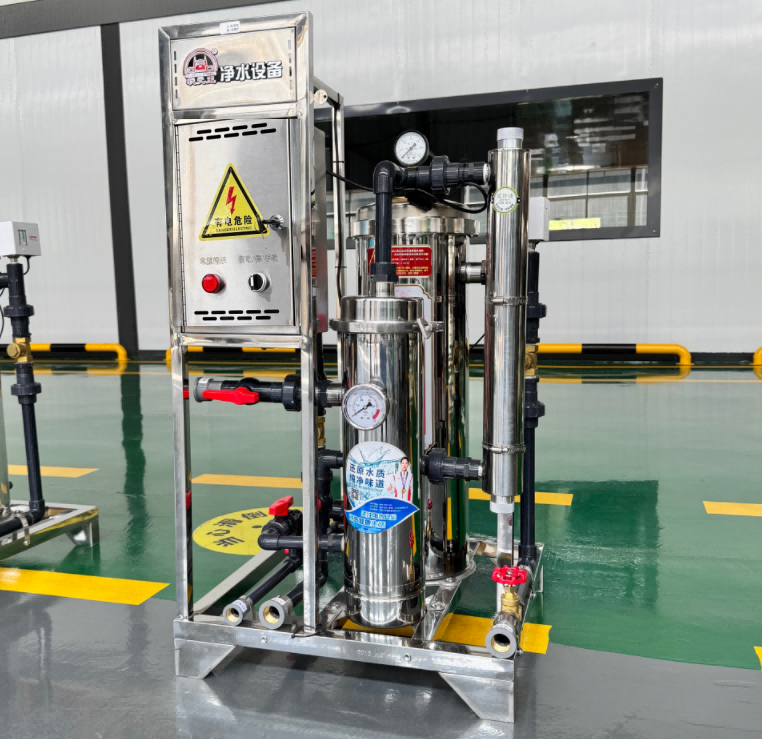
Layered Filtration – How a Pre-Filter Works Step by Step
A compliant pre-filter does not rely on a single media layer. It works through layer‑by‑layer collaboration, from coarse to fine. Here are the 5 typical stages:
1. Coarse layer (quartz sand) – Traps sand, rust, eggs, suspended solids, colloids. Reduces turbidity and protects finer media downstream.
2. Adsorption layer (activated carbon) – Removes color, odor, chlorine, organics. Improves taste and smell. Activated carbon should have an iodine value ≥ 800 mg/g – otherwise adsorption is weak.
3. Catalytic oxidation layer (manganese sand) – For groundwater with high iron/manganese. Converts soluble ferrous/manganous ions into insoluble precipitates, then filters them out.
4. Deep adsorption layer (zeolite, etc.) – Further removes ammonia‑nitrogen and some heavy metals (cadmium, chromium).
5. Ion exchange layer (resin) – Removes calcium and magnesium ions, reduces hardness, prevents scale.
Each layer has its own job. Together, they turn cloudy well water or chlorinated tap water into clean, odorless, safe water – while protecting your downstream appliances.
Common Filter Media + Replacement Schedule
Different media have very different lifespans. Here is my quick reference table:
|
Media |
Main Function |
Replacement Cycle |
Warning Signs |
|
Quartz sand |
Removes large particles (sand, rust, colloids) |
2 3 years (tap water); 1 2 years (groundwater/high turbidity) |
Caking, cloudy water after backwash |
|
Activated carbon |
Removes chlorine, odor, organics; improves taste |
6 12 months (mandatory) |
Saturated, no adsorption; may grow bacteria |
|
Manganese sand |
Removes iron & manganese (yellow water, black stains, metallic taste) |
1 3 years; 6 12 months if severe |
Media turns black, cakes, yellow water returns |
|
Zeolite |
Removes ammonia nitrogen, some heavy metals (Cd, Cr) |
1 2 years |
Caking, reduced flow |
|
Resin |
Softens water (removes Ca²⁺, Mg²⁺); reduces scale |
2 5 years (can be regenerated with salt) |
No softening after regeneration |
|
PP sediment filter |
Fine pre filtration (5μm); protects downstream media |
1 3 months |
Visibly dirty, high pressure drop |
|
KDF (copper zinc alloy) |
Removes chlorine, inhibits bacteria, removes some heavy metals |
2 3 years |
Reduced chlorine removal |
Sophia‘s reminder: Activated carbon and PP sediment filters are the fastest‑consuming media. I tell all my clients: change carbon at least once a year, change PP every 1‑3 months. That is the minimum to keep your water safe.
No Need to Memorize Dates – Watch for These 3 Signals
Hi,You don‘t need to remember every replacement month. In daily use, if you see any of these signals, it’s time to inspect or change your media:
Signal 1 – Abnormal water quality
- Water turns yellow or cloudy
- Strange smell (chlorine, rotten eggs, metallic)
- Bad taste (tea or coffee tastes off)
Signal 2 – Noticeable flow drop
- Faucet flow becomes weak, pressure drops
- Backwash does not restore normal flow
Signal 3 – Media looks bad
- Media is black, caked, or broken when you open the filter
- Slippery film or visible biofilm on the media
If you see both Signal 1 and Signal 2, at least one media layer has failed. Don‘t hesitate – replace it.
Sophia‘s 4 Practical Tips
To make your pre-filter a true “water guardian” instead of a “pollution accelerator,” follow these 4 tips:
1. Always flush new media – After installing fresh quartz sand or activated carbon, backwash + fast rinse for 10‑15 minutes to remove fine particles.
2. Don‘t delay activated carbon replacement – Change it every 6‑12 months. If your water is poor (well water, old pipes), change every 6 months.
3. Manganese sand is essential for groundwater – If your well water smells metallic, turns yellow when standing, or leaves black stains, you need manganese sand. Long‑term iron/manganese exposure can harm the nervous system (WHO report).
4. Pair with an RO system for the best results – The pre‑filter handles coarse particles and chlorine; the RO system removes salts and heavy metals. Together, they produce drinking‑quality water.
Not sure about your water quality? Start with a [water test]or browse our [Residential Pre‑Filter Systems]
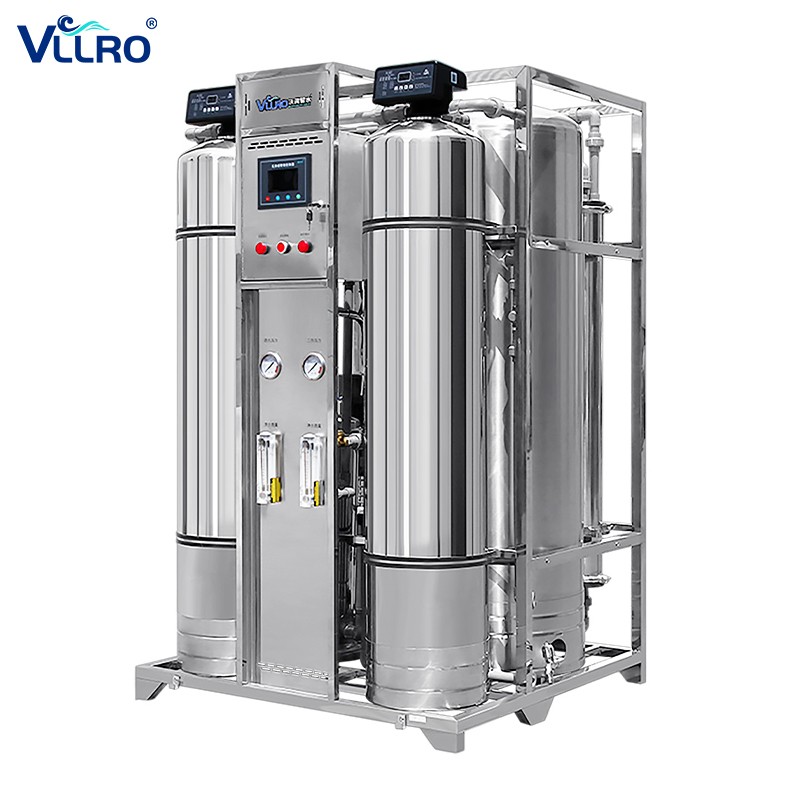
For higher precision purification, check our [Commercial RO Equipment] (for small factories, schools, hotels).
Summary
A pre-filter protects your family‘s health – not by how much you paid for it, but by whether you change the media on time.
Quick recap:
- Quartz sand: 2‑3 years
- Activated carbon: 6‑12 months (most overlooked!)
- Manganese sand: 1‑3 years (essential for groundwater)
- PP sediment filter: 1‑3 months
Watch for the 3 signals, and you‘ll easily manage your pre‑filtration system.
If you’re unsure whether your media needs changing, send me a photo of the media (Sophia). I‘ll help you decide. Leave a comment or message me.
Guard the first barrier. Drink clean water.
– Sophia
Related News
- How to Reduce Wastewater in Commercial RO Systems Without Sacrificing Membrane Life
- How to Calculate ROI for a Commercial Water Refilling Station
- How to Design a Borehole Water Pretreatment System for Remote Commercial RO Stations
- The "Brain" Behind the System: How VLLRO's Intelligent IoT Control Platform Revolutionizes Water Management
- The Invisible Shield: Why UV Sterilization is Non-Negotiable for Safe Drinking Water
- Maximizing RO Longevity: The Complete Guide to Water Filtration Consumables and Replacement Cycles
Leave me a message