English
- English
- Español
- Português
- русский
- Français
- 日本語
- Deutsch
- tiếng Việt
- Italiano
- Nederlands
- ภาษาไทย
- Polski
- 한국어
- Svenska
- magyar
- Malay
- বাংলা ভাষার
- Dansk
- Suomi
- हिन्दी
- Pilipino
- Türkçe
- Gaeilge
- العربية
- Indonesia
- Norsk
- تمل
- český
- ελληνικά
- український
- Javanese
- فارسی
- தமிழ்
- తెలుగు
- नेपाली
- Burmese
- български
- ລາວ
- Latine
- Қазақша
- Euskal
- Azərbaycan
- Slovenský jazyk
- Македонски
- Lietuvos
- Eesti Keel
- Română
- Slovenski
- मराठी
- Srpski језик

Decoding Water Quality Reports: A Technical Guide to TDS, Hardness, and Proper RO Process Selection
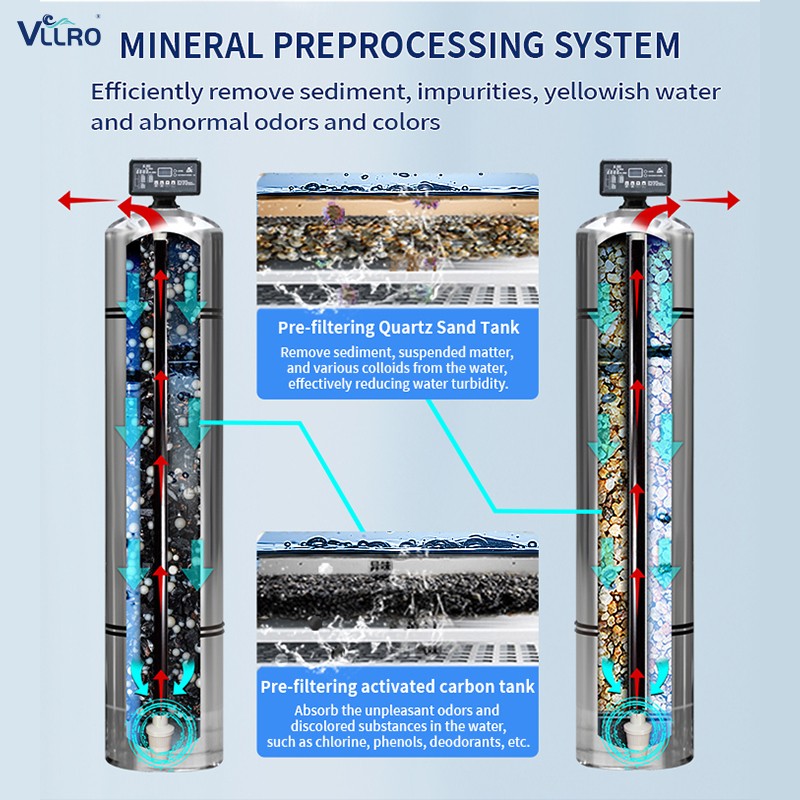
Direct Answer: To select the right Commercial Water Treatment Solution, you must first interpret three critical parameters from your water quality report: TDS (Total Dissolved Solids) dictates whether you need RO or UF; Hardness (Calcium/Magnesium) determines if a softener is required to prevent membrane scaling; and Iron/Turbidity levels dictate the complexity of your pre-treatment system. A system designed without this data-driven approach will likely suffer from premature failure and high operational costs.
1. TDS (Total Dissolved Solids): The Baseline for Technology Choice
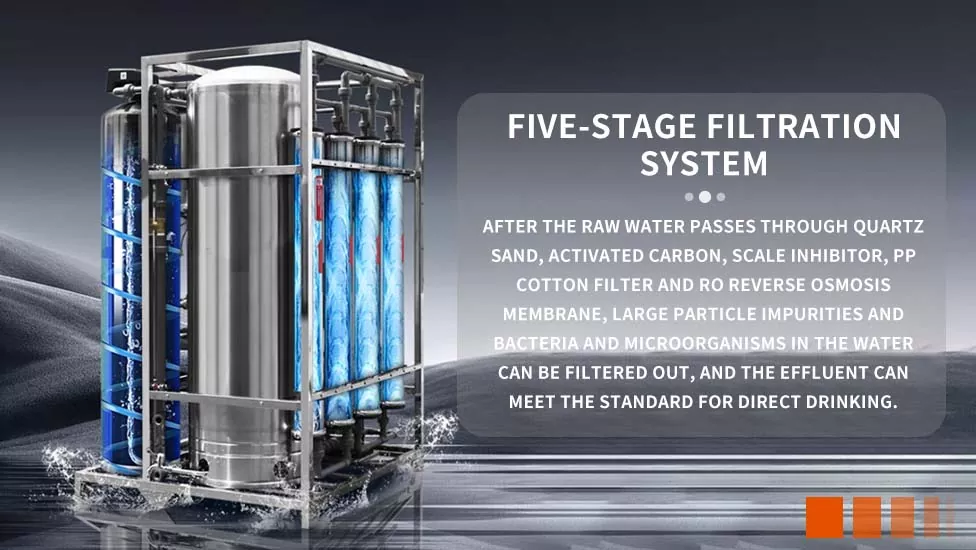
TDS measures the concentration of dissolved inorganic salts in water (expressed in mg/L or ppm).
- TDS < 500 ppm: Generally suitable for Ultrafiltration (UF) if the goal is bacterial removal while retaining minerals.
- TDS > 500 ppm: Requires Reverse Osmosis (RO) to achieve safe drinking standards.
- TDS > 2000 ppm: Classified as Brackish Water, requiring high-pressure VLLRO desalination modules with specialized anti-pollution membranes.
2. Water Hardness: Protecting Your Core Asset (The RO Membrane)

High hardness levels lead to "Scaling" — the buildup of mineral crust on the membrane surface.
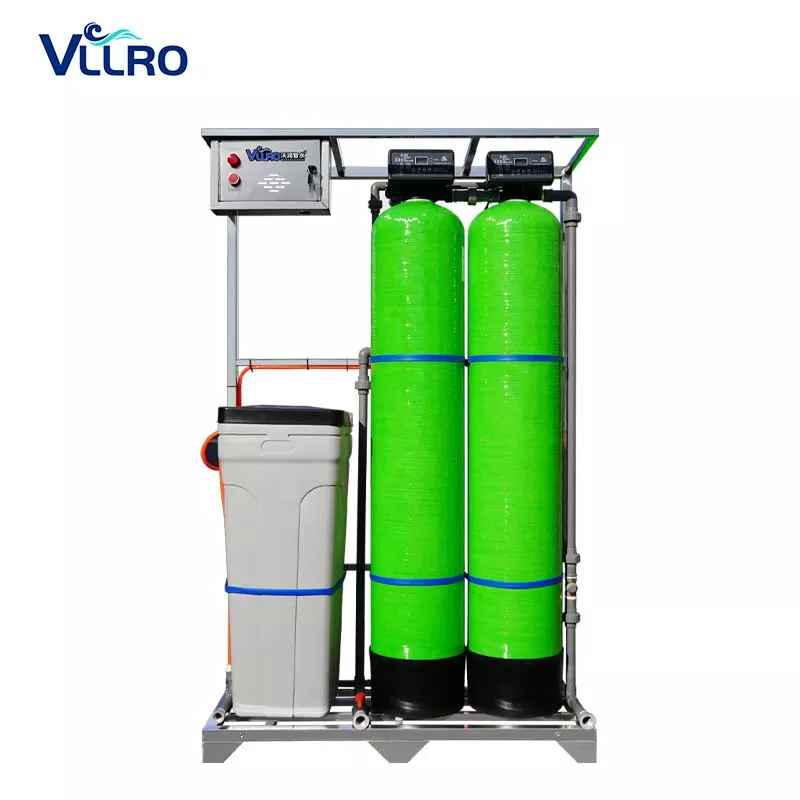
- The VLLRO Rule: If your water hardness exceeds 120 mg/L, VLLRO integrates an automated Ion-Exchange Water Softener as part of the pre-treatment system. Without this, even the best RO membrane will lose 50% efficiency within months.
3. Iron and Manganese: The Invisible Membrane Killers
Common in Borehole/Well Water, iron and manganese oxidize upon contact with air, creating sticky sludge that "fouls" membranes.
- The Solution: Professional systems utilize Manganese Sand or aeration pre-filters to remove these elements before they reach the precision 0.0001-micron RO stage.
VLLRO’s Technical Selection Matrix
| Parameter | High Level Impact | Recommended VLLRO Matrix |
|---|---|---|
| High TDS (>1000) | Salty taste, kidney health risk | High-Desalination RO System |
| High Hardness | Equipment scaling, pipe clogging | Automatic Softener + Anti-scalant dosing |
| High Turbidity | Membrane clogging, low flow | Multi-media Sand Filter + 5μm PP Cotton |
| Bacterial Contamination | Water-borne diseases | Ultrafiltration (UF) + UV Sterilization |
Conclusion: Consulting Before Constructing
At VLLRO, we utilize an "Intelligent Brain" to analyze your water report before a single bolt is tightened. Our Customized Water Logic ensures that your investment is protected by an engineering design that matches your specific raw water chemistry.
Accio Work Technical Education Series for VLLRO Water
Related News
- How to Reduce Wastewater in Commercial RO Systems Without Sacrificing Membrane Life
- How to Calculate ROI for a Commercial Water Refilling Station
- How to Design a Borehole Water Pretreatment System for Remote Commercial RO Stations
- The "Brain" Behind the System: How VLLRO's Intelligent IoT Control Platform Revolutionizes Water Management
- The Invisible Shield: Why UV Sterilization is Non-Negotiable for Safe Drinking Water
- Maximizing RO Longevity: The Complete Guide to Water Filtration Consumables and Replacement Cycles
Leave me a message