English
- English
- Español
- Português
- русский
- Français
- 日本語
- Deutsch
- tiếng Việt
- Italiano
- Nederlands
- ภาษาไทย
- Polski
- 한국어
- Svenska
- magyar
- Malay
- বাংলা ভাষার
- Dansk
- Suomi
- हिन्दी
- Pilipino
- Türkçe
- Gaeilge
- العربية
- Indonesia
- Norsk
- تمل
- český
- ελληνικά
- український
- Javanese
- فارسی
- தமிழ்
- తెలుగు
- नेपाली
- Burmese
- български
- ລາວ
- Latine
- Қазақша
- Euskal
- Azərbaycan
- Slovenský jazyk
- Македонски
- Lietuvos
- Eesti Keel
- Română
- Slovenski
- मराठी
- Srpski језик

What Are RO Water Treatment Inlet Requirements?
What Are RO Water Treatment Inlet Requirements? Sophia Explains
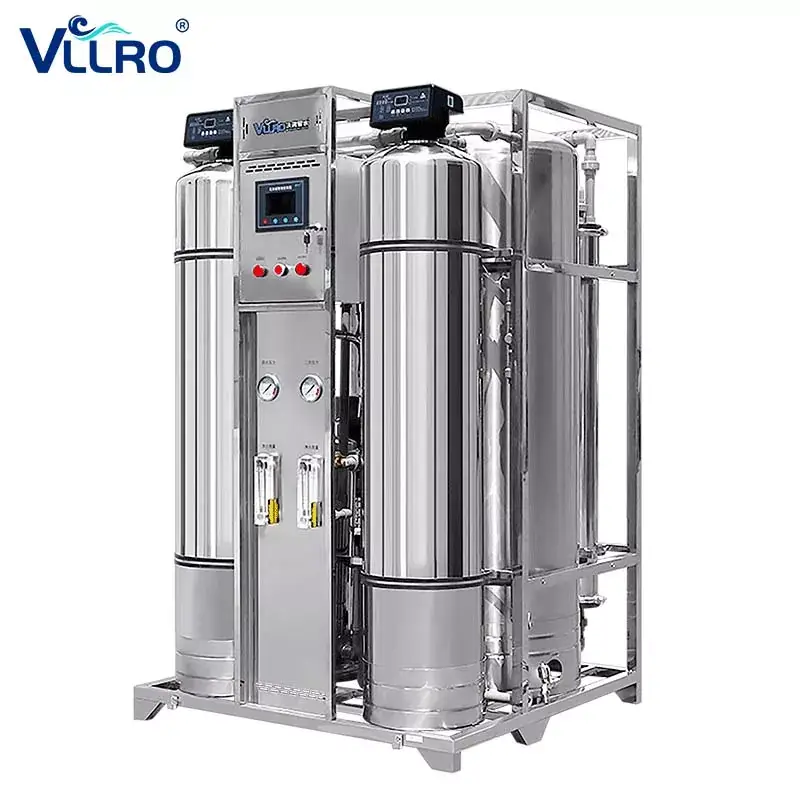
In my last two articles, I showed you how to choose ro water treatment equipment and why pretreatment matters. Today, I want to get specific. What exactly does your raw water need to look like before it enters the RO membrane? These are called inlet water requirements, and ignoring them is the 1 reason systems fail.So Let me give you the exact numbers you need to hit – and show you how proper pretreatment gets you there.
Why Inlet Water Quality Is Non‑Negotiable
Think of your RO membrane as a very picky tenant. It has strict rules. If you feed it water that‘s too hot, too cold, too dirty, or contains chlorine, it will fail – fast.
Every ro water treatment membrane manufacturer publishes a set of inlet guidelines. These are not suggestions. They are minimum requirements for normal operation and warranty coverage.
Below is the cheat sheet I give all my clients. Print it out, tape it next to your system, and check these numbers regularly.
|
Parameter |
Acceptable Range |
Ideal Target |
Why It Matters |
|
Temperature |
1 – 45°C (34 – 113°F) |
20 – 25°C |
Cold water = low output; hot water = membrane deformation |
|
pH |
2 – 11 |
6 – 8 |
Extreme pH hydrolyzes the membrane polymer |
|
Turbidity |
≤ 1 NTU |
< 0.1 NTU |
Suspended solids cause fouling – irreversible flow loss |
|
SDI (Silt Density Index) |
< 5.0 |
< 3.0 |
Measures colloidal particles; high SDI = rapid clogging |
|
Free Chlorine |
< 0.1 mg/L |
0 mg/L |
Chlorine oxidizes polyamide membranes – permanent damage |
|
Iron (Fe) |
< 0.05 mg/L |
< 0.01 mg/L |
Iron precipitates as rust and scales the membrane |
|
Manganese (Mn) |
< 0.02 mg/L |
< 0.01 mg/L |
Same as iron – black/brown scale |
|
COD (Chemical Oxygen Demand) |
< 1.5 mg/L |
< 1.0 mg/L |
Organics adsorb onto membrane, reducing permeability |
Let‘s Deep Dive Into the Three Most Critical Parameters
You don‘t need to become a water chemist. But you do need to understand these three numbers – they cause over 80% of ro water treatment failures.
1. SDI (Silt Density Index) – The Fouling Predictor
SDI measures how many colloidal particles (tiny suspended solids) are in your water. A low SDI means clean water. A high SDI means your membrane will clog like a coffee filter with too many grounds.
- SDI < 3 – Excellent. Your membrane will last 3‑5 years.
- SDI 3 – 5 – Acceptable but risky. Expect more frequent chemical cleanings.
- SDI > 5 – Dangerous. You will see pressure drop and output loss within weeks.
How to fix high SDI? You need better pretreatment – usually a multi‑media filter followed by a cartridge filter (5 microns or smaller). For very high colloids, consider ultrafiltration.
2. Free Chlorine – The Silent Destroyer
Chlorine is great for killing bacteria in drinking water. But for your RO membrane? It‘s poison.
Most thin‑film composite (TFC) membranes cannot tolerate any free chlorine. Even 0.1 mg/L over a few hundred hours will cause oxidation damage. The membrane loses its ability to reject salts. Once oxidized, there‘s no repair – only replacement.
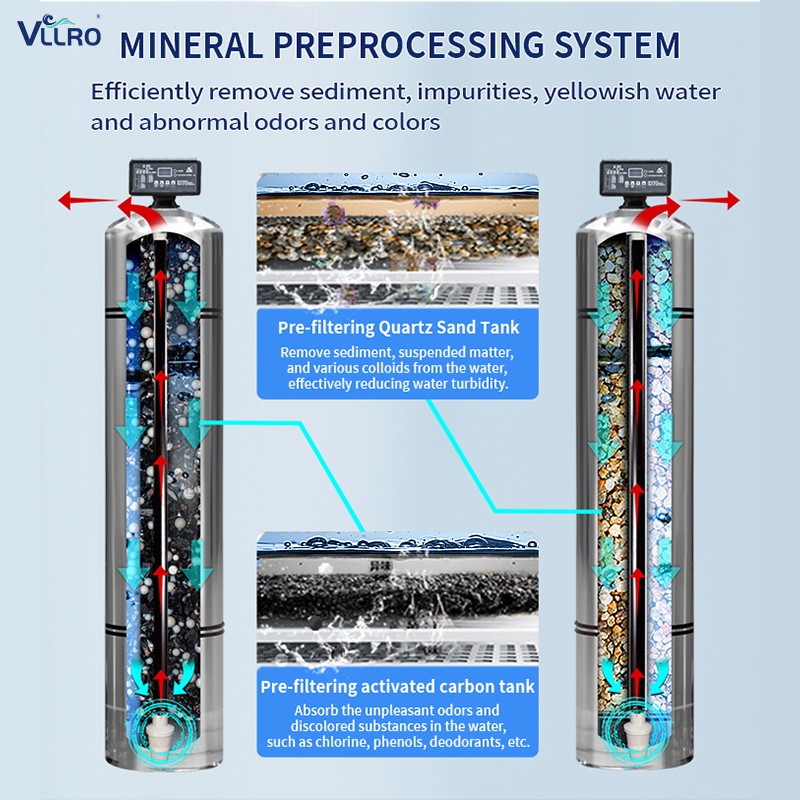
Your pretreatment must include an activated carbon filter designed to remove chlorine. Replace the carbon every 6‑12 months, or install a sodium bisulfite injection system for larger setups.
3. Turbidity and Suspended Solids
Turbidity is a measure of how cloudy your water is. High turbidity means sand, rust, algae, or clay particles are floating around. These particles will physically abrade the membrane surface and block water channels.
Even if your turbidity is “acceptable” at 1 NTU, I recommend aiming for below 0.1 NTU. That requires a good sand/anthracite multimedia filter plus a 5‑micron cartridge filter just before the RO pump.
Now you see why I keep talking about pretreatment. Pretreatment is the only way to turn raw water into water that meets these inlet specs.
Without the right pretreatment, your ro water treatment system is doomed. With it, your membrane will run smoothly for years.
Ready to Build Your System Right?
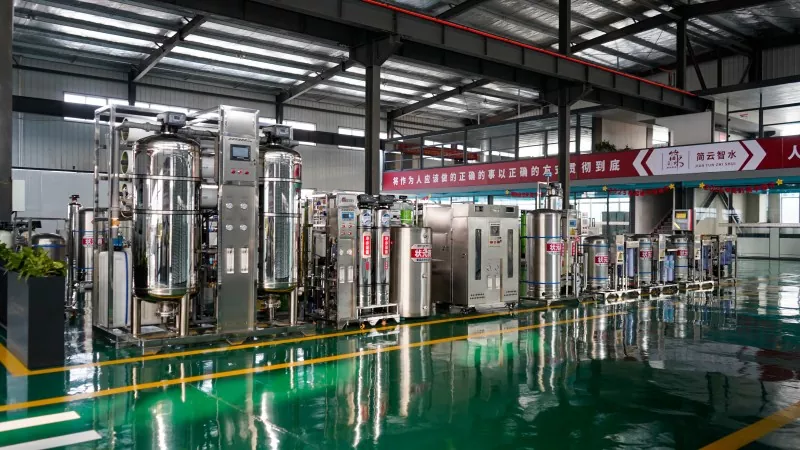
You now know the exact inlet requirements for ro water treatment membranes. You understand why SDI, chlorine, and turbidity matter. And you‘ve seen how pretreatment directly protects your investment.
Still unsure about your water? Start with a professional water test. Then browse our solutions:
Commercial & Industrial RO Systems – Custom built pretreatment trains based on your raw water analysis. SDI and chlorine removal guaranteed.
Have a water test report? Send it to me (Sophia) through our contact page. I‘ll personally review it and recommend the exact pretreatment you need – no charge.
Related News
- How to Reduce Wastewater in Commercial RO Systems Without Sacrificing Membrane Life
- How to Calculate ROI for a Commercial Water Refilling Station
- How to Design a Borehole Water Pretreatment System for Remote Commercial RO Stations
- The "Brain" Behind the System: How VLLRO's Intelligent IoT Control Platform Revolutionizes Water Management
- The Invisible Shield: Why UV Sterilization is Non-Negotiable for Safe Drinking Water
- Maximizing RO Longevity: The Complete Guide to Water Filtration Consumables and Replacement Cycles
Leave me a message