English
- English
- Español
- Português
- русский
- Français
- 日本語
- Deutsch
- tiếng Việt
- Italiano
- Nederlands
- ภาษาไทย
- Polski
- 한국어
- Svenska
- magyar
- Malay
- বাংলা ভাষার
- Dansk
- Suomi
- हिन्दी
- Pilipino
- Türkçe
- Gaeilge
- العربية
- Indonesia
- Norsk
- تمل
- český
- ελληνικά
- український
- Javanese
- فارسی
- தமிழ்
- తెలుగు
- नेपाली
- Burmese
- български
- ລາວ
- Latine
- Қазақша
- Euskal
- Azərbaycan
- Slovenský jazyk
- Македонски
- Lietuvos
- Eesti Keel
- Română
- Slovenski
- मराठी
- Srpski језик

How Can a Water Pre-treatment System Prevent RO Failures and Cut Operating Costs?
Article Abstract: If your reverse osmosis (RO) or process-water equipment is suffering from frequent membrane cleaning, sudden pressure drops, inconsistent product water quality, or rising chemical spend, the real problem is often upstream. A Water Pre-treatment System is the “guardrail” that stabilizes feedwater, removes foulants, and protects downstream equipment from scaling, corrosion, and organic contamination. This guide breaks down the most common pain points, explains which pre-treatment modules solve them, and offers a practical selection checklist—so you can spec a system that runs reliably in the real world, not just on paper.
Table of Contents
- Outline
- What Problems Does Pre-treatment Actually Solve?
- What Is Inside a Water Pre-treatment System?
- How Do You Match Feedwater Issues to the Right Modules?
- How Should You Size and Configure the System?
- What Operational Habits Keep Performance Stable?
- What Should You Ask Vendors Before You Buy?
- FAQ
- Next Steps
Outline
- Define the real-world risks that damage RO and process equipment (fouling, scaling, oxidants, solids, organics).
- Explain the core modules used in a Water Pre-treatment System and what each one protects against.
- Provide a practical “problem → solution” table to help you choose the right configuration.
- Share sizing and integration tips that reduce downtime and maintenance surprises.
- Offer vendor questions and acceptance criteria to avoid costly rework after installation.
What Problems Does Pre-treatment Actually Solve?
Most water systems don’t fail because “the RO is bad.” They fail because the feedwater changes—seasonally, daily, or even hourly—and the downstream equipment can’t tolerate those swings. A properly designed Water Pre-treatment System targets four categories of risk:
- Suspended solids and turbidity: Sand, rust, silt, and colloids plug cartridge filters, raise differential pressure, and cause rapid membrane fouling.
- Organics and chlorine/oxidants: Natural organics, color, and residual disinfectants can irreversibly damage membranes or accelerate biofouling if not managed correctly.
- Hardness and scaling ions: Calcium, magnesium, silica, and carbonate alkalinity form scale that crushes flux and forces frequent chemical cleaning.
- Microbial growth: Warm temperatures, organics, and poor flow practices create biofilms that are expensive to remove and quick to return.
When any of these risks are uncontrolled, you usually see the same symptoms:
- Frequent CIP (clean-in-place) cycles and shortened membrane life
- Unstable permeate quality (conductivity spikes, taste/odor changes, or process defects)
- Higher pumping energy due to rising pressure drop
- More downtime, more operator time, and unpredictable chemical consumption
The point of pre-treatment isn’t to make water “perfect.” It’s to make water predictable—so your RO, boiler, cooling loop, or production line runs consistently.
What Is Inside a Water Pre-treatment System?

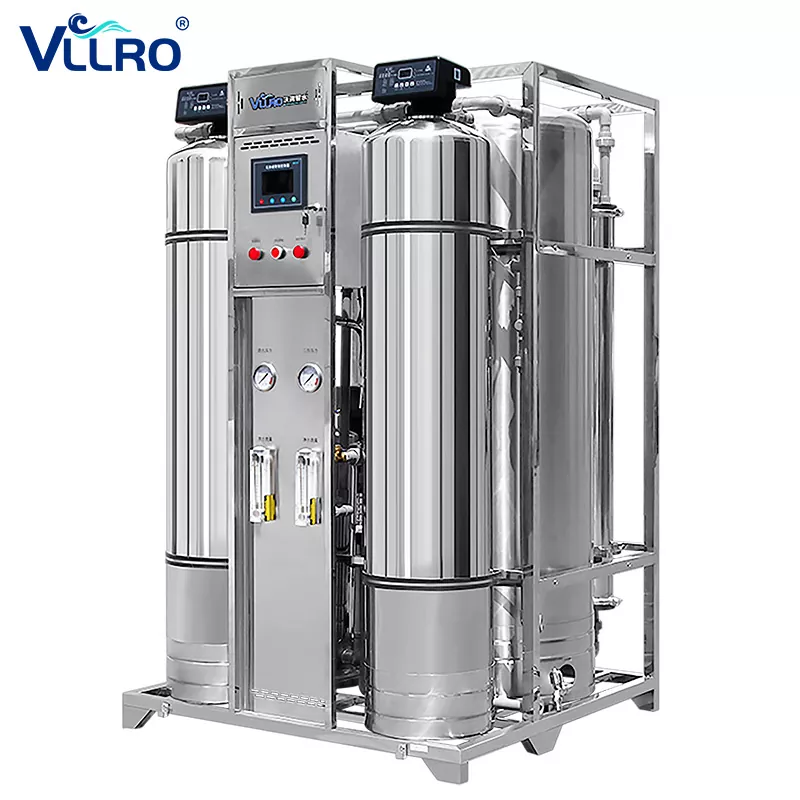
A Water Pre-treatment System is usually a modular train. The best configuration depends on your feedwater source (municipal, surface water, well water, reclaimed water) and your downstream requirement. Here are the most common building blocks and what they do:
- Coagulation/Flocculation (optional): Helps capture fine colloids and organics so they can be removed by filtration. Often used for surface water with high turbidity swings.
- Multimedia/Sand Filtration: Reduces turbidity and suspended solids using graded media. Good for protecting downstream cartridges and membranes.
- Activated Carbon Filtration: Removes chlorine/chloramine (membrane protection), reduces organics, improves color/odor, and can lower some trace contaminants.
- Water Softener (ion exchange): Removes hardness (Ca/Mg) to prevent carbonate scaling, especially important for RO feed and many industrial processes.
- Antiscalant Dosing: Controls scale-forming salts (including difficult species like silica, depending on chemistry). Usually paired with cartridge filtration before RO.
- pH Adjustment (acid/alkali dosing): Used to manage LSI/scale tendency, improve coagulation, or optimize downstream process requirements.
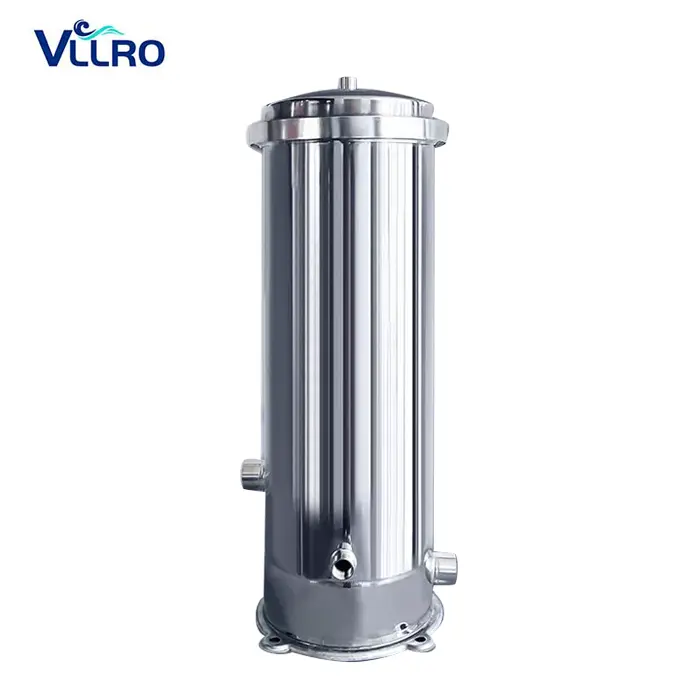
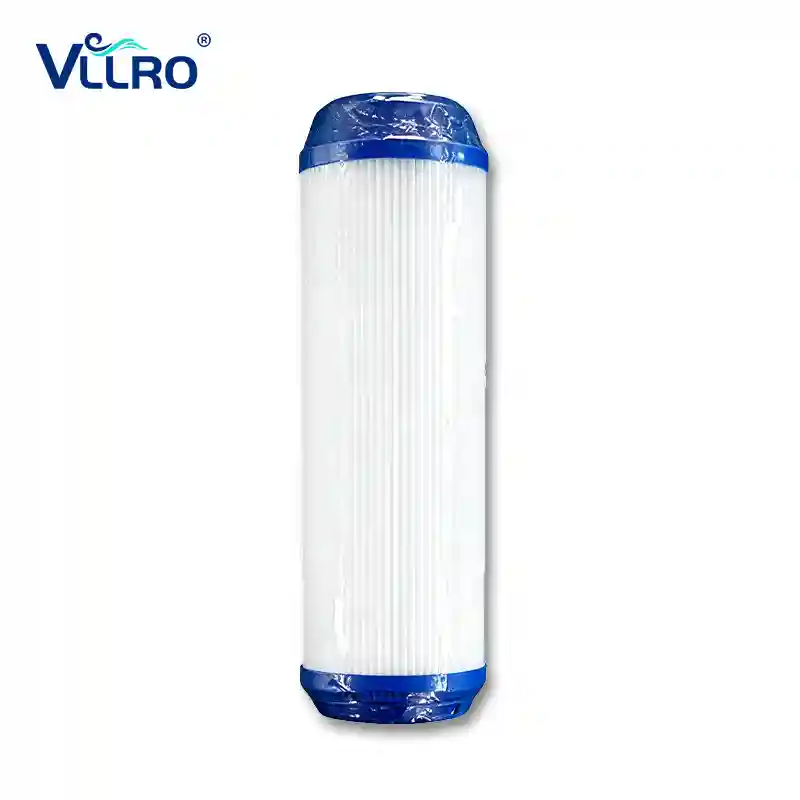
- Cartridge Filtration (typically 1–20 µm): Final barrier for fine solids before RO or sensitive equipment; protects valves, pumps, membranes, and instruments.
- Ultrafiltration (UF) (optional): A stronger barrier for colloids and microorganisms; commonly used when feedwater is variable or when you need very stable SDI.
- Instrumentation and Controls: Pressure gauges, flow meters, conductivity, ORP, turbidity, and DP monitoring to catch problems early—before they become shutdowns.
In practice, you don’t need “everything.” You need the right combination, arranged in the right order, with enough monitoring to prove it’s working.
How Do You Match Feedwater Issues to the Right Modules?
If you only remember one thing from this article, make it this: you select modules based on what you must remove, not on what looks impressive on a brochure. Use the table below as a starting map.
| Feedwater / Operating Issue | Typical Symptoms | Recommended Pre-treatment Modules | Notes That Save You Money |
|---|---|---|---|
| High turbidity / seasonal spikes | Rapid cartridge plugging, RO DP rise, frequent cleaning | Coagulation (optional) + Multimedia filter + Cartridge filter | Design for peak turbidity, not annual average. |
| Chlorine/chloramine present | Membrane damage, loss of salt rejection | Activated carbon + ORP monitoring (or dechlorination dosing) | Confirm contact time and carbon type; don’t guess. |
| High hardness (Ca/Mg) | Scaling, flux decline, higher energy use | Softener (or antiscalant strategy) + Cartridge filter | Softening often reduces chemical cleaning frequency dramatically. |
| High organics / color | Biofouling, odor, unstable performance | Activated carbon + improved filtration (UF if needed) | Organics drive biofouling; address root cause upstream. |
| High SDI / colloids | RO fouling even when turbidity “looks fine” | UF or optimized coagulation + filtration | SDI is a better RO predictor than “clear-looking” water. |
| Silica or mixed scaling risk | Irreversible scaling, short membrane life | Antiscalant + pH control (sometimes partial softening) | Silica needs chemistry-specific control; get a proper calculation. |
| Iron/manganese | Brown staining, fouling, oxidation deposits | Oxidation/filtration strategy + multimedia filter | Choose media and oxidation method based on speciation. |
Quick reality check: if your RO supplier only asks for “TDS and flow,” that’s not enough. You should be looking at turbidity, SDI (or particle counts), hardness, alkalinity, silica, iron/manganese, oxidants, and temperature at minimum.
How Should You Size and Configure the System?
Correct sizing is where reliability is either built in—or quietly removed. These practical rules reduce unpleasant surprises:
- Plan for worst-case, not best-case: Surface water and municipal supplies can change. If you size for the “nice day” sample, you’ll pay for it during peaks.
- Include bypass logic thoughtfully: A bypass can help maintenance, but uncontrolled bypassing can send raw water to RO and cause expensive damage.
- Design for maintenance access: If changing cartridges requires dismantling piping, it won’t happen on schedule. Easy access protects performance.
- Use differential pressure limits: DP across filters tells you what’s happening in real time—much faster than waiting for product quality to drift.
- Choose automation level based on operator reality: If the site has limited staff, more automatic backwash/regen control is often cheaper than downtime.
Many projects also benefit from staged redundancy (for example, twin filters or parallel cartridge housings). It’s not about overbuilding—it’s about ensuring you can keep producing water while one line is serviced.
For industrial users who want an engineered solution rather than a “one-size package,” Jianyun Zhishui (Qingdao) Industrial Technology Co., Ltd. provides configurable pre-treatment trains that can be tailored to the feedwater profile and the downstream target (RO feed, process water, boiler make-up, or specialized production requirements). The key is to treat the system as a process design—not just a product purchase.
What Operational Habits Keep Performance Stable?
A good Water Pre-treatment System doesn’t require heroic operators—but it does need consistent basics. Here’s a simple operating rhythm that prevents most failures:
- Track DP trends weekly: Rising DP = loading or fouling. Catch it early and you avoid emergency shutdowns.
- Verify dechlorination performance: If you rely on activated carbon, monitor ORP (or free chlorine) and confirm contact time is maintained at peak flow.
- Confirm softener output: Hardness breakthrough is a classic “silent killer” that shows up later as scaling. A quick test saves membranes.
- Keep dosing systems honest: Calibrate dosing pumps, inspect injection points, and verify chemical consumption aligns with design expectations.
- Backwash and regenerate on schedule: Skipped cycles don’t save time—they move the cost into downstream cleaning and downtime.
Tip: If you’re constantly “chasing problems,” standardize a one-page log sheet: feedwater turbidity (or SDI), filter DP, softener hardness, ORP/free chlorine, and RO inlet pressure. That small habit makes troubleshooting faster and less emotional.
What Should You Ask Vendors Before You Buy?

Buying pre-treatment without a clear acceptance standard is how projects end up with endless adjustments after commissioning. Ask for these items upfront:
- Design basis: Which water analysis (and date range) was used? Was peak turbidity or seasonal variability considered?
- Guaranteed performance targets: For RO feed, what SDI/turbidity targets are expected at the outlet under specified conditions?
- Control philosophy: What triggers backwash/regen? How are alarms handled? What happens during power loss or low inlet pressure?
- Consumables and maintenance plan: Cartridge size and frequency estimates, media lifespan, regeneration salt use, chemical dosing guidelines.
- Commissioning checklist: What tests prove the system is meeting the intended goals (DP baseline, hardness, oxidant removal, stability over time)?
The best vendors won’t just answer these questions—they’ll bring them up first.
FAQ
What is the difference between pre-treatment and post-treatment?
Pre-treatment protects downstream equipment by conditioning the feedwater before RO or process use (removing solids, oxidants, hardness, organics). Post-treatment adjusts the final water to the application—such as remineralization, disinfection, or polishing for taste and stability.
Do I always need activated carbon before RO?
Not always. You need a dechlorination strategy if chlorine/chloramine is present and your membranes are sensitive to oxidants. Activated carbon is common, but chemical dechlorination can also be used in certain designs. The right choice depends on feedwater disinfectant, flow variation, and monitoring approach.
Is a softener necessary if I use antiscalant?
Sometimes antiscalant alone is enough, sometimes it isn’t. If hardness is high and recovery targets are aggressive, softening can reduce scaling risk and make operation more forgiving. The correct decision requires a scaling tendency evaluation using your full water chemistry.
Why does my RO foul even when the water looks clear?
“Clear” water can still contain fine colloids and organics that drive fouling. Metrics like SDI, particle counts, and organic loading are better predictors than visual clarity. Upgrading filtration or adding UF is often the fix when SDI remains unstable.
How do I know if my pre-treatment is working?
Stable outlet indicators are the proof: consistent DP behavior across filters, low/consistent hardness after softening (if used), reliable oxidant removal (if required), and stable RO inlet pressure with fewer cleanings over time. If your RO cleaning frequency drops and permeate quality stabilizes, pre-treatment is doing its job.
Next Steps
If you’re planning a new system—or trying to stop recurring RO downtime—start by collecting 2–4 weeks of basic operating data and a complete water analysis. Then spec a Water Pre-treatment System that targets your real failure modes (solids, oxidants, hardness, organics, SDI variability) instead of guessing.
For engineering support, configuration guidance, and industrial-grade system options, reach out to Jianyun Zhishui (Qingdao) Industrial Technology Co., Ltd. and contact us to discuss your feedwater, target capacity, and the most reliable pre-treatment train for your application.
Related News
- What Are the Main Stages of an Industrial Water Purification Process?
- How to Reduce Wastewater in Commercial RO Systems Without Sacrificing Membrane Life
- How to Calculate ROI for a Commercial Water Refilling Station
- How to Design a Borehole Water Pretreatment System for Remote Commercial RO Stations
- The "Brain" Behind the System: How VLLRO's Intelligent IoT Control Platform Revolutionizes Water Management
- The Invisible Shield: Why UV Sterilization is Non-Negotiable for Safe Drinking Water
Leave me a message