English
- English
- Español
- Português
- русский
- Français
- 日本語
- Deutsch
- tiếng Việt
- Italiano
- Nederlands
- ภาษาไทย
- Polski
- 한국어
- Svenska
- magyar
- Malay
- বাংলা ভাষার
- Dansk
- Suomi
- हिन्दी
- Pilipino
- Türkçe
- Gaeilge
- العربية
- Indonesia
- Norsk
- تمل
- český
- ελληνικά
- український
- Javanese
- فارسی
- தமிழ்
- తెలుగు
- नेपाली
- Burmese
- български
- ລາວ
- Latine
- Қазақша
- Euskal
- Azərbaycan
- Slovenský jazyk
- Македонски
- Lietuvos
- Eesti Keel
- Română
- Slovenski
- मराठी
- Srpski језик

How Do Stainless Steel Storage Tanks Improve Industrial Efficiency?
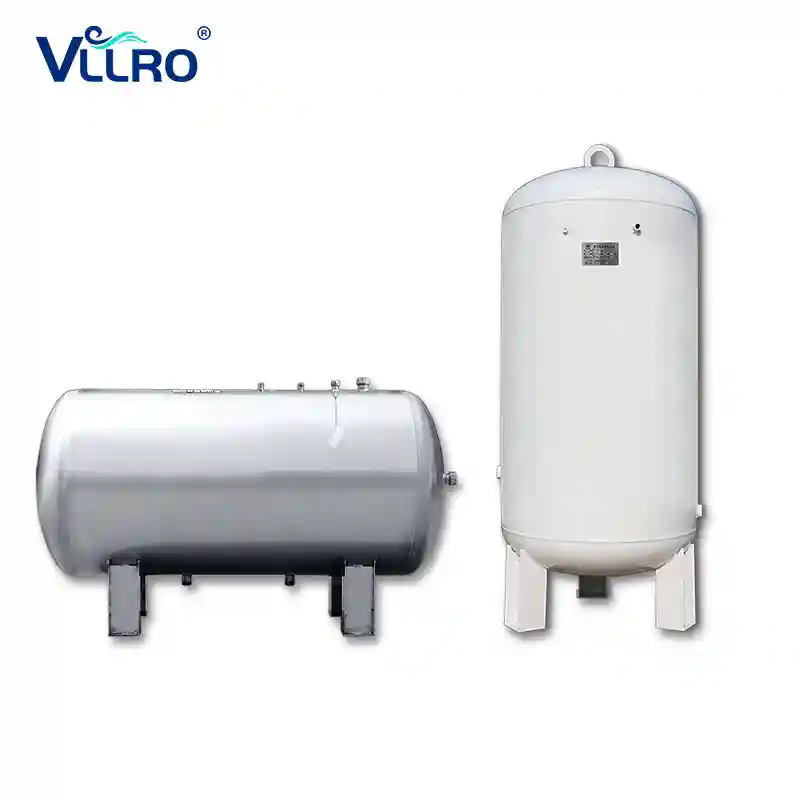
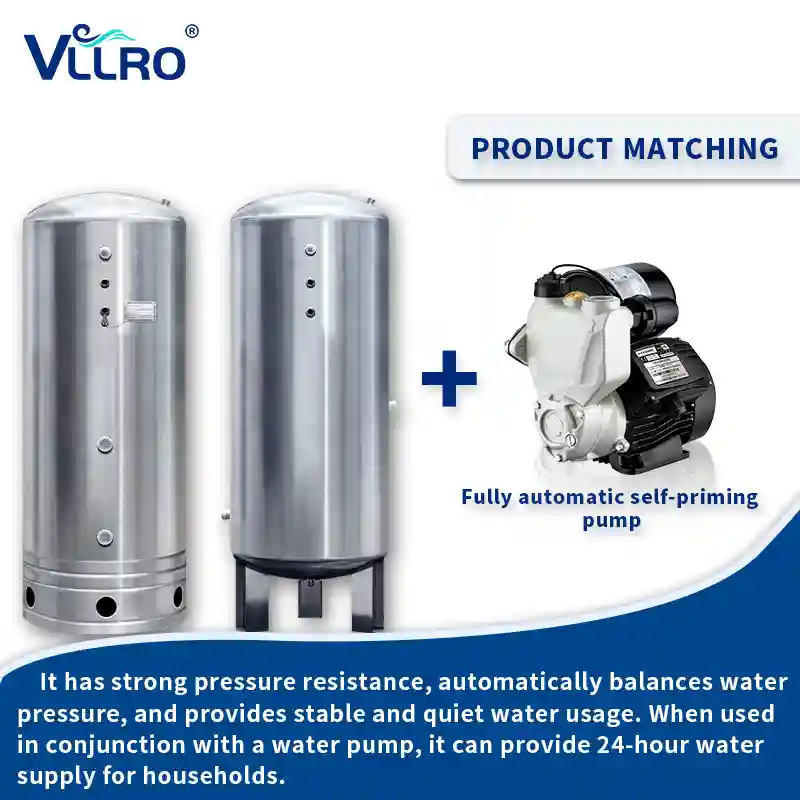
Stainless steel storage tanks have become indispensable in industries ranging from chemical processing to food and beverage production. Designed for durability, hygiene, and long-term reliability, these tanks ensure safe storage of liquids, chemicals, and other sensitive materials.

One of the core functions of stainless steel storage tanks is to provide secure containment of a wide variety of substances. These tanks are constructed using high-quality stainless steel, commonly grades 304 or 316, which offers superior resistance to corrosion, rust, and chemical reactions. This is critical for industries handling food, beverages, pharmaceuticals, and corrosive chemicals.
Stainless steel tanks are designed to prevent contamination, maintain chemical stability, and withstand extreme temperatures. Their smooth interior surfaces reduce bacterial buildup and facilitate thorough cleaning, which aligns with strict hygiene regulations.
Key Advantages:
-
Corrosion resistance ensures longevity and reduces maintenance costs.
-
Temperature resistance allows storage of hot and cold liquids without material degradation.
-
Chemical inertness prevents reactions with stored substances.
-
Hygienic surfaces comply with food and pharmaceutical safety standards.
-
Modular designs support scalability for industrial expansion.
Technical Specifications:
| Parameter | Specification |
|---|---|
| Material | Stainless Steel 304 / 316 |
| Capacity | 500L – 50,000L (customizable) |
| Thickness | 2mm – 10mm depending on size and pressure |
| Surface Finish | Polished (interior & exterior) |
| Operating Temperature | -40°C to 150°C |
| Pressure Rating | Atmospheric to 3 bar (customizable) |
| Optional Features | Agitators, cooling/heating jackets, manholes, level indicators |
These parameters provide the foundation for ensuring product integrity while maintaining operational efficiency.
How Does Material Selection Affect Performance?
Choosing the correct stainless steel grade directly influences durability and chemical resistance. Grade 304 is suitable for general applications, while grade 316 offers higher corrosion resistance, especially for chloride-rich or acidic environments. Using the right grade reduces maintenance frequency, minimizes downtime, and enhances overall cost-effectiveness.
How Do Stainless Steel Storage Tanks Optimize Industrial Processes?
Stainless steel tanks are not just passive storage units—they actively support industrial efficiency through smart design and functional features. Their ability to integrate with heating or cooling jackets allows precise temperature control, critical for processes such as fermentation, chemical reactions, and pharmaceutical production.
Functional Benefits:
-
Thermal Management: Jackets, coils, or embedded heat exchangers maintain required temperatures.
-
Mixing and Agitation: Integrated agitators enable homogenous mixing, preventing sedimentation.
-
Scalability: Tanks can be linked for larger capacity, supporting growing production needs.
-
Automation Compatibility: Level sensors, valves, and PLC systems enable precise monitoring and process control.
-
Maintenance Efficiency: Removable manholes and cleaning ports reduce downtime for sanitation or inspections.
How Does Tank Design Impact Operational Efficiency?
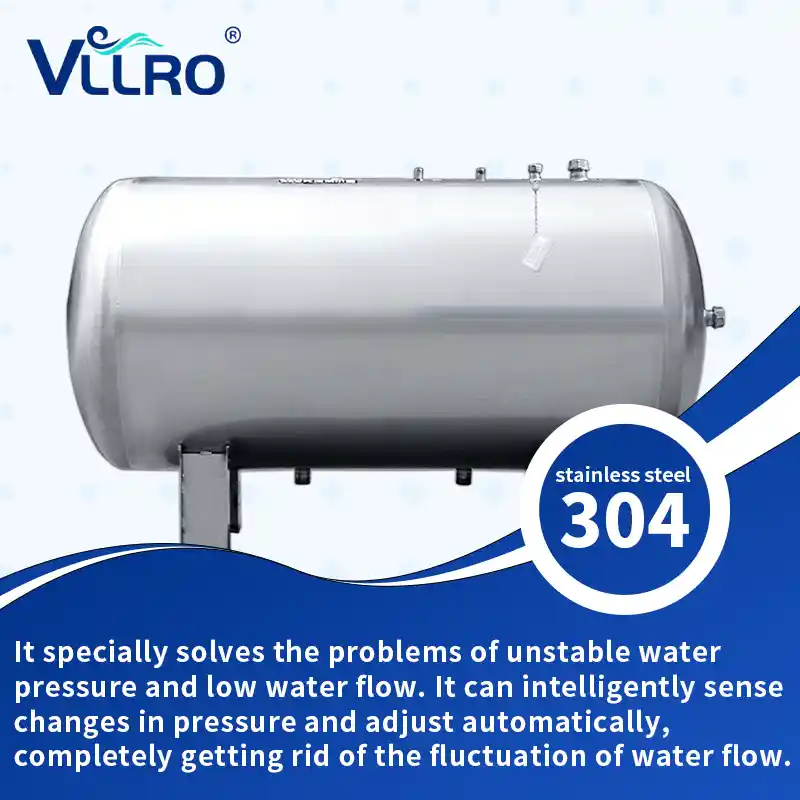
The shape, size, and construction method affect fluid dynamics, heat transfer efficiency, and cleaning time. Cylindrical vertical tanks are common for liquids requiring agitation, while horizontal tanks are ideal for viscous or low-volume materials. Optimizing tank geometry ensures maximum productivity and minimal energy consumption.
Emerging Trend: Smart Storage Solutions
Industries increasingly integrate IoT-enabled sensors in stainless steel tanks. Real-time monitoring of temperature, pressure, and fluid levels improves predictive maintenance, reduces wastage, and ensures consistent product quality.
How Do Stainless Steel Storage Tanks Adapt to Industry-Specific Requirements?
Different industries demand specific features from stainless steel storage tanks. Customization is key to meet compliance standards, operational efficiency, and product safety.
Food and Beverage Industry:
-
Tanks must meet FDA and EHEDG hygiene standards.
-
Smooth weld-free interiors prevent bacterial growth.
-
Cooling jackets support processes like milk storage and brewing.
Chemical Industry:
-
Resistant to acids, alkalis, and solvents.
-
Optional coatings or linings enhance resistance to aggressive chemicals.
-
Pressure-rated tanks enable safe storage of volatile liquids.
Pharmaceutical Industry:
-
Sterilizable tanks with CIP (Clean-In-Place) systems.
-
Polished surfaces prevent contamination and meet GMP standards.
-
Customizable volumes for batch production processes.
How Do Customization Options Improve ROI?
Investing in tailored stainless steel tanks ensures long-term efficiency. Features such as heating jackets, level indicators, or integrated pumps reduce manual labor, energy use, and downtime. This leads to faster process cycles, improved product quality, and lower operational costs.
Common FAQs:
-
Q1: How often should stainless steel storage tanks be inspected?
A1: Routine inspections should occur every 6–12 months depending on the stored material. Checks include weld integrity, corrosion, surface cleanliness, and mechanical fittings to ensure long-term reliability and safety. -
Q2: Can stainless steel tanks store acidic or corrosive liquids safely?
A2: Yes, using grade 316 stainless steel or applying suitable chemical-resistant linings allows safe storage. Tanks should also have proper ventilation and pressure relief systems to prevent chemical hazards.
How Will Stainless Steel Storage Tanks Shape the Future of Industrial Storage?
The future of stainless steel storage tanks is shaped by sustainability, digital integration, and increased regulatory standards. Industries are moving towards tanks that are not only durable and hygienic but also environmentally friendly and smart.
Trends to Watch:
-
Eco-Friendly Materials and Manufacturing: Adoption of recyclable stainless steel and energy-efficient fabrication processes reduces carbon footprint.
-
Automation and Digital Integration: IoT sensors, remote monitoring, and automated controls enhance precision, minimize human error, and enable predictive maintenance.
-
Advanced Thermal Management: Improved jacket designs and energy-efficient heating/cooling solutions reduce energy consumption while maintaining optimal process conditions.
-
Compliance with Global Standards: Higher scrutiny in food, pharmaceutical, and chemical industries increases demand for certified tanks with traceable quality standards.
Why VLLRO Stainless Steel Tanks Lead the Market:
VLLRO provides a complete range of stainless steel storage tanks designed to meet stringent industrial requirements. Each tank is engineered for durability, efficiency, and adaptability. With advanced customization options and compliance with global standards, VLLRO ensures operational excellence across industries.
Contact Us to explore tailored stainless steel storage solutions designed for your business needs. VLLRO’s experts provide consultation, design, and installation services, ensuring optimal performance and safety in every tank.
Related News
- What Are the Main Stages of an Industrial Water Purification Process?
- How to Reduce Wastewater in Commercial RO Systems Without Sacrificing Membrane Life
- How to Calculate ROI for a Commercial Water Refilling Station
- How to Design a Borehole Water Pretreatment System for Remote Commercial RO Stations
- The "Brain" Behind the System: How VLLRO's Intelligent IoT Control Platform Revolutionizes Water Management
- The Invisible Shield: Why UV Sterilization is Non-Negotiable for Safe Drinking Water
Leave me a message