English
- English
- Español
- Português
- русский
- Français
- 日本語
- Deutsch
- tiếng Việt
- Italiano
- Nederlands
- ภาษาไทย
- Polski
- 한국어
- Svenska
- magyar
- Malay
- বাংলা ভাষার
- Dansk
- Suomi
- हिन्दी
- Pilipino
- Türkçe
- Gaeilge
- العربية
- Indonesia
- Norsk
- تمل
- český
- ελληνικά
- український
- Javanese
- فارسی
- தமிழ்
- తెలుగు
- नेपाली
- Burmese
- български
- ລາວ
- Latine
- Қазақша
- Euskal
- Azərbaycan
- Slovenský jazyk
- Македонски
- Lietuvos
- Eesti Keel
- Română
- Slovenski
- मराठी
- Srpski језик

How Is a Multi-media Filter Applied Across Diverse Water Treatment Projects?
A Multi-media Filter is a pressure or gravity-based filtration system designed to remove suspended solids and turbidity from water by passing it through multiple layers of granular media with varying densities and particle sizes. Unlike single-layer sand filtration, this configuration enables deeper penetration of particulates, higher dirt-holding capacity, and more stable effluent quality under fluctuating influent conditions.

How Is a Multi-media Filter Structured and Specified for Engineering Projects?
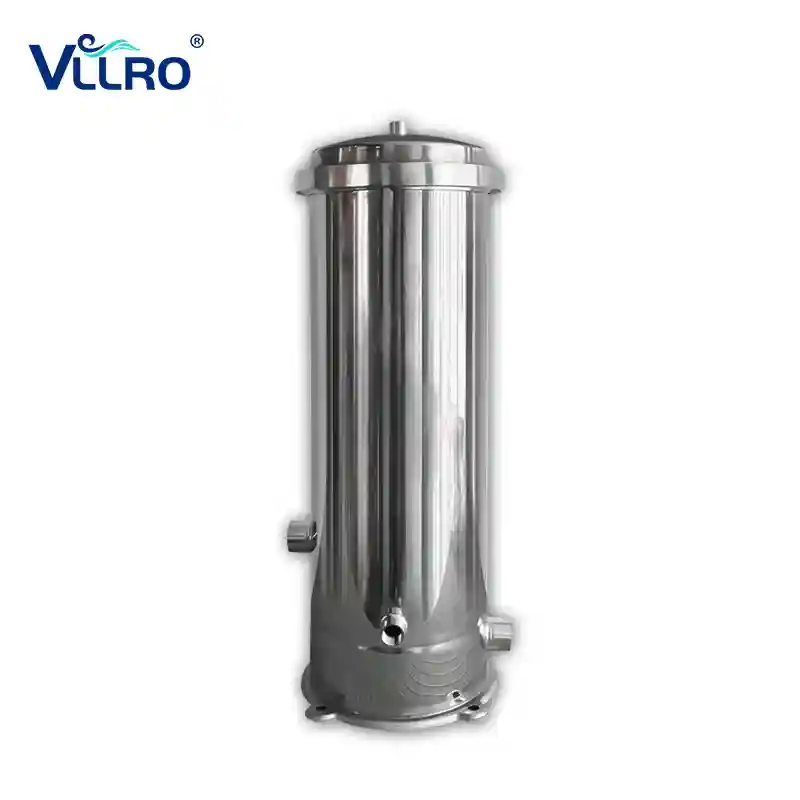
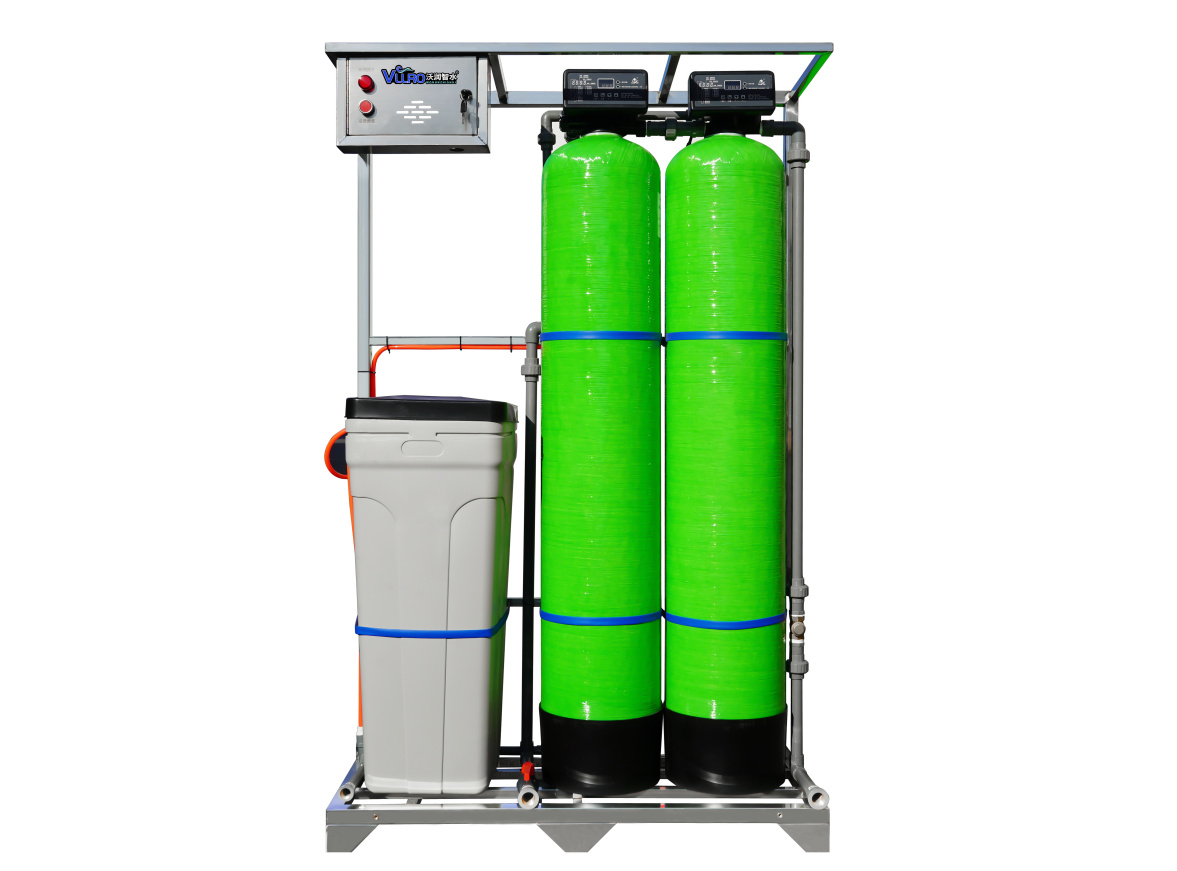
A Multi-media Filter typically consists of a steel or reinforced composite vessel filled with two or more layers of filtration media arranged according to density and effective size. During operation, water flows from top to bottom, allowing larger and lighter particles to be captured in the upper layers while finer particles are retained deeper in the bed. This graded approach improves filtration efficiency and extends service cycles between backwashing events.
From an engineering perspective, proper specification of a Multi-media Filter depends on influent water quality, target effluent standards, hydraulic loading rate, and integration with upstream and downstream processes such as coagulation, clarification, or membrane filtration.
Typical Media Configuration
-
Top layer: Anthracite (coarse, low density)
-
Middle layer: Filter sand (medium density and size)
-
Bottom layer: Garnet or ilmenite (fine, high density)
-
Support layer: Graded gravel to protect underdrain systems
Representative Technical Parameters
| Parameter | Typical Range |
|---|---|
| Vessel diameter | 600–3000 mm |
| Design pressure | 0.6–1.0 MPa |
| Filtration velocity | 8–15 m/h |
| Operating temperature | 5–45°C |
| Media depth (total) | 800–1200 mm |
| Turbidity removal | Up to 90–95% (application dependent) |
| Backwash method | Air + water or water only |
These parameters may vary based on project-specific requirements, regulatory standards, and regional water characteristics. Proper sizing and media selection are critical to achieving stable operation and predictable maintenance intervals.
How Does a Multi-media Filter Operate Within a Complete Water Treatment System?
In practical applications, a Multi-media Filter rarely operates as a standalone unit. It is typically positioned after preliminary treatment stages and before fine filtration or polishing processes. Its primary role is to reduce particulate load, thereby protecting downstream equipment and improving overall system efficiency.
Operational Cycle
-
Filtration phase: Raw or pre-treated water enters the filter vessel, passing downward through the media layers. Suspended solids are trapped throughout the depth of the bed rather than on the surface alone.
-
Head loss development: As particulates accumulate, differential pressure across the filter gradually increases.
-
Backwash initiation: Once a preset pressure drop or runtime is reached, the system initiates backwashing.
-
Media cleaning: Upward flow expands the media bed, dislodging trapped solids and flushing them to drain.
-
Return to service: After rinsing and settling, the filter resumes normal operation.
This depth-filtration mechanism allows Multi-media Filters to handle higher influent turbidity compared to single-media filters, making them suitable for variable water sources such as surface water, recycled process water, and industrial intake streams.
How Should Common Operational Questions About Multi-media Filters Be Addressed?
Q: How often should a Multi-media Filter be backwashed in continuous operation?
A: Backwash frequency depends on influent turbidity, filtration rate, and media configuration. In most municipal and industrial systems, backwashing is triggered when differential pressure reaches 0.07–0.1 MPa or after a predefined operating time, typically ranging from 24 to 72 hours. Systems treating highly variable raw water may require more frequent cycles to maintain stable effluent quality.
Q: How does media selection affect long-term filtration performance?
A: Media selection determines particle capture distribution, backwash efficiency, and service life. Using materials with distinct density gradients ensures proper stratification after backwashing, preventing media mixing and channeling. High-quality anthracite, quartz sand, and garnet with controlled effective size and uniformity coefficients contribute to predictable filtration behavior and reduced operational risk over extended service periods.
How Is the Multi-media Filter Positioned in Future-Oriented Water Infrastructure Planning?
As water treatment systems evolve toward higher efficiency and resilience, Multi-media Filters continue to be incorporated into both conventional and advanced treatment trains. Their compatibility with automation, skid-mounted systems, and modular plant designs supports deployment in decentralized facilities, industrial reuse projects, and infrastructure upgrades.
From a planning standpoint, engineers and project owners increasingly consider factors such as footprint optimization, integration with digital monitoring, and adaptability to changing influent conditions. Multi-media Filters, when properly designed, align well with these requirements due to their scalable structure and predictable hydraulic behavior.
In many modern projects, these filters serve as a transitional step between traditional clarification processes and advanced technologies such as ultrafiltration or reverse osmosis. By stabilizing feed water quality, they help extend membrane life cycles and reduce overall operational expenditure without introducing unnecessary system complexity.
Closing Perspective and Contact Guidance
In water treatment projects where reliability, adaptability, and proven engineering principles are required, the Multi-media Filter remains a widely adopted solution across municipal and industrial sectors. Through careful specification, integration, and operation, it supports consistent water quality outcomes under diverse operating conditions.
VLLRO provides Multi-media Filter systems designed to align with international engineering standards and varied application scenarios. For project consultation, technical data, or system configuration support tailored to specific water treatment requirements, contact us to engage with a team focused on practical implementation and long-term operational stability.
Related News
- How to Reduce Wastewater in Commercial RO Systems Without Sacrificing Membrane Life
- How to Calculate ROI for a Commercial Water Refilling Station
- How to Design a Borehole Water Pretreatment System for Remote Commercial RO Stations
- The "Brain" Behind the System: How VLLRO's Intelligent IoT Control Platform Revolutionizes Water Management
- The Invisible Shield: Why UV Sterilization is Non-Negotiable for Safe Drinking Water
- Maximizing RO Longevity: The Complete Guide to Water Filtration Consumables and Replacement Cycles
Leave me a message