English
- English
- Español
- Português
- русский
- Français
- 日本語
- Deutsch
- tiếng Việt
- Italiano
- Nederlands
- ภาษาไทย
- Polski
- 한국어
- Svenska
- magyar
- Malay
- বাংলা ভাষার
- Dansk
- Suomi
- हिन्दी
- Pilipino
- Türkçe
- Gaeilge
- العربية
- Indonesia
- Norsk
- تمل
- český
- ελληνικά
- український
- Javanese
- فارسی
- தமிழ்
- తెలుగు
- नेपाली
- Burmese
- български
- ລາວ
- Latine
- Қазақша
- Euskal
- Azərbaycan
- Slovenský jazyk
- Македонски
- Lietuvos
- Eesti Keel
- Română
- Slovenski
- मराठी
- Srpski језик

How to Check Quality of Water Filter Tanks & Media?
How to Check Quality of Water Filter Tanks & Media? Sophia‘s 4‑Step Method
Author: Sophia
Water Treatment Engineer, 20 years experience | Helping you spot high‑quality components before you buy
When you build a water treatment system, the tank and filter media are the foundation. A poor‑quality tank can crack or leak. Bad media will fail to purify – or worse, contaminate your water. Over the years, I have developed a simple look, touch, test, compare method to quickly separate good parts from bad ones.
Today, I will show you exactly how to inspect fiberglass tanks, stainless steel tanks, distributors, central pipes, quartz sand, activated carbon, and resin. Follow this guide, and you will never be fooled by cheap imitations.
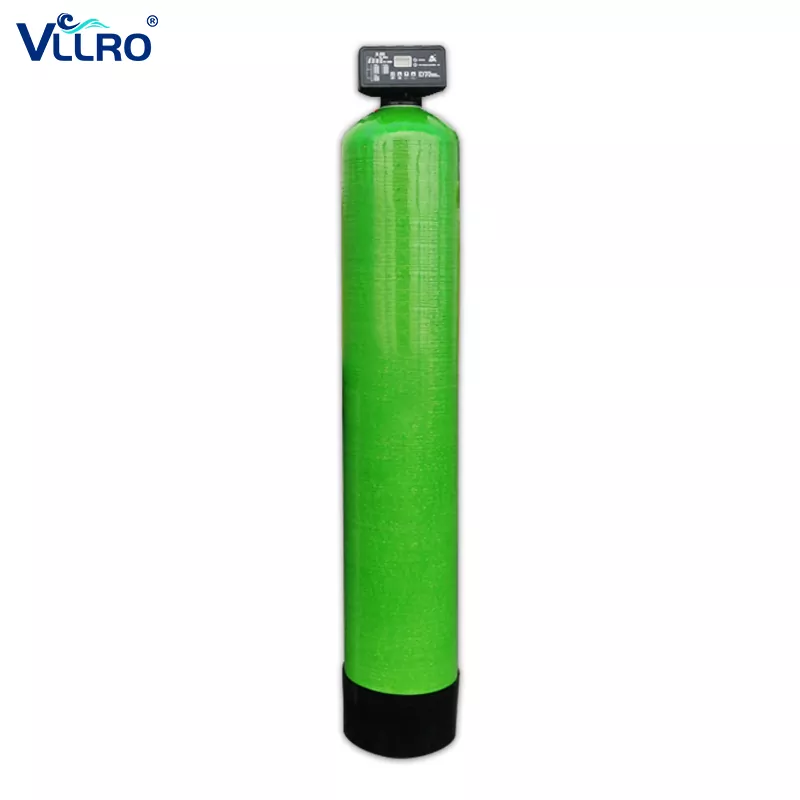
Glass Fiber Reinforced Plastic (FRP) Tanks – The “Green Bottle”

The most common FRP tank size is 1054 (10″×54″). Here is how I judge its quality.
Good Quality Signs
- Wall thickness is uniform. Tap it – the sound is dull and solid, no hollow echo.
- Inner surface is smooth, no bubbles, no delamination. The resin coating feels even, not scratchy.
- Clear label showing pressure rating (≥10 kg/cm²), serial number, and warranty mark.
- Threads on top and bottom openings are smooth. The O‑ring has no odor and fits perfectly.
❌ Bad Quality Signs
- Thin wall, visible bubbles, delamination, or resin drips.
- Tapping produces a crisp, thin‑metal sound.
- No pressure rating or only a vague sticker. Unknown brand.
- Rough threads. O‑ring smells of chemicals or is already deformed.
> �� I once rejected a shipment of 100 FRP tanks because the inner surface had bubbles. Those bubbles would have trapped bacteria – a disaster for drinking water.
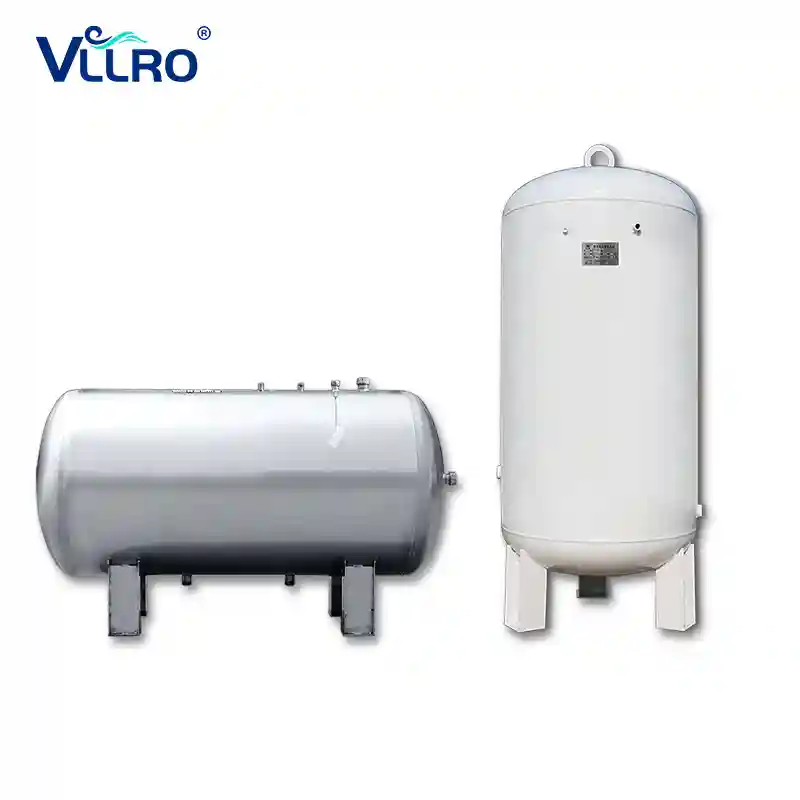
Stainless Steel Tanks (304 vs 201)
Stainless tanks are common for large systems. The material matters.
✅ Good Quality Signs (304 Stainless)
- Material mark – laser engraved “304” or attached test report. (201 is only for non‑critical parts.)
- Welds are full, even, and polished inside and out. No pinholes or missed spots.
- Wall thickness ≥1.5 mm for a 1 ton/hour system. The tank feels heavy.
- Flanges and ports are flat. The gasket groove is precisely machined.
❌ Bad Quality Signs
- No material mark – or claiming 304 but actually 201. (Use a stainless steel test solution to verify.)
- Welds are rough, blackened, or have pinholes.
- Thin wall – you can feel slight deformation when pressing with your hand.
- Rough ports and poor gasket groove – likely to leak.
> I always carry a small bottle of stainless test liquid. One drop on a “304” tank turns red if it‘s really 201. You would be surprised how often fakes appear.
Distributor & Central Pipe (ABS / UPVC)
These internal parts direct water flow through the media bed.
✅ Good Quality Signs (ABS)
- Food‑grade ABS – no strange smell, good flexibility (bends without breaking).
- Distributor slots are evenly spaced, edges smooth.
- Central pipe has uniform wall thickness, fittings are tight.
- After installation, no wobbling or movement inside the tank.
❌ Bad Quality Signs
- Plastic is brittle – cracks when bent. Strong chemical smell.
- Slots are uneven or have sharp edges that can trap media.
- Central pipe is thin, fittings loose – it rattles after installation.
Filter Media – Quartz Sand, Activated Carbon, Resin
Media quality directly affects water purity. Never buy blind.
Quartz Sand (4‑8 mm)
- Good: Uniform grains, angular shape, very little dust. Color milky white or light gray. High hardness – no powder when rubbed. Package has size, origin, and test report.
- Bad: Uneven size, lots of fine powder and dirt. Yellow or black discoloration. Crumbles when rubbed.
Activated Carbon (2‑4 mm, coconut or coal based)
- Good: Uniform particles with slight luster. Iodine value ≥800 mg/g (ask for report). Little black dust on hands. When burned, no thick black smoke. Soaked in water – water stays clear.
- Bad: Lots of broken pieces, heavy dust (hands turn black). Iodine value <600 mg/g, no report. Soaked water becomes cloudy and smells. Burning produces dense black smoke.
> A customer once bought cheap carbon with iodine value below 500. His water still tasted like chlorine. We replaced it with high‑iodine carbon – problem solved immediately.
Softening Resin (cation exchange resin)
- Good: Round, uniform beads, no broken pieces or clumps. Golden or amber color, translucent. Clear brand label with exchange capacity and batch number. Soaked in water – no stickiness, no smell.
- Bad: Uneven size, many broken beads, clumped together. Dark, dull color, opaque. No brand or capacity info. Soaked water becomes sticky or smells bad.
Sophia‘s 5‑Minute Field Check (Look, Touch, Test, Compare)
When you receive any tank or media, run through this quick checklist:
1. Look for brand and label – genuine products have clear model, serial number, test report. Unbranded = risky.
2. Feel the weight – good tanks and media are heavier for the same size (more material).
3. Inspect craftsmanship – welds, threads, slots, seals. Rough work means poor quality.
4. Do simple tests – tap the tank, rub the media, burn a little carbon, soak resin in water.
5. Ask for test reports – reputable suppliers can provide material certificates and performance data.
Ready to Select Your Tanks and Media?
Now you know how to separate high‑quality from low‑quality water filter tanks and filter media . Use these methods on your next purchase – and avoid costly failures.
Browse our [Certified FRP Tanks & Media]– all with test reports.
Related News
- How Does the 304 Stainless Steel Water Supply Purifier Machine Deliver Zero‑Waste Safe Drinking Water for Rural Homes?
- How Does a Containerized RO Plant Deliver Turnkey Pure Water Anywhere in the World?
- How Does a Reverse Osmosis Water Treatment System Deliver Consistent Pure Water for Commercial and Industrial Applications?
- How Does an Industrial Reverse Osmosis Water Purifier Deliver Reliable High‑Purity Water for Manufacturing and Processing?
- Why Is a Softening Water Filter the Smart Choice for Scale‑Free Water and Extended Appliance Life?
- How Does a Reverse Osmosis Water-Making Machine Deliver Safe, Pure Drinking Water for Communities and Businesses?
Leave me a message