English
- English
- Español
- Português
- русский
- Français
- 日本語
- Deutsch
- tiếng Việt
- Italiano
- Nederlands
- ภาษาไทย
- Polski
- 한국어
- Svenska
- magyar
- Malay
- বাংলা ভাষার
- Dansk
- Suomi
- हिन्दी
- Pilipino
- Türkçe
- Gaeilge
- العربية
- Indonesia
- Norsk
- تمل
- český
- ελληνικά
- український
- Javanese
- فارسی
- தமிழ்
- తెలుగు
- नेपाली
- Burmese
- български
- ລາວ
- Latine
- Қазақша
- Euskal
- Azərbaycan
- Slovenský jazyk
- Македонски
- Lietuvos
- Eesti Keel
- Română
- Slovenski
- मराठी
- Srpski језик

Water Tower vs. Pressure Tank System – Which Is Better?
Water Tower vs. Pressure Tank System – Which One Is Right for Your Home?
Author: Sophia
VLLRO Water Treatment Engineer, VLLRO | 20 years in water supply & pressure solutions
If you live in a rural area or own a multi‑story home, you have probably faced this question: Should I build a traditional overhead water tower, or install a modern pressure tank system? Many families still choose the old water tower simply because they don‘t know the better option.
Today, I will give you a clear, side‑by‑side comparison – from working principles to real‑world advantages. After reading this, you will understand why the pressure tank system is the superior choice for stable pressure, clean water, and low maintenance.
Let’s dive in.

How Does Each System Work? (The Basic Principle)
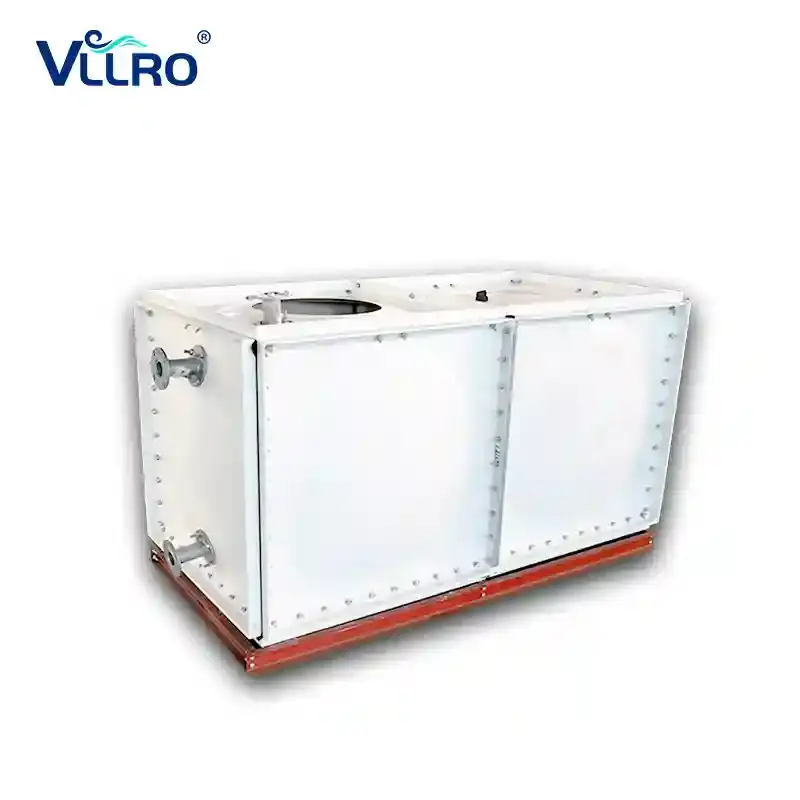
Overhead Water Tower – Gravity at Work
A water tower relies purely on height difference and gravity. A pump sends water up to a tank placed on a high structure (roof, steel tower, or hilltop). Then, water flows down naturally by gravity. No additional pressure device is involved. The higher the tank, the stronger the pressure – but only if you live below it.
Pressure Tank System – Air Pressure as the Engine
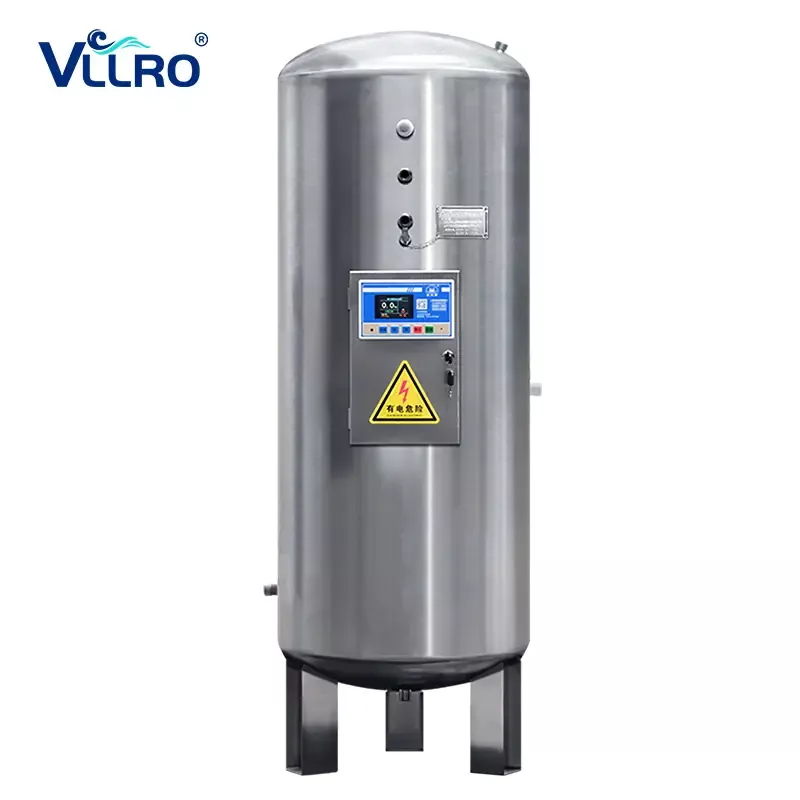
A pressure tank system consists of a sealed pressure tank, a water pump, and a pressure switch. Water fills the tank and compresses the internal air, creating stored air pressure. The pressure switch automatically turns the pump on and off based on preset pressure limits. When you open a tap, the compressed air pushes water out with steady force – no height required.
Think of a water tower as a passive bucket, and a pressure tank as an active battery. One depends on gravity; the other stores energy in compressed air.
Water Pressure Performance – Which Gives You a Strong Shower?
|
Feature |
Water Tower |
<u>Pressure Tank System</u> |
|
Pressure source |
Height difference |
Compressed air |
|
Pressure on 2nd+ floor |
Weak – pressure drops as water level drops |
Strong and steady regardless of floor |
|
Multiple outlets at once |
Pressure fluctuates badly |
Stable – works well even with several taps open |
If you have ever taken a shower under a water tower on the second floor, you know the frustration: the water starts strong, then turns into a weak trickle as the tank empties. With a pressure tank system , every floor enjoys the same powerful, consistent pressure – all day long.
Installation & Space – Saving You Money and Headaches
Water tower – You must build a tall structure (concrete or steel). This requires:
Large land area
Expensive construction labor
Engineering approvals (in some regions)
Weeks or months of work
Pressure tank system – The tank is compact (can be as small as a 24″×50″ footprint). You can place it:
On the ground next to your well
Inside a pump house or utility room
Under a staircase or in a corner
Installation takes hours, not weeks. And the cost? Typically 60‑70% less than building a water tower.
A client in the Philippines told me: “I was quoted $5,000 for a small water tower. I bought a pressure tank system for $1,200 – and my water pressure is even better than my neighbor’s tower.”
Hygiene & Safety – Keeping Your Water Clean
Water tower – Most traditional towers are open or semi‑open design. Dust, leaves, insects, bird droppings, and even dead animals can fall into the water. Algae grows in sunlit tanks. This is a serious health risk.
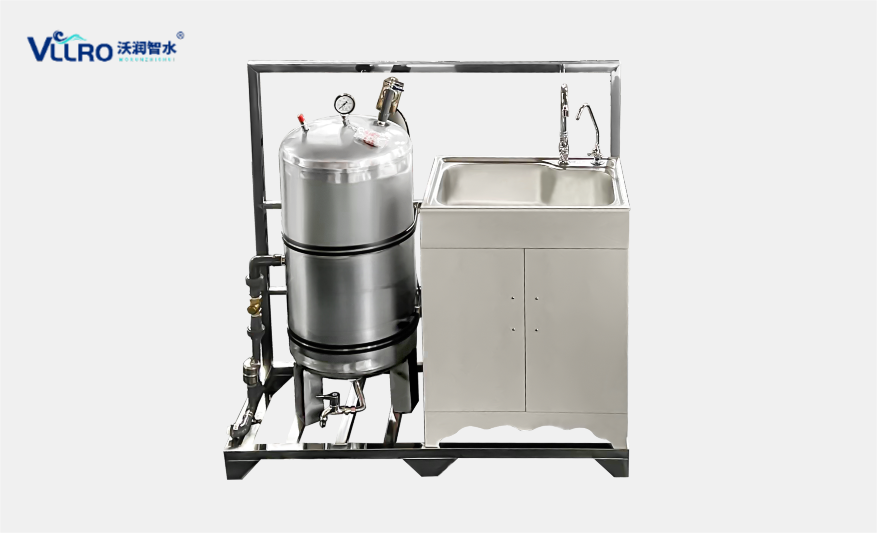
Pressure tank system – Our VLLRO pressure tank is fully sealed. Made of 304 food‑grade stainless steel, it prevents:
Dust and insects from entering
Algae growth (no light inside)
Secondary contamination
The sealed design also means no evaporation loss – critical in dry regions.
Noise & Operation – Set It and Forget It
|
Aspect |
Water Tower |
Pressure Tank System |
|
Pump noise |
Pump runs every time you use water – frequent, loud |
Pump runs only to refill tank – less frequent, quieter |
|
Manual work |
Must check water level regularly; sometimes refill manually |
Fully automatic – pressure switch controls everything |
|
24/7 operation |
No – pressure drops when tank is low |
Yes – constant pressure, no interruption |
With a pressure tank, you install it, set the pressure range once, and then forget it. The system runs itself for years. No climbing ladders to check water levels. No middle‑of‑the‑night pump noise waking you up.
Maintenance & Service Life – Long‑Term Costs
Water tower:
Steel towers rust over time (need repainting or replacement every 5‑10 years)
Concrete towers can crack and leak
Pipes exposed to sun become brittle
Regular cleaning required (algae, sediment)
Pressure tank system:
304 stainless steel – no rust, no corrosion
Designed life: 20+ years with zero daily maintenance
Only occasional air charge check (once a year, 5 minutes with a bicycle pump)
The total cost of ownership over 20 years? The pressure tank wins by a large margin.
Conclusion – Which One Should You Choose?
After comparing working principle, pressure performance, installation, hygiene, noise, and maintenance, the answer is clear:
|
If you want... |
Choose... |
|
Low upfront cost |
Pressure tank (60 70% cheaper than a tower) |
|
Strong, steady pressure on all floors |
Pressure tank system |
|
Clean, sealed water storage |
Pressure tank system |
|
Automatic operation (no daily work) |
Pressure tank system |
|
Long life with no rust |
Pressure tank system |
The only situation where a water tower might still make sense is if you already have one standing, or if you need a large open reservoir for firefighting. For rural homes, multi‑story buildings, farms, and small factories – the pressure tank is simply the better choice.
Ready to Upgrade to a Modern Pressure Tank System?
If you are tired of weak showers, noisy pumps, and dirty water from old towers, it‘s time to switch. VLLRO offers 304 stainless steel automatic pressure tanks in sizes from 50L to 5000L – compatible with any well pump or municipal supply.
Browse our [Pressure Tank Collection]– factory direct, worldwide shipping.
Need help sizing? Visit our [Tank Sizing Guide]or contact our team.
Not sure which pressure tank fits your home? Send me (Sophia) your number of floors, number of taps, and well depth. I will recommend the perfect size – free of charge.
Related News
- How to Reduce Wastewater in Commercial RO Systems Without Sacrificing Membrane Life
- How to Calculate ROI for a Commercial Water Refilling Station
- How to Design a Borehole Water Pretreatment System for Remote Commercial RO Stations
- The "Brain" Behind the System: How VLLRO's Intelligent IoT Control Platform Revolutionizes Water Management
- The Invisible Shield: Why UV Sterilization is Non-Negotiable for Safe Drinking Water
- Maximizing RO Longevity: The Complete Guide to Water Filtration Consumables and Replacement Cycles
Leave me a message