English
- English
- Español
- Português
- русский
- Français
- 日本語
- Deutsch
- tiếng Việt
- Italiano
- Nederlands
- ภาษาไทย
- Polski
- 한국어
- Svenska
- magyar
- Malay
- বাংলা ভাষার
- Dansk
- Suomi
- हिन्दी
- Pilipino
- Türkçe
- Gaeilge
- العربية
- Indonesia
- Norsk
- تمل
- český
- ελληνικά
- український
- Javanese
- فارسی
- தமிழ்
- తెలుగు
- नेपाली
- Burmese
- български
- ລາວ
- Latine
- Қазақша
- Euskal
- Azərbaycan
- Slovenský jazyk
- Македонски
- Lietuvos
- Eesti Keel
- Română
- Slovenski
- मराठी
- Srpski језик

Water Softener Maintenance: How to Refill Salt & Set Cycles?
Water Softener Complete Maintenance Guide: How to Refill Salt & Set Regeneration Cycles?
Author: Sophia
VLLRO Water Treatment Engineer, VLLRO | 20 years in ion exchange & softener design
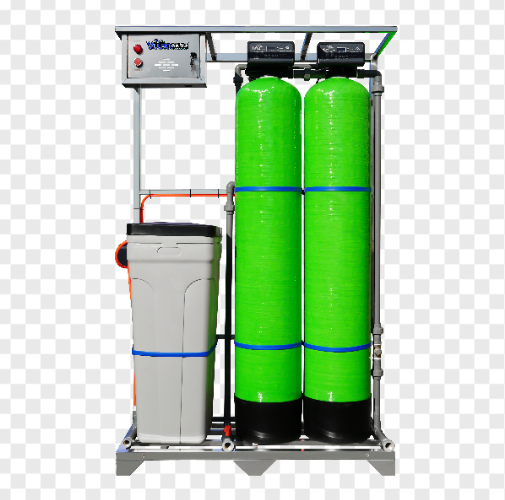
If you own a water softener , you already know it removes hardness minerals (calcium and magnesium) to prevent limescale, protect pipes, water heaters, and commercial equipment. But here is what many users get wrong: improper regeneration cycles and incorrect salt refilling are the number one reasons softeners fail.
After two decades of servicing household and commercial softeners across the world, I have seen everything – from salt bridges that stop all softening to resin poisoned by table salt. In this guide, I will give you engineering‑grade maintenance rules: how to calculate your regeneration days, the only salt you should ever use, and a complete SOP from daily to annual checks.
Let’s make sure your water softener runs efficiently for 10+ years.

Core Working Principle – Why Regeneration Is Non‑Negotiable
A water softener uses ion exchange resin to capture hardness ions (Ca²⁺, Mg²⁺). Once the resin becomes saturated, hard water passes through untreated – you will see scaling on faucets and kettles.
Regeneration is the process of flushing the resin with a saturated brine solution (26%‑28% sodium chloride) to restore its exchange capacity. The frequency of regeneration depends on:
- Local water hardness (ppm or mg/L)
- Daily water consumption (liters per day)
- Resin volume (liters or cubic feet)
- Salt tank capacity
Think of regeneration as recharging a battery. Skip it or do it wrong, and your softener becomes an expensive paperweight.
Regeneration Cycle – Engineering Standards & Calculation
A complete regeneration cycle lasts 60–90 minutes and follows five steps:
1. Backwash – loosens resin bed and removes debris
2. Salt suction & slow rinse – brine pulls hardness off resin
3. Fast rinse – flushes excess brine
4. Water refill – prepares brine for next cycle
Never cut power or water during regeneration – this causes program errors and incomplete softening.
Empirical Cycle Reference (If You Don‘t Have a Flow Meter)
|
Water Hardness Level |
Recommended Regeneration Interval (Time Type) |
|
High (>300 ppm) |
Every 3–4 days |
|
Medium (150–300 ppm) |
Every 5–7 days |
|
Low (<150 ppm) |
Every 7–10 days (run at 2–4 AM) |
For flow‑type softeners (intelligent valves):
- Household: 7–15 days (auto‑adjusts based on usage)
- Small commercial: 4–8 days
Accurate Calculation Formula (For Engineers)
Daily Hardness Load (g) = Water Hardness (ppm) × Daily Water Use (L) ÷ 1000
Regeneration Days = Total Resin Exchange Capacity (g) ÷ Daily Hardness Load (g)
Standard resin capacity: 1000–1300 mg/L (per liter of resin). I always recommend reserving 15%–20% residual capacity – this prevents hard water breakthrough during peak usage.
> Example: A family of 4 with 300 ppm hardness and 400 L/day usage needs regeneration every 4‑5 days. Never guess – calculate.
Special Condition Corrections
- Summer peak water use – shorten cycle by 20% (more showers, laundry)
- Unstable well water – force regeneration every 7 days even if not due
- Low‑usage idle equipment – mandatory regeneration every 15 days to prevent resin compaction and bacteria growth
Salt Refill – The Only Salt You Should Ever Use
This is where most mistakes happen. Only 99.5% purity special softener tablet salt is allowed. I repeat: NO iodized salt, NO edible salt, NO industrial crude salt.
Why? Impurities poison the resin – causing irreversible fouling. I have seen beautiful resin destroyed in 3 months because someone used pink Himalayan salt.
Refill Cycle & Height Standard
|
Application |
Refill Frequency |
Salt Level Indicator |
|
Household |
Every 30–45 days |
Refill when below 1/3 tank |
|
Small commercial |
Every 15–25 days |
Optimal storage: 1/2 – 2/3 full |
|
Large equipment |
Every 7–15 days |
Never fill to the brim |
Salt Bridge Prevention
A salt bridge is a hard, hollow crust that forms on the surface of the salt pile. Water cannot dissolve salt below the bridge, so no brine is created – regeneration fails.
How to prevent:
- Tap the salt layer regularly with a broom handle
- Avoid overfilling the tank
- Always ensure salt piles are submerged after refilling (add water if needed)
> A hotel manager called me in panic – no soft water for a week. I walked him through breaking a salt bridge with a wooden stick. Problem solved in 10 minutes. He now checks salt every week.
Full‑Cycle Maintenance SOP (Daily to Annual)
Daily Inspection (5 minutes)
- Check for leaks or abnormal noise
- Confirm water pressure is stable between 0.2–0.4 MPa (30–60 psi)
- Verify outlet water is clear (no hardness flakes)
Weekly Maintenance (10 minutes)
- Check salt level and break any salt bridges
- Clean the inlet filter screen (sediment trap)
- Ensure drain line is flowing freely
Monthly Maintenance (15 minutes)
- Test outlet water hardness using test strips or titration kit. Target: <50 ppm (or your required level)
- Clean sediment from the bottom of the salt tank
- Inspect pipes and valves for tightness
Quarterly & Annual Maintenance
Quarterly: Perform a manual forced regeneration – this deep‑cleans the resin bed and removes any accumulated fines.
Annual:
- Replace aged resin (every 5‑7 years, or sooner if hardness breakthrough occurs)
- Replace sealing rings and vulnerable parts (O‑rings, piston seals)
- If system will be shut down >15 days – drain all tank water to avoid mildew and freezing damage
Key Maintenance Taboos (Never Do These)
- ❌ Long‑term power off – disables data recording and messes up control valve programs
- ❌ Interrupt regeneration arbitrarily – causes incomplete cleaning
- ❌ Randomly adjust parameters – without recalculating hardness and usage
- ❌ Use high‑chlorine water without carbon pre‑filter – chlorine oxidizes resin, causing early failure
Common Faults & Quick Solutions
|
Problem |
Likely Cause |
Fix |
|
No softening / limescale appears |
Insufficient brine, failed regeneration |
Refill salt, run manual regeneration, clean tank sediment |
|
Excessive salt consumption |
Too frequent regeneration |
Recalibrate cycle based on actual water hardness |
|
Water leakage |
Aging seals or blocked drain |
Replace seals, clean drain line |
|
Salt bridge |
Overfilling, no stirring |
Break hard layer with tool, control fill height |
|
Resin beads in outlet |
Broken distributor or resin degradation |
Replace distributor and resin |
> If you see black or brown resin pieces in your faucet screen – your resin has broken down. Immediate replacement needed.
Ready to Maintain Your Softener Like a Pro?
Now you have the engineering‑grade rules for regeneration cycles and salt management. Follow this SOP, and your water softener will deliver decades of trouble‑free soft water.
�� Not sure about your hardness or cycle settings? Send me your water test report and daily water usage – I will calculate your perfect regeneration schedule for free.
Related News
- How to Reduce Wastewater in Commercial RO Systems Without Sacrificing Membrane Life
- How to Calculate ROI for a Commercial Water Refilling Station
- How to Design a Borehole Water Pretreatment System for Remote Commercial RO Stations
- The "Brain" Behind the System: How VLLRO's Intelligent IoT Control Platform Revolutionizes Water Management
- The Invisible Shield: Why UV Sterilization is Non-Negotiable for Safe Drinking Water
- Maximizing RO Longevity: The Complete Guide to Water Filtration Consumables and Replacement Cycles
Leave me a message