English
- English
- Español
- Português
- русский
- Français
- 日本語
- Deutsch
- tiếng Việt
- Italiano
- Nederlands
- ภาษาไทย
- Polski
- 한국어
- Svenska
- magyar
- Malay
- বাংলা ভাষার
- Dansk
- Suomi
- हिन्दी
- Pilipino
- Türkçe
- Gaeilge
- العربية
- Indonesia
- Norsk
- تمل
- český
- ελληνικά
- український
- Javanese
- فارسی
- தமிழ்
- తెలుగు
- नेपाली
- Burmese
- български
- ລາວ
- Latine
- Қазақша
- Euskal
- Azərbaycan
- Slovenský jazyk
- Македонски
- Lietuvos
- Eesti Keel
- Română
- Slovenski
- मराठी
- Srpski језик

Why RO Equipment Pretreatment Matters?-To Protect Your Membrane
Why RO Equipment Pretreatment Matters?-To Protect Your Membrane
Hi,this is Sophia,In my last article, I showed you how to choose RO equipment step by step. Today, let‘s go back to where it all begins – water quality. Specifically, I want to talk about something many people overlook: pretreatment.
I‘ve seen too many customers buy RO equipment system, only to watch it fail within six months. Why? Because they skipped proper pretreatment. In this guide, I‘ll explain what pretreatment includes and how to match it to your specific water problems.
What Is Pretreatment and Why Should You Care?
Think of pretreatment as the gatekeeper for your RO membrane. Before raw water ever touches that expensive membrane, it must pass through several defense layers. A standard pretreatment system typically includes four key stages:
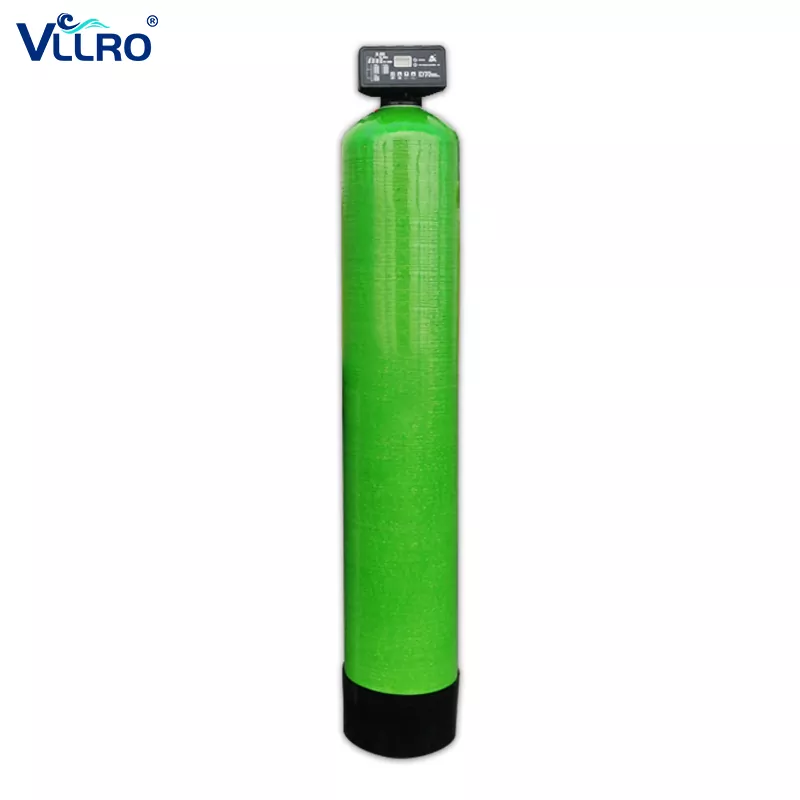
l Multi‑media filter (sand filter) – removes suspended solids, sediment, and turbidity
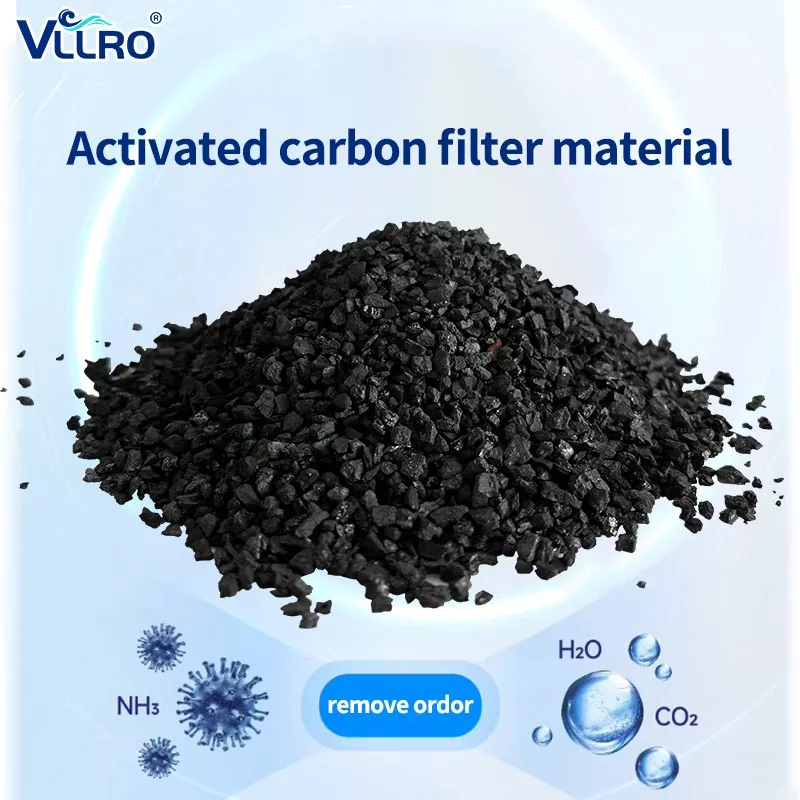
l Activated carbon filter – eliminates chlorine, odors, and organic compounds
l Water softener – reduces calcium and magnesium (hardness)
l Cartridge (security) filter – final 5‑micron polish before the RO membrane
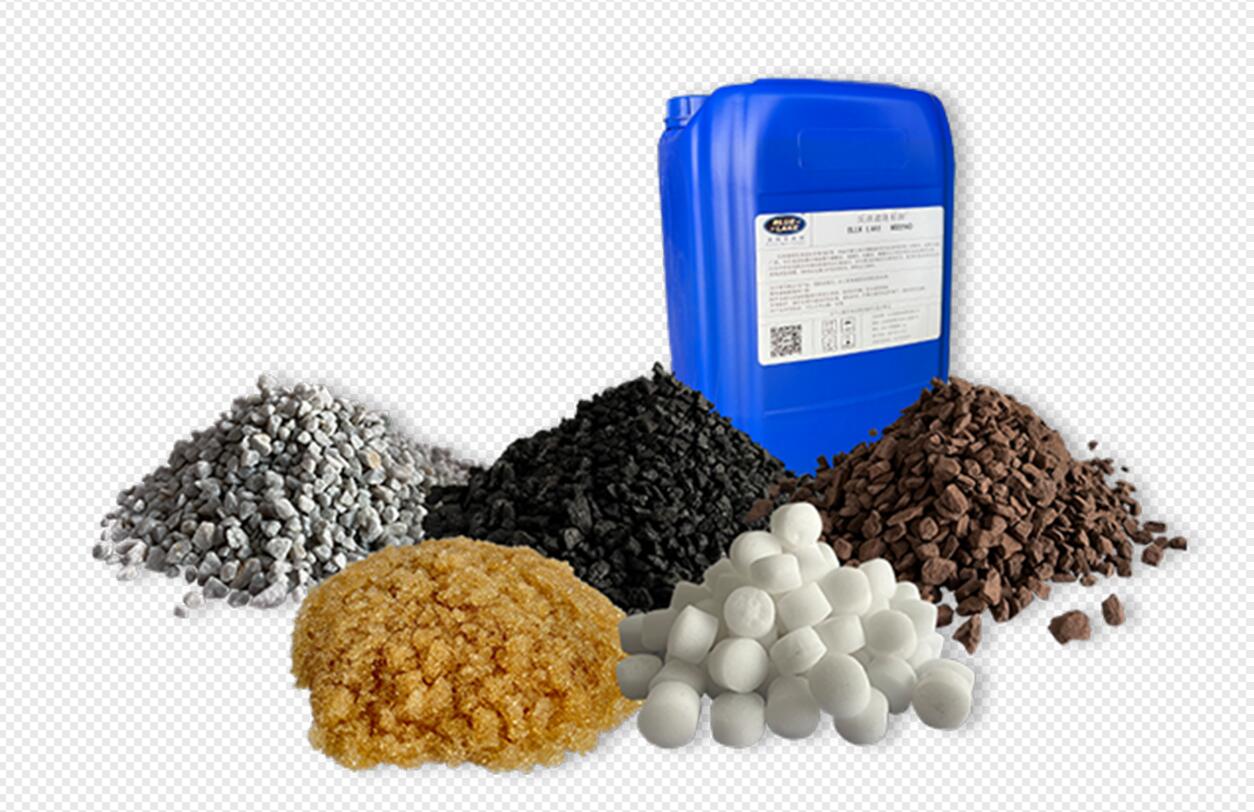
Each stage has a specific job. Skip one, and you‘re asking for trouble.
Pro tip: The multi‑media filter alone can remove particles larger than 20 microns. That includes sand, rust, and visible sediment. But it won‘t touch chlorine or dissolved minerals – that‘s why you need the full lineup.
How to Choose the Right Pretreatment Based on Your Water Quality
Here‘s where things get interesting. Different water sources need different pretreatment configurations. Let me walk you through the most common scenarios I encounter.
Scenario 1: Tap Water (Municipal Supply)
Typical issues: Chlorine/chloramines, low turbidity, some sediment
Recommended pretreatment: Multi‑media filter → Activated carbon filter → Softener (if needed) → Security filter
Why? Municipal water contains residual chlorine to kill bacteria. But chlorine is a strong oxidizer – it will destroy your RO membrane‘s polyamide layer within months. The activated carbon filter is non‑negotiable here. For the best results, choose coconut shell carbon with an iodine value of at least 800 mg/g.
Scenario 2: Groundwater / Well Water
Typical issues: High hardness, iron, manganese, sometimes low turbidity
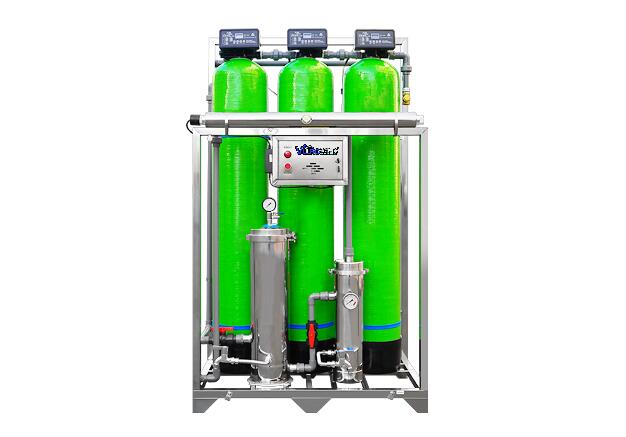
Recommended pretreatment: Aeration/oxidation → Manganese sand filter → Multi‑media filter → Carbon filter → Security filter
This is tricky. Iron (Fe²⁺) and manganese (Mn²⁺) are dissolved in well water – you can‘t see them until they oxidize and turn your water brown or black. You must remove iron to below 0.1 mg/L and manganese to below 0.05 mg/L before the water reaches your RO membrane. A manganese sand filter does exactly that.
If your well water has hardness above 300 mg/L (as CaCO₃), you‘ll also need an ion exchange softener. Otherwise, scale will form on your membrane and you‘ll be cleaning it constantly.
Scenario 3: Surface Water (River / Lake / Reservoir)
Typical issues: High turbidity, algae, organic matter, bacteria, seasonal variations
Recommended pretreatment: Coagulation/flocculation → Clarifier → Multi‑media filter → Activated carbon → UV sterilization → Security filter
Surface water is unpredictable. Rainy season brings mud. Summer brings algae blooms. You need coagulation – adding a chemical like PAC to clump tiny particles together so they can be filtered out. Without this step, your multi‑media filter will clog within days.
Final Words from Sophia
Pretreatment isn‘t glamorous. It‘s not the shiny part of your RO equipment. But it‘s the foundation. Without it, everything else crumbles.
Related News
- How to Reduce Wastewater in Commercial RO Systems Without Sacrificing Membrane Life
- How to Calculate ROI for a Commercial Water Refilling Station
- How to Design a Borehole Water Pretreatment System for Remote Commercial RO Stations
- The "Brain" Behind the System: How VLLRO's Intelligent IoT Control Platform Revolutionizes Water Management
- The Invisible Shield: Why UV Sterilization is Non-Negotiable for Safe Drinking Water
- Maximizing RO Longevity: The Complete Guide to Water Filtration Consumables and Replacement Cycles
Leave me a message