English
- English
- Español
- Português
- русский
- Français
- 日本語
- Deutsch
- tiếng Việt
- Italiano
- Nederlands
- ภาษาไทย
- Polski
- 한국어
- Svenska
- magyar
- Malay
- বাংলা ভাষার
- Dansk
- Suomi
- हिन्दी
- Pilipino
- Türkçe
- Gaeilge
- العربية
- Indonesia
- Norsk
- تمل
- český
- ελληνικά
- український
- Javanese
- فارسی
- தமிழ்
- తెలుగు
- नेपाली
- Burmese
- български
- ລາວ
- Latine
- Қазақша
- Euskal
- Azərbaycan
- Slovenský jazyk
- Македонски
- Lietuvos
- Eesti Keel
- Română
- Slovenski
- मराठी
- Srpski језик

How Does a Pressure Tank Work Without a Water Tower?
How Does a Pressure Tank Work Without a Water Tower?
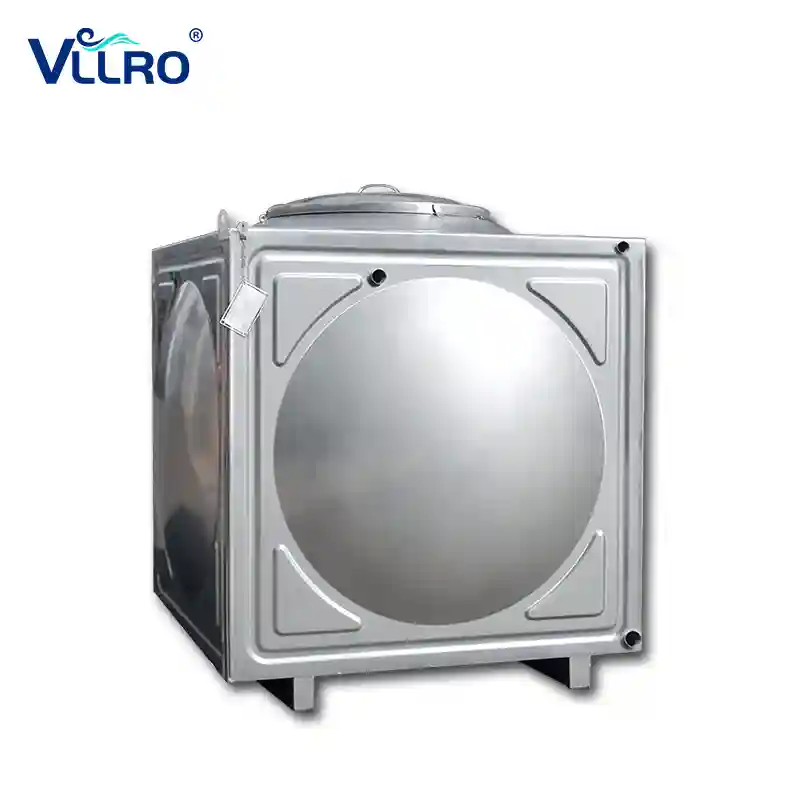
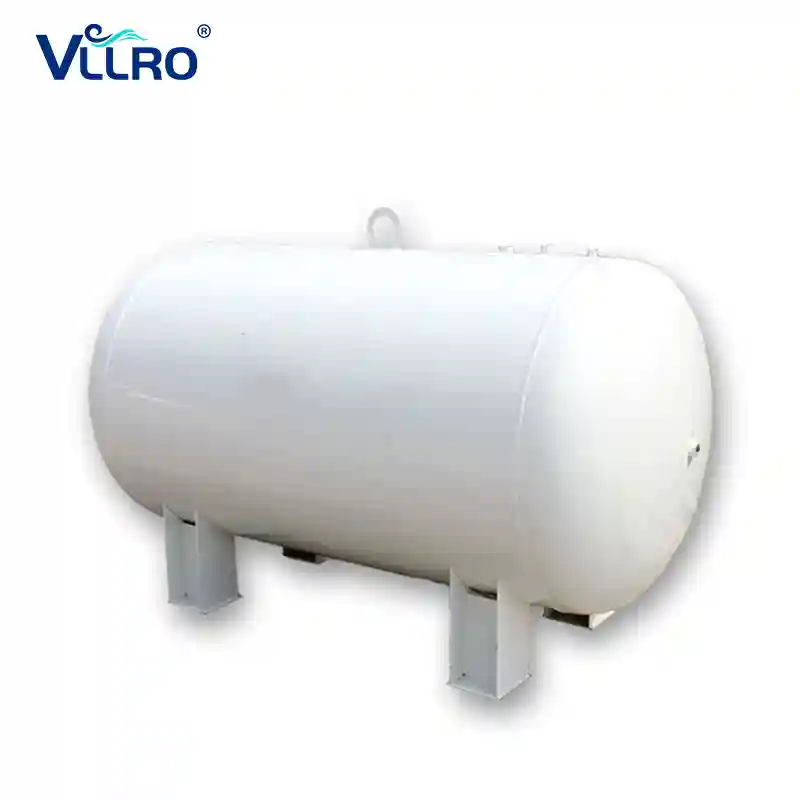
If you live in a rural area or run a small farm, you’ve probably seen a pressure tank – also called a “towerless water supply tank.” It replaces the old‑fashioned water tower, using compressed air to deliver steady water pressure. But how does it actually work?
I‘m Sophia. In this guide, I’ll break down the automatic fill‑and‑release cycle, explain why it‘s better than a water tower, and show you how the pump + pressure switch + tank work together to give you “city‑like” water pressure – anywhere.
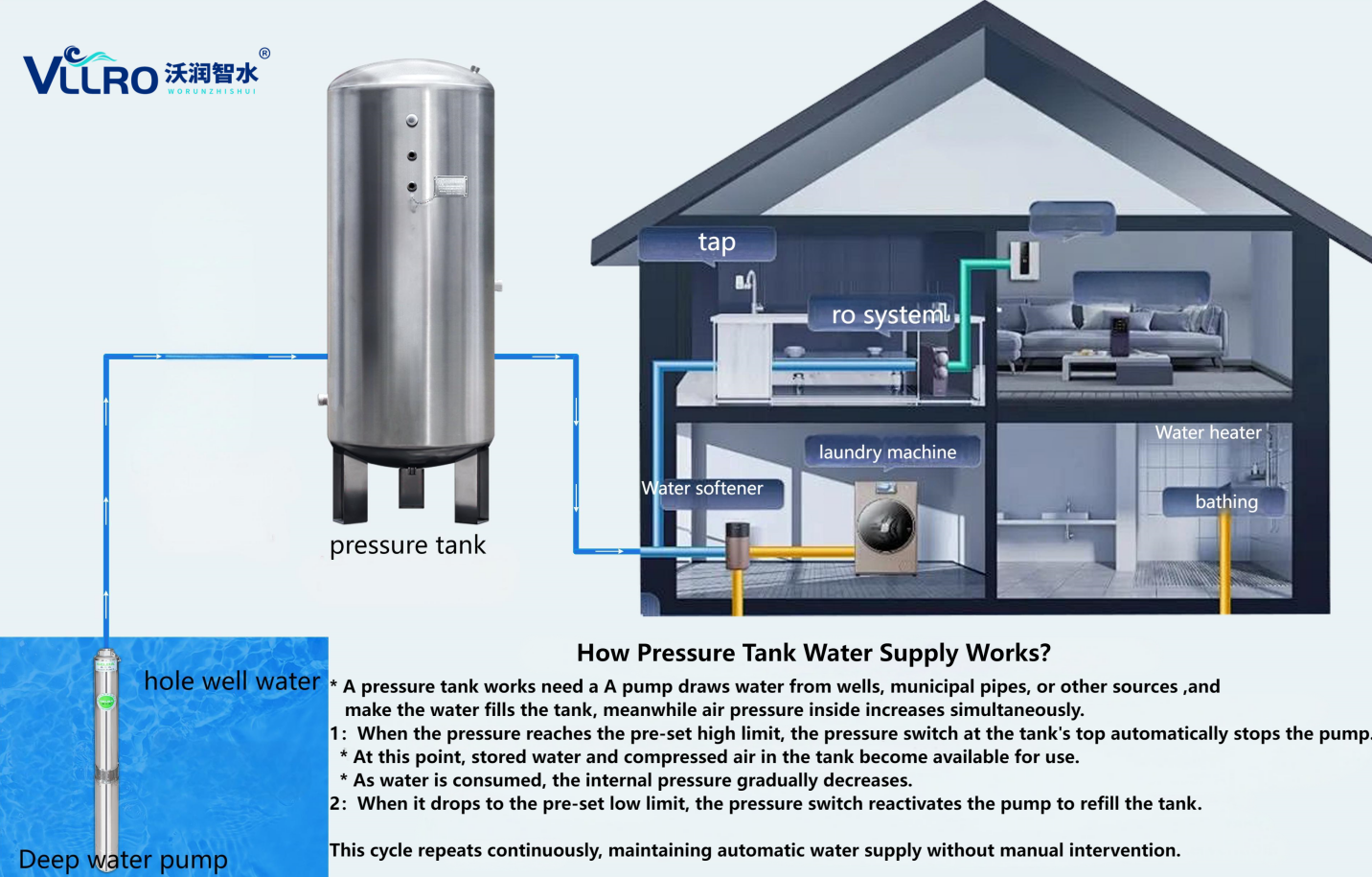
The Core Principle – Using Compressed Air as an Energy Battery
A pressure tank relies on a simple physics fact: air can be compressed, water cannot. Inside the sealed tank, air sits above the water. When the pump pushes water in, the air gets squeezed – storing energy. When you open a tap, that compressed air expands, pushing water out with steady force.
Think of it as a rechargeable energy battery for your water system. No tower, no gravity – just air pressure.
The Automatic Cycle – Fill (Charge) and Release (Discharge)
Step 1: Fill / Charge Phase (Pump Adds Water)
Your water pump starts. Water flows through a one‑way check valve into the sealed tank. As water volume increases, the air above gets compressed, and pressure rises.
When the pressure hits the upper limit (for example, 0.28 MPa / 40 psi), a pressure switch cuts power to the pump. The pump stops. Now the tank holds both compressed air (stored energy) and pressurized water.
Step 2: Release / Discharge Phase (Water Flows Out)
You turn on a faucet, shower, or sprinkler. The compressed air expands, pushing water out at a stable pressure. The water level drops, and the pressure decreases.
When pressure falls to the lower limit (say 0.14 MPa / 20 psi), the pressure switch restarts the pump. Water refills the tank, and the cycle repeats – automatically, 24/7.
Sophia‘s tip: This automatic on‑off cycle means your pump runs less often and lasts longer – no more dry‑running or constant manual switching.
Why Replace a Water Tower? 5 Big Advantages
For decades, people built tall water towers to get pressure from gravity. But a pressure tank makes towers obsolete. Here’s why:
|
Feature |
Water Tower |
Pressure Tank |
|
Height requirement |
Must be higher than highest tap |
No height limit – install anywhere |
|
Pressure stability |
Low and varies with water level |
Strong and constant |
|
Installation cost |
High (concrete, steel structure) |
Low (compact unit) |
|
Space needed |
Large footprint |
Small, fits in a corner |
|
Emergency supply |
None (gravity stops when tank empty) |
Yes – stored compressed air gives short term water even during power outage |
Real example: A client with a hillside farm spent $12,000 on a water tower that still gave weak pressure. We replaced it with a $1,500 pressure tank – now they run two showers and a washing machine simultaneously.
The Perfect Trio – Pump + Pressure Switch + Tank = Automatic City‑Like Water
A pressure tank alone does nothing. You need three components working together:
1. The pump – pushes water from your well, borehole, or storage tank.
2. The pressure switch – senses tank pressure and turns the pump on/off at pre‑set limits.
3. The pressure tank – stores compressed air and water, delivering stable pressure.
How they work as a team:
- When pressure drops to low limit → switch turns pump ON → tank refills → pressure rises to high limit → switch turns pump OFF.
- The cycle repeats automatically. You don‘t touch anything.
For advanced systems, a variable frequency drive (VFD) adjusts pump speed based on actual water demand – saving even more electricity.
The Top Benefits You’ll Notice Immediately
After switching to a towerless pressure tank system , my clients report these 7 real‑world improvements:
1. Huge cost savings
- No concrete water tower – save ~70% compared to building a tower.
- No elevated steel structure – save ~60% vs. a high‑level tank.
2. Stable, strong pressure
- No more “dribbling” shower or fluctuating sprinklers.
- Enough pressure to run solar water heaters, instant electric heaters, washing machines, and dishwashers – even on the second floor.
3. Flexible installation
- Install the tank indoors, outdoors, under a staircase, or in a pump house – no height constraints.
4. Emergency water supply during power outages
- When the grid fails, the compressed air still pushes out a few gallons – enough for drinking and cooking.
5. Closed, hygienic system
- Unlike open storage tanks, a pressure tank is sealed. No dust, insects, or algae can enter – your water stays clean.
6. Long service life
- Carbon steel tanks last 10+ years; stainless steel (304/316) lasts 20+ years – no rust, no leaks.
7. Truly “set and forget”
- Once installed and adjusted, the system runs unattended for years. Only occasional air‑charge checks needed (every 6‑12 months)
Common Applications – Where You’ll Find Pressure Tanks
Because of these benefits, towerless pressure tanks are everywhere:
- Rural homes & cottages – replace unreliable gravity systems.
- Farms & greenhouses – provide steady irrigation pressure.
- Small factories & workshops – supply cooling water or process water.
- Hotels & guesthouses – ensure guests get strong showers on every floor.
- Schools & clinics – reliable water even during power cuts.
> Need a new tank or a complete booster set?
Explore our [Residential Pressure Tank Systems]?
Related News
- How to Reduce Wastewater in Commercial RO Systems Without Sacrificing Membrane Life
- How to Calculate ROI for a Commercial Water Refilling Station
- How to Design a Borehole Water Pretreatment System for Remote Commercial RO Stations
- The "Brain" Behind the System: How VLLRO's Intelligent IoT Control Platform Revolutionizes Water Management
- The Invisible Shield: Why UV Sterilization is Non-Negotiable for Safe Drinking Water
- Maximizing RO Longevity: The Complete Guide to Water Filtration Consumables and Replacement Cycles
Leave me a message