English
- English
- Español
- Português
- русский
- Français
- 日本語
- Deutsch
- tiếng Việt
- Italiano
- Nederlands
- ภาษาไทย
- Polski
- 한국어
- Svenska
- magyar
- Malay
- বাংলা ভাষার
- Dansk
- Suomi
- हिन्दी
- Pilipino
- Türkçe
- Gaeilge
- العربية
- Indonesia
- Norsk
- تمل
- český
- ελληνικά
- український
- Javanese
- فارسی
- தமிழ்
- తెలుగు
- नेपाली
- Burmese
- български
- ລາວ
- Latine
- Қазақша
- Euskal
- Azərbaycan
- Slovenský jazyk
- Македонски
- Lietuvos
- Eesti Keel
- Română
- Slovenski
- मराठी
- Srpski језик

Why Is Reverse Osmosis Water Treatment Redefining Modern Industrial Water Recycling Standards?
Rising municipal water tariffs and strict environmental regulations are forcing industrial facilities to transition from single-use water consumption to closed-loop recycling networks. While basic mechanical filtration cannot isolate dissolved ions or microscopic mineral scalants, high-pressure membrane separation offers a reliable industrial solution. This article breaks down the engineering behind cross-flow filtration, details structural component layouts, and examines how implementing a specialized VLLRO Reverse Osmosis Water Treatment system allows manufacturing plants to lower utility costs, stabilize daily operational baselines, and secure independent production resources.
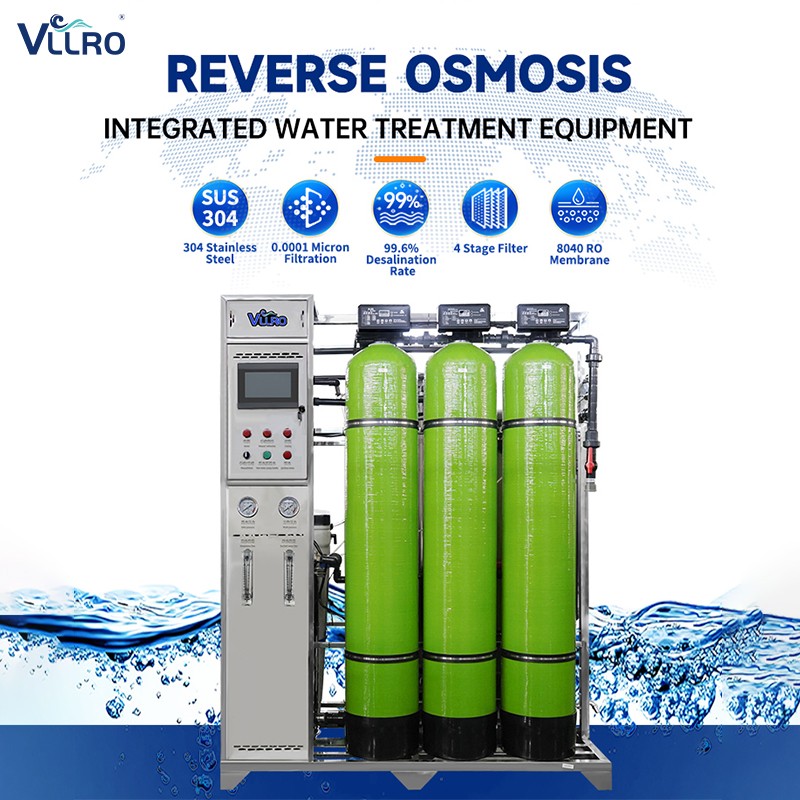
1. The Shift to Industrial Closed-Loop Fluid Systems
For decades, industrial and commercial operations followed a linear water strategy: extract groundwater or draw from municipal lines, use it once in boilers or cooling towers, treat the effluent minimally, and discharge it as trade waste. Today, this approach faces severe economic pressures due to fluctuating raw water quality, regulatory discharge penalties, and supply instability.
To build true operational resilience, facilities are shifting toward localized, closed-loop treatment setups. By separating chemical byproducts, micro-sediment, and dissolved mineral solids at the point of use, plants can reuse up to half of their process wastewater. This transition centers around automated, multi-stage Reverse Osmosis Water Treatment installations engineered by VLLRO. These systems give managers direct control over their water chemistry, independent of municipal supply variations.
2. Mechanical Overview of Cross-Flow Membrane Separation
Standard mechanical water filters—like sediment screens or multimedia depth beds—rely on dead-end filtration, where the entire fluid stream passes directly through a barrier. This design causes particles to pile up on the surface, rapidly blocking the filter and requiring frequent backwashing.
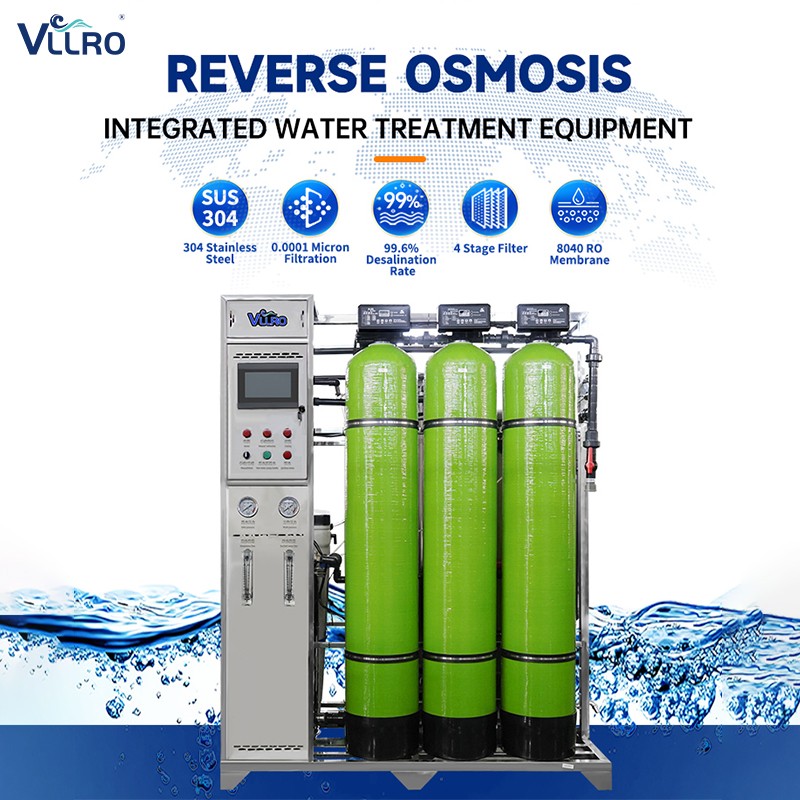
In contrast, an industrial reverse osmosis system utilizes a cross-flow processing design. The pressurized feed water travels parallel to the membrane surface. A portion of the water passes through the 0.0001-micron pores to create a purified "permeate" stream, while the remaining fluid flows past the barrier as a concentrated brine. This continuous sweeping motion washes away rejected minerals, heavy metals, and bacteria, preventing immediate fouling and extending the system's operational windows.
3. Physical Engineering Specifications & Equipment Architecture
Building a reliable fluid treatment station requires matching structural elements with high-pressure internal mechanics. The system layout must prioritize easy component access while protecting sensitive electronic controls from humid, high-pressure plant floors.
Engineering Component Allocation Matrix
| Structural Component | Selected Engineering Metric / Model Variant |
| System Designation | VLLRO-RO-1.0 |
| Volumetric Output Rating | 1.0 Cubic Meter per Hour (1.0 T/H) |
| Inlet / Outlet Port Sizes | Feed: 3/4-inch (6') / Permeate Output: 1/2-inch (4') |
| Target Fluid Operating Temperature | Optimal calibrated value of 25°C |
| Structural Frame Material | Rigid, industrial-grade 304 Stainless Steel |
| Primary Pressurization Source | Vertical multistage SHIMGE pump unit |
| Membrane Filtration Core | HuiTong 4040 low-pressure elements × 4 |
| Primary Media Configurations | 80kg Graded Quartz Sand / 28kg Granular Carbon |
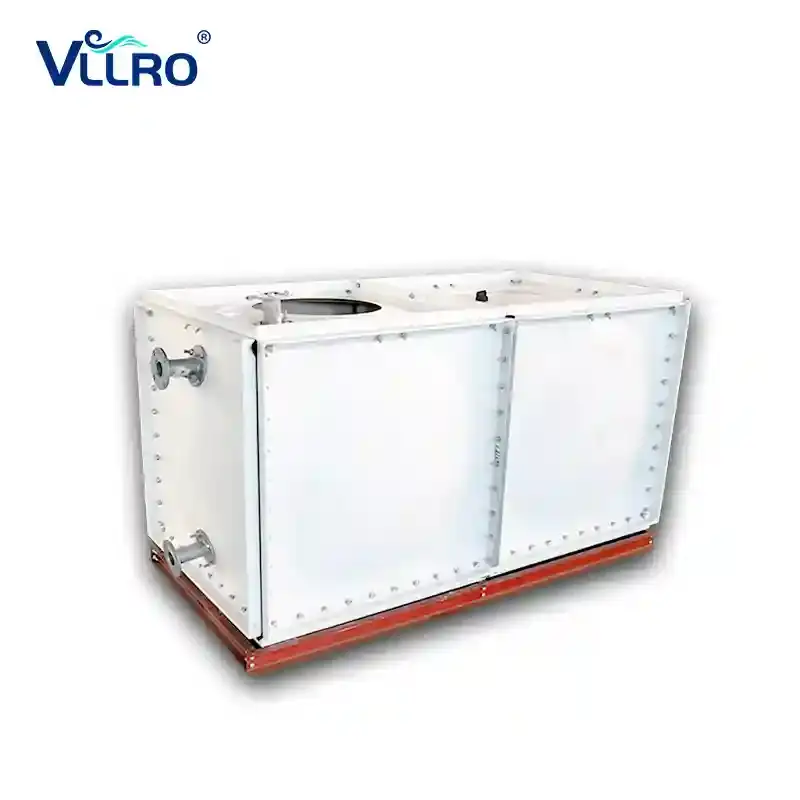
| Integrated Buffer Storage | 300-Liter atmospheric stainless steel tank |
| Raw Water Tolerance Benchmarks | TDS < 1500 ppm / Turbidity Max < 5 FTU |
4. Mitigating Scale and Membrane Fouling in Demanding Environments
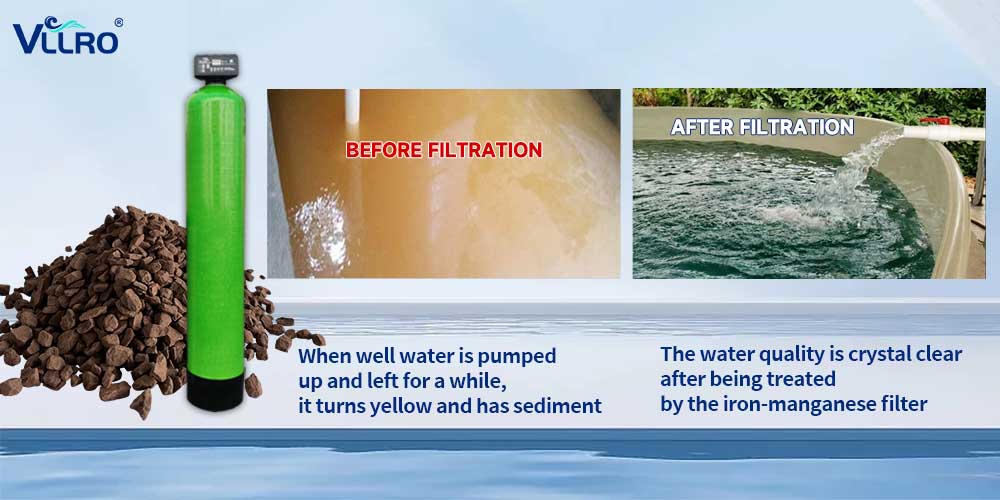
The primary threat to any membrane-based processing unit is element scaling. When raw water contains high concentrations of calcium, magnesium, or iron silica, the high-pressure extraction process concentrates these ions. If they exceed their solubility limits, they precipitate out, forming a hard crystalline crust over the microscopic membrane pores.
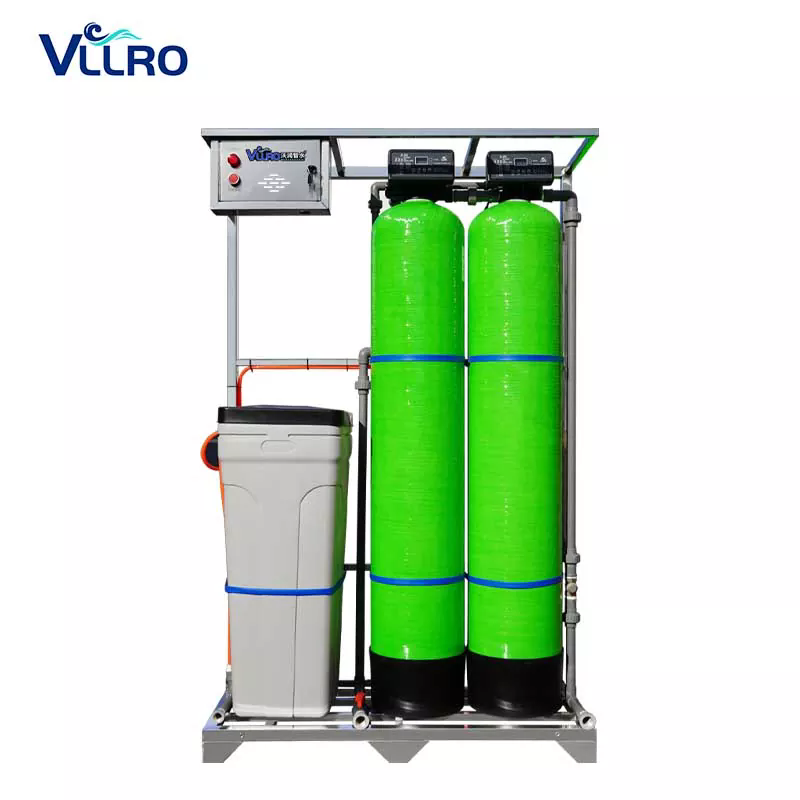
To prevent this performance loss, VLLRO systems integrate a synchronized three-tier pre-treatment stack:
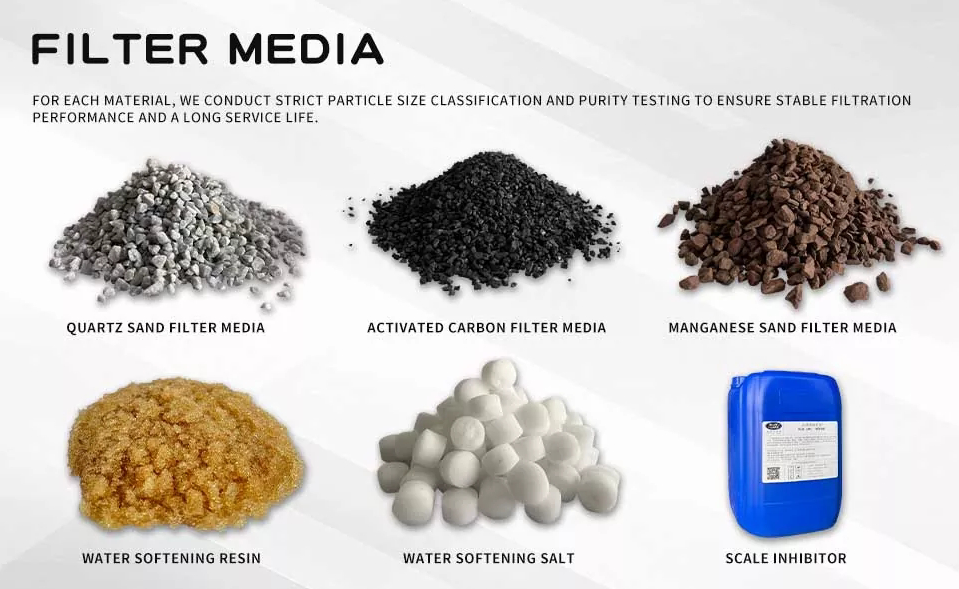
• Deep Particulate Capture: A heavy-duty quartz sand bed captures large mineral flakes and suspended rust down to macroscopic visibility limits.
• Chemical Adsorption: A secondary bed of high-surface-area granular activated carbon strips out organic matter and reactive free chlorine, which would otherwise chemically degrade polyamide membrane surfaces.
• Targeted Scale Inhibition: Automated dosing pumps introduce specialized anti-scalant polymers. These polymers distort growing mineral crystals, keeping them suspended in the concentrate stream so they are safely flushed out as wastewater rather than binding to the equipment.
5. Operational Realities: Balancing Flux, Recovery, and Power Consumption
Running an industrial water station requires balancing three key operational metrics: membrane flux (the rate of water passage per unit area), system recovery ratio, and energy consumption. Pushing a system to extract too much clean water increases internal pressures, accelerating membrane scaling and fouling.
Standard industrial designs often generate excessive wastewater, using a 1:3 recovery ratio that discards three liters of source water for every liter purified. By leveraging advanced low-energy membranes and optimized pressure vessels, VLLRO configurations maintain a stable 1:1 recovery ratio under normal operating conditions. This significantly cuts raw water consumption while keeping pump pressures within a stable 0.8 to 1.2 Mpa range, lowering monthly energy bills.
6. Field Deployment: Clean Utility Integration for Public Networks
Large-scale public institutions and educational networks need decentralized water treatment systems that can run continuously without constant manual adjustments or specialized engineering staff on site.
The Operational Demand
An educational infrastructure program in Malaysia required consistent water purification upgrades across more than 200 distributed primary and secondary school campuses. The regional water supplies suffered from high seasonal turbidity and industrial runoff, which overloaded standard commercial point-of-use filters.
The Implemented Layout
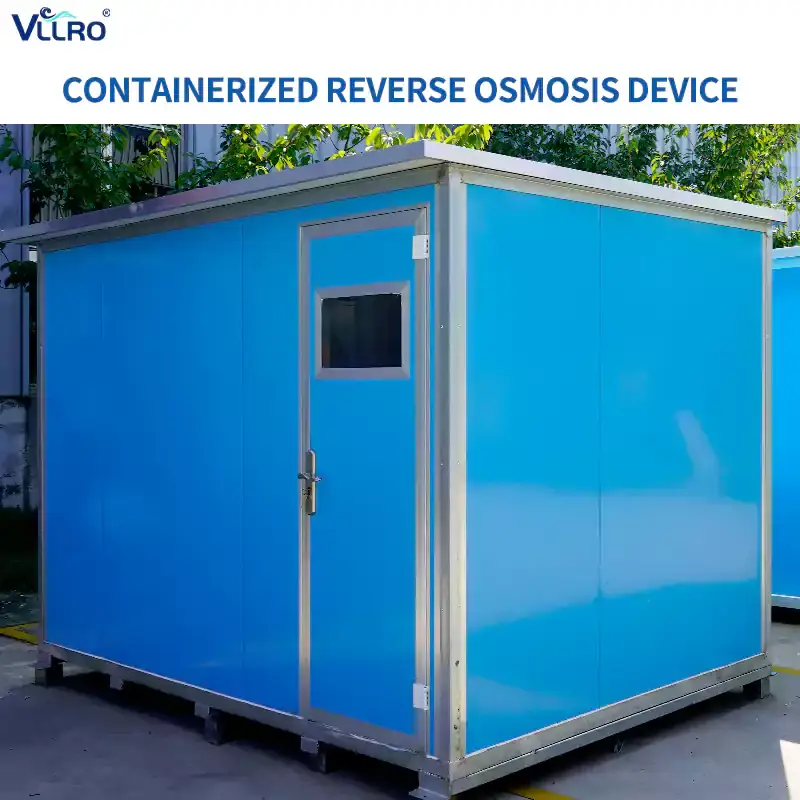
To handle these remote operational environments, engineers deployed skid-mounted Reverse Osmosis Water Treatment plants featuring automated control panels. Every system underwent a full 72-hour continuous extreme pressure simulation test at the VLLRO manufacturing plant before final crating and delivery.
These systems feature integrated automatic flushing programs that periodically clean the membrane surfaces using internal pure water. This automated self-cleaning cycle prevents sediment buildup, ensuring the schools receive reliable, direct-drinking water 24 hours a day without requiring manual daily maintenance.
7. Frequently Asked Questions (FAQ)
What is the function of the automated monitoring system?
The integrated control panel tracks system parameters in real time. If incoming water pressures drop too low or membrane backpressures exceed safety limits, the system triggers built-in safety shutdowns to prevent the high-pressure pumps from running dry or damaging the membrane array.
Can standard systems process high-salinity seawater?
No, standard commercial or light industrial units are rated for brackish water or groundwater with a Total Dissolved Solids (TDS) value under 1500 ppm. Processing seawater requires heavy-duty high-pressure desalination pumps and thick-walled pressure vessels capable of handling the osmotic pressures found in marine environments.
How do technicians know when a membrane requires servicing?
A drop in daily pure water volume or a noticeable increase in the product water's TDS values typically indicates fouling or scale accumulation. If the system's operational pressures rise by 15% under normal temperatures, it is time to perform a standard chemical clean-in-place (CIP) cycle.
Are the spare parts proprietary or universally compatible?
The system uses standardized fittings, filters, and electrical components. Consumables like the 4040 membrane modules, carbon media, and standard sediment pre-filters conform to international industrial specifications, making it simple to source high-quality replacements locally.
Conclusion & Cooperation Invitation
Maintaining a competitive manufacturing or commercial operation requires reliable utility infrastructure that minimizes water and energy waste. Investing in a tailored purification setup protects your expensive heating elements, keeps processing loops free of scale, and insulates your business from fluctuating utility costs.
Our application engineering team is ready to review your raw water lab reports, map out your plumbing configurations, and assemble a high-efficiency system built around your specific daily flow requirements. To secure your infrastructure with a durable VLLRO Reverse Osmosis Water Treatment system, contact us today to speak directly with an application engineer and request an itemized technical proposal.
Related News
- How to Reduce Wastewater in Commercial RO Systems Without Sacrificing Membrane Life
- How to Calculate ROI for a Commercial Water Refilling Station
- How to Design a Borehole Water Pretreatment System for Remote Commercial RO Stations
- The "Brain" Behind the System: How VLLRO's Intelligent IoT Control Platform Revolutionizes Water Management
- The Invisible Shield: Why UV Sterilization is Non-Negotiable for Safe Drinking Water
- Maximizing RO Longevity: The Complete Guide to Water Filtration Consumables and Replacement Cycles
Leave me a message