English
- English
- Español
- Português
- русский
- Français
- 日本語
- Deutsch
- tiếng Việt
- Italiano
- Nederlands
- ภาษาไทย
- Polski
- 한국어
- Svenska
- magyar
- Malay
- বাংলা ভাষার
- Dansk
- Suomi
- हिन्दी
- Pilipino
- Türkçe
- Gaeilge
- العربية
- Indonesia
- Norsk
- تمل
- český
- ελληνικά
- український
- Javanese
- فارسی
- தமிழ்
- తెలుగు
- नेपाली
- Burmese
- български
- ລາວ
- Latine
- Қазақша
- Euskal
- Azərbaycan
- Slovenský jazyk
- Македонски
- Lietuvos
- Eesti Keel
- Română
- Slovenski
- मराठी
- Srpski језик

How to Maintain Commercial RO Water Treatment Systems?
How to Maintain Commercial RO Water Treatment Systems? Sophia‘s 5-Step Guide
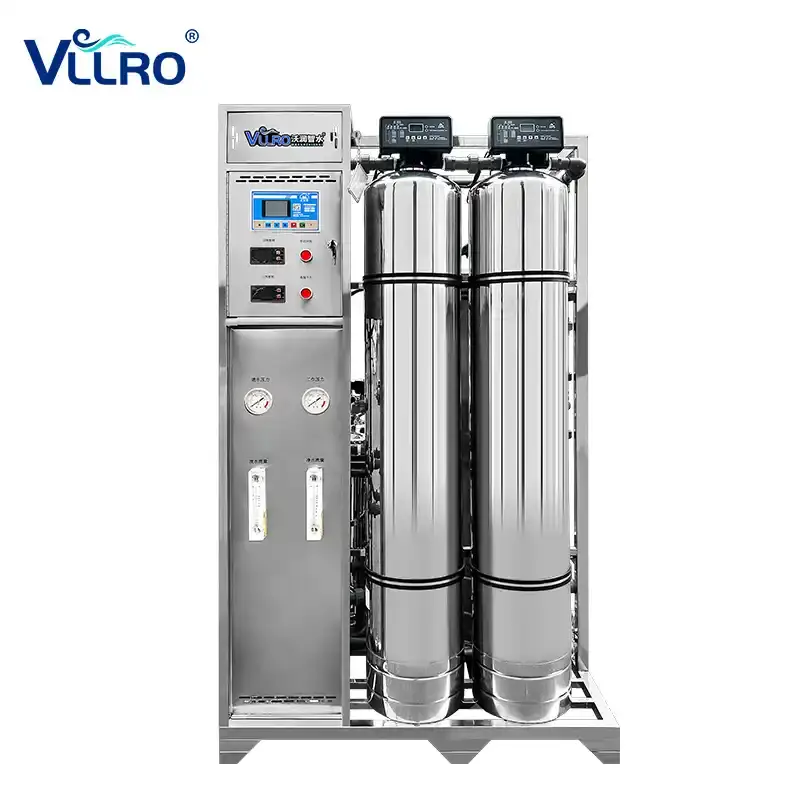
Installing a commercial reverse osmosis system is a smart investment for schools, hotels, hospitals, and offices. It removes bacteria, viruses, heavy metals, and organic matter – delivering safe, healthy drinking water every day. But here’s what many people forget: proper maintenance is the only way to keep that system running for years. Without it, performance drops, membranes fail, and water quality suffers.
I‘m Sophia. I’ve helped dozens of facilities maintain their commercial ro water treatment equipment. Today, I‘ll share my 5‑step maintenance guide – from installation to regular servicing. Follow these steps, and your system will deliver clean water reliably for 5‑10 years.
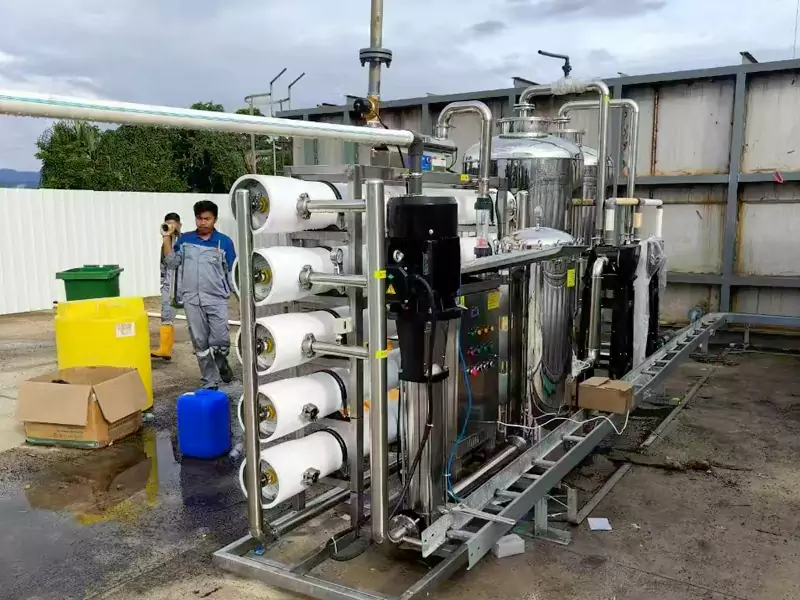
Step 1 – Choose the Right Installation Location
Before we talk about maintenance, let’s start with installation. A poorly installed commercial reverse osmosis system is hard to maintain and fails faster.
Here’s what I recommend:
- Dry and well‑ventilated area – Moisture promotes rust and bacterial growth.
- Easy access for servicing – Leave at least 0.5‑1 meter of space around the system.
- Avoid direct sunlight and high heat – UV degrades plastic components; heat raises membrane temperature beyond 45°C.
- Close to water source and drain – Short pipes mean less pressure loss and fewer leak points.
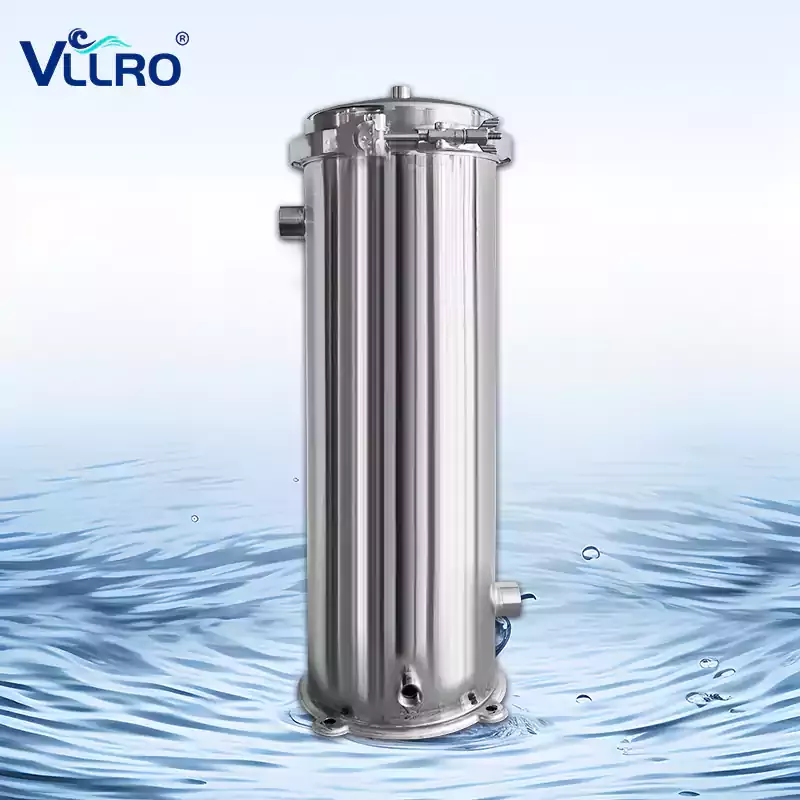
Pro tip: Install a pre‑filter (sand + carbon) before the system – it reduces the load on your main commercial ro water treatment components and cuts maintenance frequency by 30‑40%.
Step 2 – Follow the Correct Installation Procedure
Never guess your way through installation. Always follow the manufacturer‘s manual. Here’s the general sequence:
1. Assemble the frame and mount all components (pump, filters, membrane housings).
2. Connect water inlet and outlet pipes. Check every connection for leaks – even a small drip wastes water and lowers pressure.
3. Install the drain line for concentrate (waste water).
4. Connect electrical wiring for the pump and control panel.
5. Slowly open the feed valve and run the system without the membrane first to flush out debris.
6. Install the RO membranes and run for 1‑2 hours, discarding the first permeate.
If this sounds complex – it is. I always recommend hiring a professional installer for commercial reverse osmosis system . One wrong pipe connection can damage the membranes in days.
Step 3 – Regularly Clean and Replace Membrane Components
The RO membrane is the heart of your commercial ro water treatment system. It removes 95‑99% of contaminants. But it also gets dirty.
Cleaning Schedule
|
When to Replace the Membrane
- Every 2‑3 years for standard feed water (tap or well within limits)
- Every 12‑18 months for poor feed water (high SDI, iron, or organics)
- Immediately if the membrane shows physical damage or oxidation (chlorine attack)
I once worked with a hotel that never cleaned their membranes for 18 months. The membranes were so scaled that they had to be cut out of the housings. That cost $4,500 in damages – all because they skipped regular cleaning.
Step 4 – Inspect All Auxiliary Components
Membranes get all the attention, but pumps, valves, and instruments are just as important. A failing pump or a stuck valve can destroy your membranes in hours.
Here‘s my monthly checklist for commercial reverse osmosis system auxiliary parts:
- Feed pump – Listen for unusual noise or vibration. Check for leaks at the shaft seal.
- High‑pressure pump – Verify discharge pressure is within spec (usually 100‑200 psi for brackish water RO).
- Valves – Manually open and close each valve (feed, concentrate, recycle). Stiff or leaking valves need replacement.
- Pressure gauges – Compare readings to normal values. A gauge that stays stuck means it‘s broken.
- Flow meters – Ensure permeate and concentrate flow rates match the design ratio (typically 1:1 to 1:3).
- Conductivity/TDS meter – Calibrate every 3 months. A sudden rise in permeate TDS indicates a seal or membrane issue.
Document everything. I give my clients a simple log sheet to record pressures, flows, and TDS every week. That data helps you spot problems before they become emergencies.
Step 5 – Monitor Water Parameters & Watch for Warning Signs
Even with perfect maintenance, things can go wrong. Train your staff to watch for these red flags:
|
Warning Sign |
What It Means |
What To Do |
|
Low permeate flow |
Clogged filters, fouled membrane, or low feed pressure |
Check pre filters; clean membrane; check pump |
|
High permeate TDS |
Membrane damage or O ring leak |
Inspect membrane and seals; replace if needed |
|
Unusual noise from pump |
Cavitation or bearing wear |
Check feed pressure; call technician |
|
Smelly or discolored water |
Biological growth or carbon exhaustion |
Shock sanitize system; replace carbon |
|
Sudden pressure drop |
Clogged cartridge filter or valve partially closed |
Replace filter; check valve position |
If you notice two or more signs, shut down the system immediately and investigate. Running a damaged commercial ro water treatment system only makes repairs more expensive.
Why Professional Maintenance Is Worth the Cost
Some facility managers try to save money by doing everything themselves. I understand the budget pressure. But commercial reverse osmosis system maintenance requires training and tools.
A professional service contract typically costs $500‑$1,500 per year, depending on system size. That includes:
- Quarterly on‑site inspections
- Chemical cleaning of membranes
- Calibration of instruments
- Emergency troubleshooting
Without a contract, one emergency membrane replacement can cost $2,000‑$5,000 – plus downtime. In a hospital or hotel, downtime means no clean water. That‘s a risk you don‘t want to take.
My recommendation: For systems under 1,000 L/hour, train one in‑house person. For larger systems, always use a certified technician.
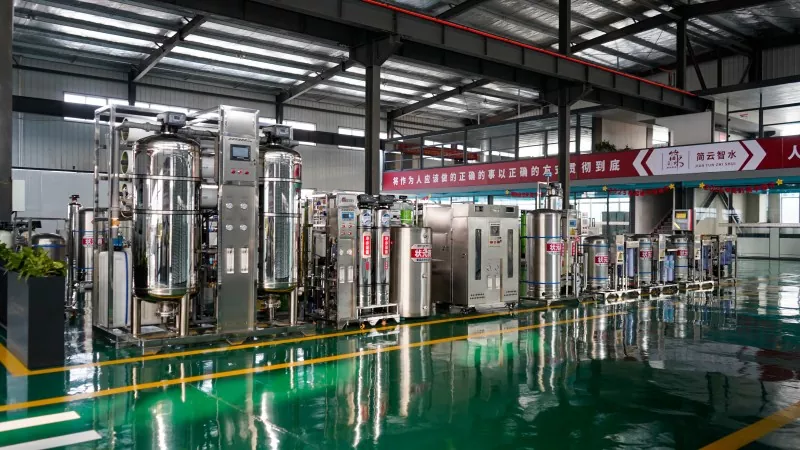
Ready to Maintain Your Commercial RO System?
Now that you know the 5 steps – proper installation, correct assembly, membrane cleaning, auxiliary checks, and parameter monitoring – you‘re ready to keep your system running like new.
Explore our [Commercial RO Systems] – all come with a detailed maintenance manual and optional service contracts.
Need replacement membranes or filters? Browse our [Replacement Parts] for genuine components.
Not sure about your system‘s condition? Send me your weekly log data – I‘ll review it for free and tell you what needs attention.
Related News
- How to Reduce Wastewater in Commercial RO Systems Without Sacrificing Membrane Life
- How to Calculate ROI for a Commercial Water Refilling Station
- How to Design a Borehole Water Pretreatment System for Remote Commercial RO Stations
- The "Brain" Behind the System: How VLLRO's Intelligent IoT Control Platform Revolutionizes Water Management
- The Invisible Shield: Why UV Sterilization is Non-Negotiable for Safe Drinking Water
- Maximizing RO Longevity: The Complete Guide to Water Filtration Consumables and Replacement Cycles
Leave me a message