English
- English
- Español
- Português
- русский
- Français
- 日本語
- Deutsch
- tiếng Việt
- Italiano
- Nederlands
- ภาษาไทย
- Polski
- 한국어
- Svenska
- magyar
- Malay
- বাংলা ভাষার
- Dansk
- Suomi
- हिन्दी
- Pilipino
- Türkçe
- Gaeilge
- العربية
- Indonesia
- Norsk
- تمل
- český
- ελληνικά
- український
- Javanese
- فارسی
- தமிழ்
- తెలుగు
- नेपाली
- Burmese
- български
- ລາວ
- Latine
- Қазақша
- Euskal
- Azərbaycan
- Slovenský jazyk
- Македонски
- Lietuvos
- Eesti Keel
- Română
- Slovenski
- मराठी
- Srpski језик

What Are the Main Components of an RO System?
What Are the Main Components of an RO System? Sophia’s Full Breakdown
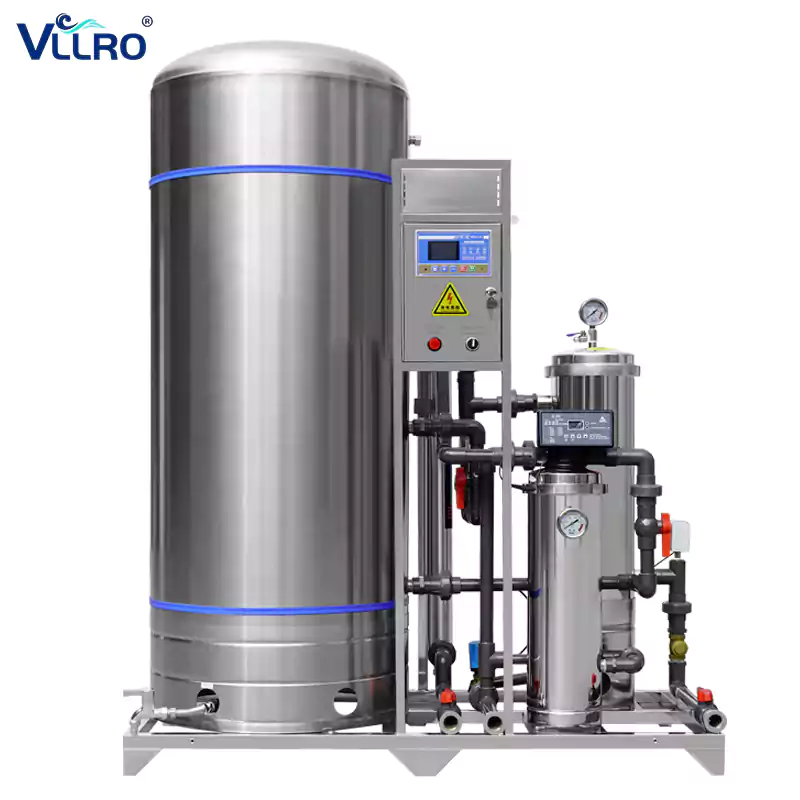
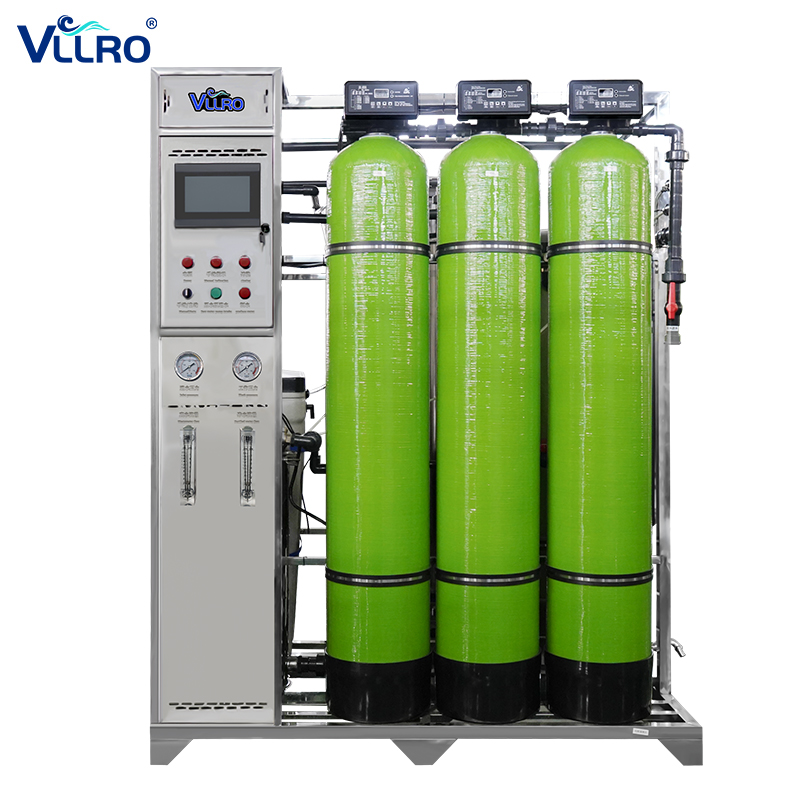
When people ask me, “Sophia, what‘s inside a RO system?” I always say: think of it as a team of nine specialists. Each component has a unique job. If one fails, the whole team struggles. Today, I’ll walk you through every RO system component – from the raw water tank to the final pure water tank. By the end, you‘ll understand exactly how your ro water treatment equipment works and why each part matters.Let’s go.
Raw Water Tank – The Steady Buffer
Raw water pressure and flow are rarely stable. Without a buffer tank, your pretreatment filters would suffer constant shocks, reducing their efficiency.
The raw water tank solves this. It stores incoming water and balances pressure fluctuations. It comes with two level control valves:
- High‑level valve – When water reaches the high mark, the inlet valve closes to prevent overflow.
- Low‑level valve – When water drops to a low level, the inlet valve opens to refill. Another low‑level sensor stops the raw water pump from running dry (no water = pump damage). The pump restarts only after the tank refills to a safe level.
Sophia‘s tip: A properly sized raw water tank also prevents your RO system component from short‑cycling – starting and stopping too often. That alone can double your pump‘s lifespan.
Raw Water Pump – Overcoming Pretreatment Resistance
The raw water pump does two things:
1. Overcomes resistance from all the pretreatment filters (sand, carbon, softener).
2. Provides enough flow to backwash those filters when they get dirty.
Without this pump, water would trickle through your system. The low‑level sensor in the raw water tank protects the pump from dry running – a common cause of burnout.
Quartz Sand Filter – First Line of Defense
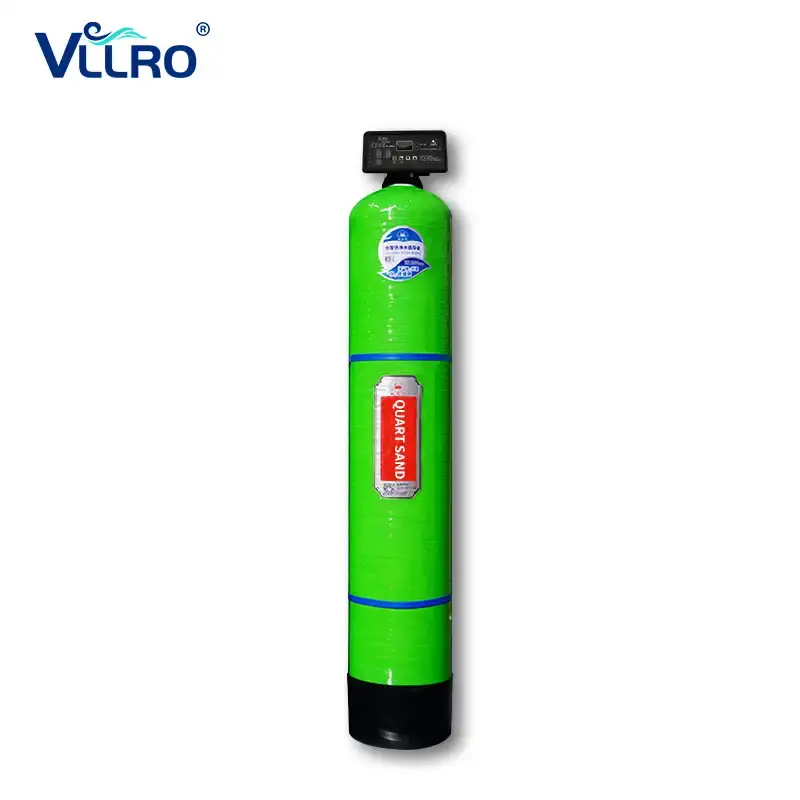
The quartz sand filter is one of the most important RO system component for pretreatment. Its job: remove rust, sand, algae, and colloidal particles. It reduces turbidity to below 0.5 NTU, CODₘₙ under 1.5 mg/L, iron under 0.05 mg/L, and SDI ≤ 5.
It uses a Runsion multi‑port valve with these features:
- High‑flatness, wear‑resistant, corrosion‑resistant sealing discs – long life, no leaks.
- Logical cycle: Run → Fast rinse → Backwash → Fast rinse → Run.
- Can be operated under pressure.
Every few days, you backwash the sand filter to flush out trapped dirt. That restores its filtering capacity.
Activated Carbon Filter – Chlorine Remover
RO membranes are extremely sensitive to free chlorine and organic matter. Even 0.1 mg/L of chlorine can oxidize and destroy the membrane within months.
The activated carbon filter adsorbs chlorine, odor, color, organic compounds, and microorganisms. Its effluent meets RO feed requirements: free chlorine ≤ 0.1 mg/L, SDI ≤ 4.
Like the sand filter, it uses the same Runxin valve with the same backwashable design. Replace the carbon media every 6‑12 months depending on your water quality.
I’ve seen membranes fail in 4 months simply because the carbon filter was exhausted. Never skip carbon maintenance.
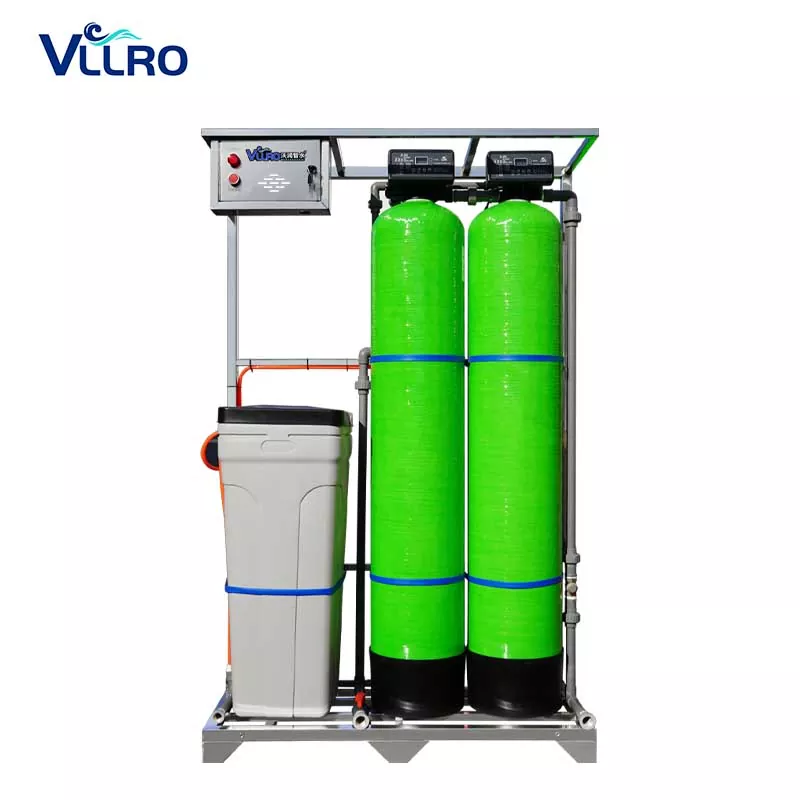
Water Softener – Fighting Hardness Scale
If your water is hard (high calcium and magnesium), scale will crystallize on the RO membrane. That’s a death sentence.
The softener uses ion exchange resin to remove calcium, magnesium, iron, manganese, and barium. It protects the membrane from scaling. Like the other pretreatment filters, it runs on a Runsion valve with the same Run → Backwash → Fast rinse cycle.
Word of experience: For well water with iron above 0.3 mg/L, add a manganese sand filter before the softener – otherwise the resin gets fouled quickly.
Cartridge (Security) Filter – The Final Polish
An RO membrane is only about 10 microns thick. Large particles accelerated by the high‑pressure pump can scratch or even puncture the membrane’s desalination layer.
That‘s why every RO system component lineup includes a 5‑micron cartridge filter right before the high‑pressure pump. It catches any loose media or particles that escaped the upstream filters.
The filter uses a melt‑blown PP cartridge. Replace it when the pressure difference between inlet and outlet exceeds 0.07‑0.1 MPa (usually every 3‑6 months).
High‑Pressure Pump – The Muscle
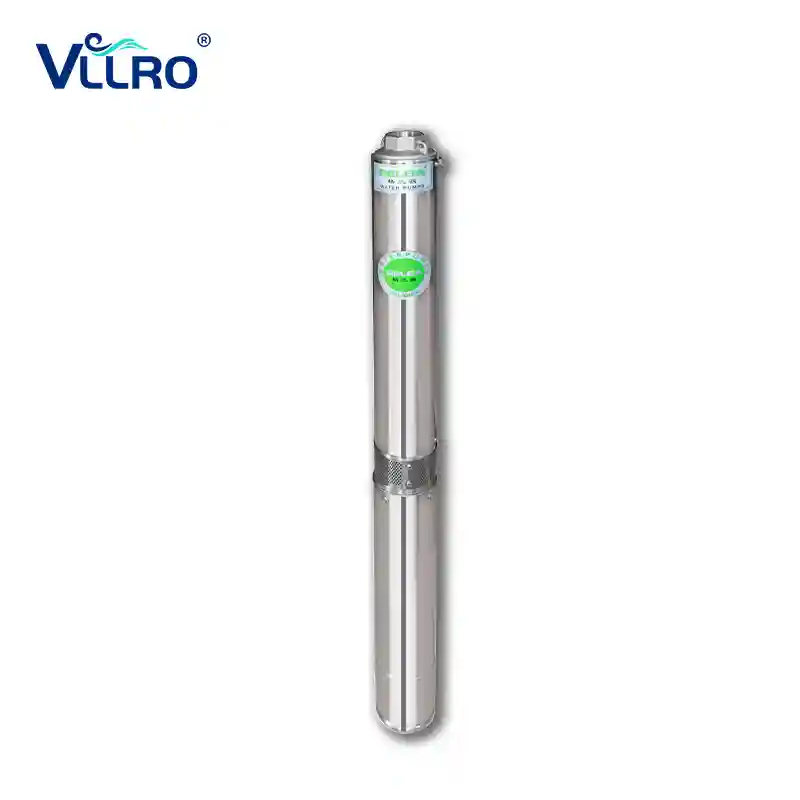
The **high‑pressure pump** provides the force needed to push water through the RO membrane. Without enough pressure, reverse osmosis simply won’t happen.
Our systems use SHIMGE vertical multistage centrifugal pumps – compact, in‑line design with the same inlet/outlet diameter. Different pump sizes and stages match your required flow and pressure.
The pump includes:
- Low‑pressure protection – shuts off if feed pressure is too low.
- High‑pressure protection – shuts off if discharge pressure is too high.
- Auto‑timer flush – periodically flushes the membrane surface to remove buildup.
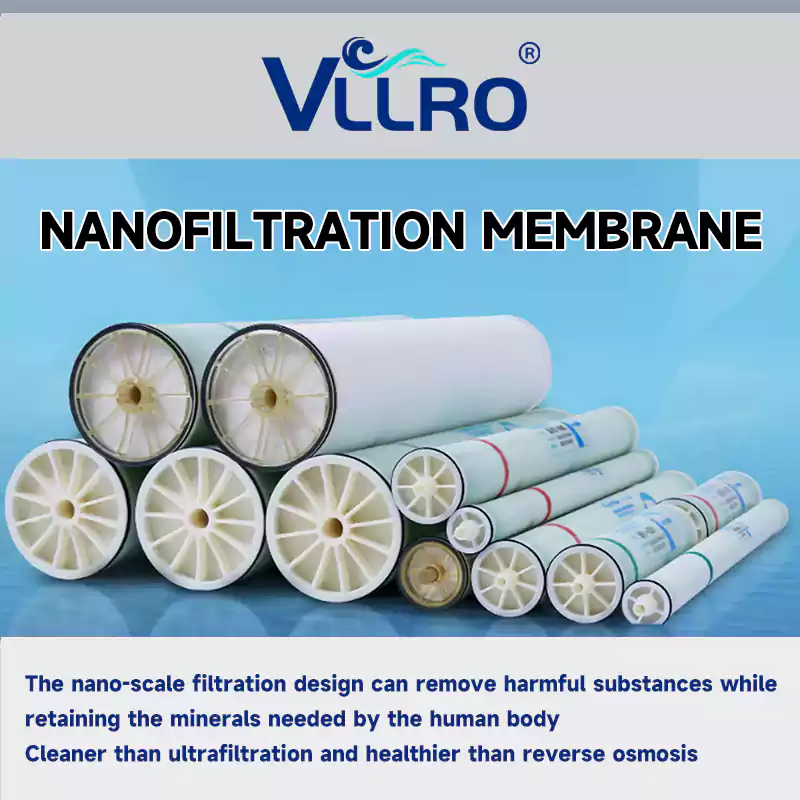
Reverse Osmosis Membrane – The Heart of the System
Here‘s where the magic happens. Let me explain osmosis first.
If you separate pure water from salty water with a semi‑permeable membrane, pure water naturally flows into the salty side. That’s osmosis. The pressure that stops this flow is called osmotic pressure.
Now, if you apply pressure greater than osmotic pressure on the salty side, pure water is forced back through the membrane into the pure side. That‘s reverse osmosis.
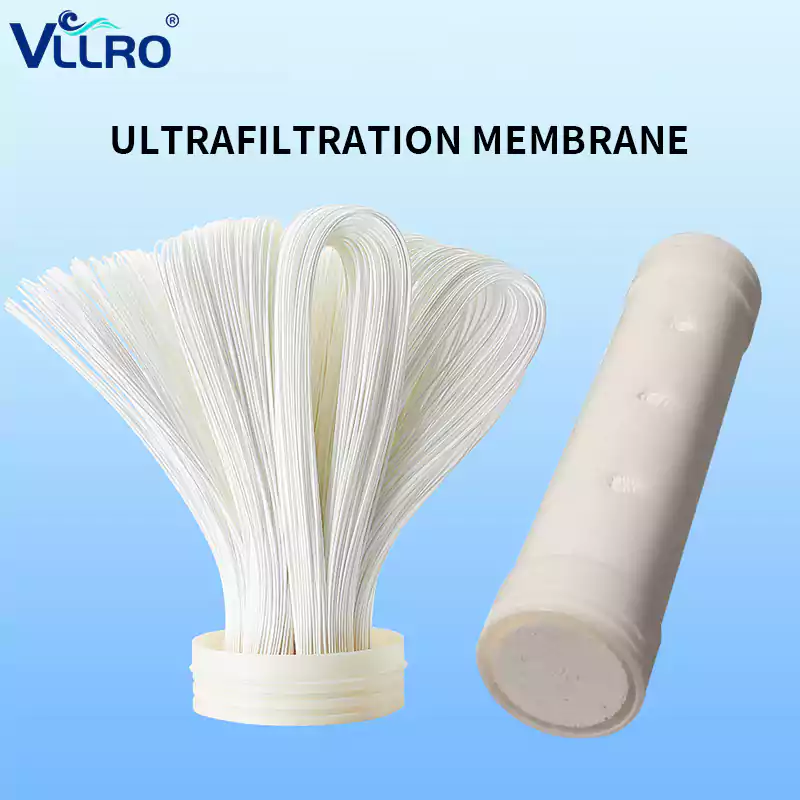
Our RO system component uses ultra‑low‑pressure spiral‑wound membranes. Under pressure, water molecules pass through microscopic pores. Contaminants – dissolved solids, organics, colloids, bacteria – are rejected and washed away in the concentrate stream.
Typical rejection rates: 95‑99% for TDS, 99%+ for bacteria and viruses.
Pure Water Tank – Safe Storage
After reverse osmosis, the purified water needs a clean place to wait until you turn on the tap.
Our pure water tank uses 304 food‑grade stainless steel. It‘s fully sealed – no secondary contamination. A pressure controller and the membrane‘s back pressure enable fully automatic water supply. The tank can even supply water to a second floor without an extra pump.
Tip: For home use, a smaller pressure tank works. For commercial systems, go with stainless steel atmospheric tanks plus a repressurization pump.
Why Understanding Each Component Saves You Money
Knowing every RO system component isn‘t just academic. When a problem happens – low flow, bad taste, no water – you can diagnose which part is failing. Is the sediment filter clogged? Is the carbon filter exhausted? Is the membrane scaled?
I‘ve helped customers save thousands by simply replacing a $15 cartridge filter on time instead of letting the problem kill a $300 membrane.
Ready to Build or Upgrade Your RO System?
Now that you know the nine key components – from raw water tank to pure water tank – you‘re ready to make informed decisions.
Explore [Commercial RO Equipment]– customizable pretreatment trains and high‑flow pumps.
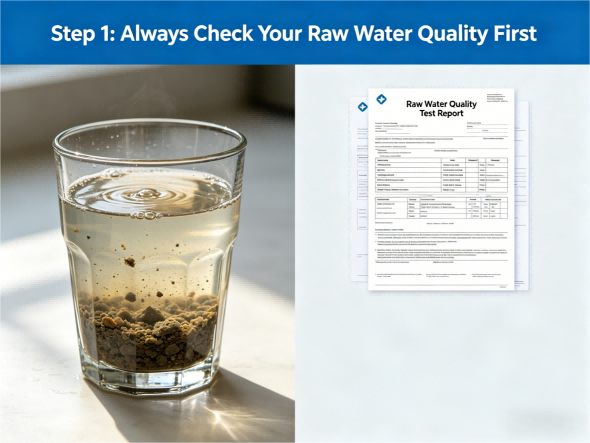
Not sure which components fit your water? Send me your water test report. I‘ll recommend the exact setup.
Related News
- How to Reduce Wastewater in Commercial RO Systems Without Sacrificing Membrane Life
- How to Calculate ROI for a Commercial Water Refilling Station
- How to Design a Borehole Water Pretreatment System for Remote Commercial RO Stations
- The "Brain" Behind the System: How VLLRO's Intelligent IoT Control Platform Revolutionizes Water Management
- The Invisible Shield: Why UV Sterilization is Non-Negotiable for Safe Drinking Water
- Maximizing RO Longevity: The Complete Guide to Water Filtration Consumables and Replacement Cycles
Leave me a message