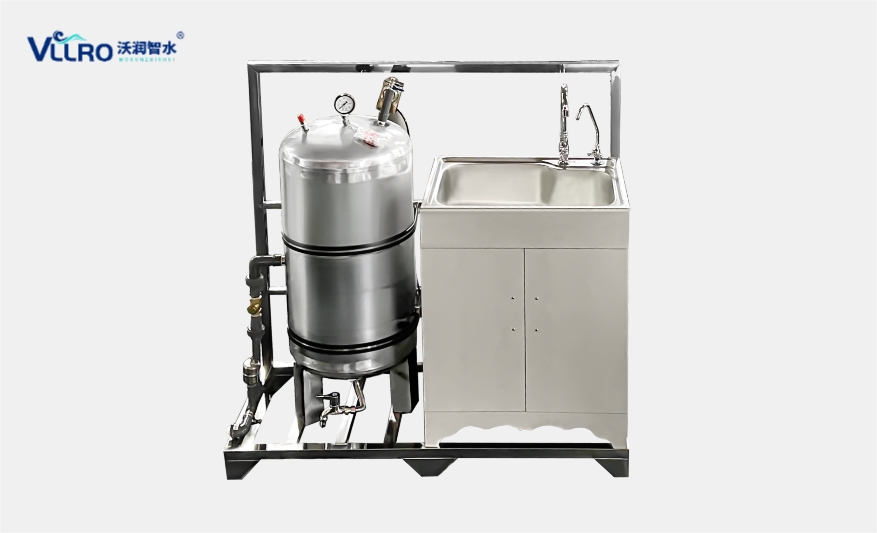
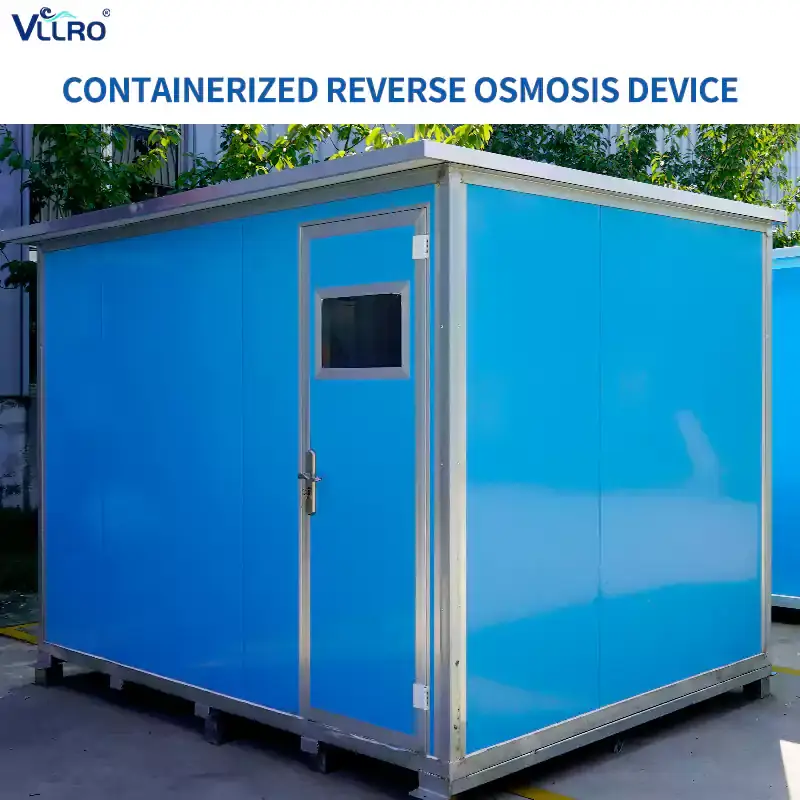
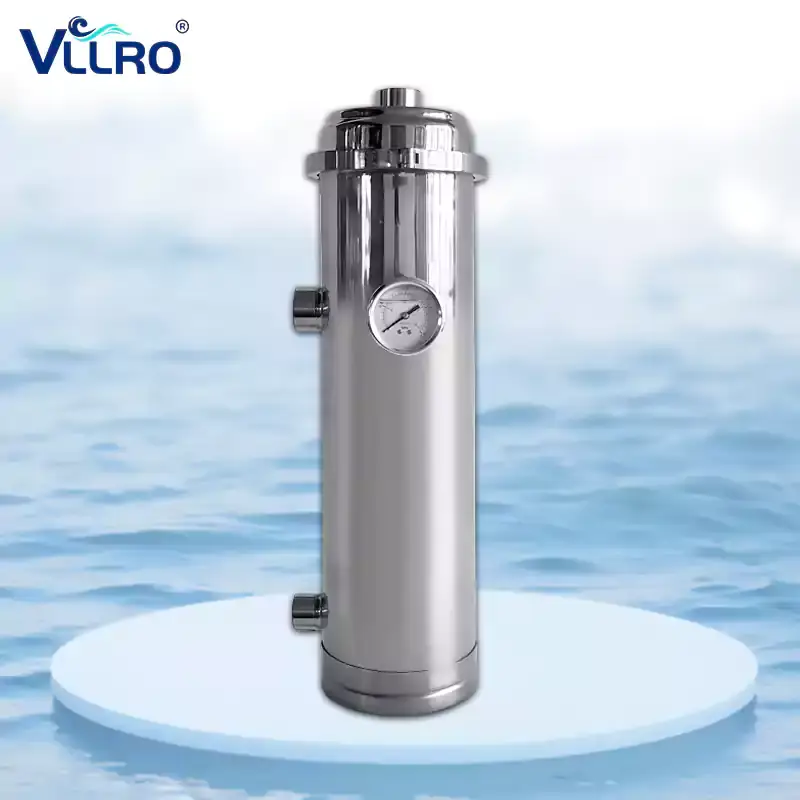
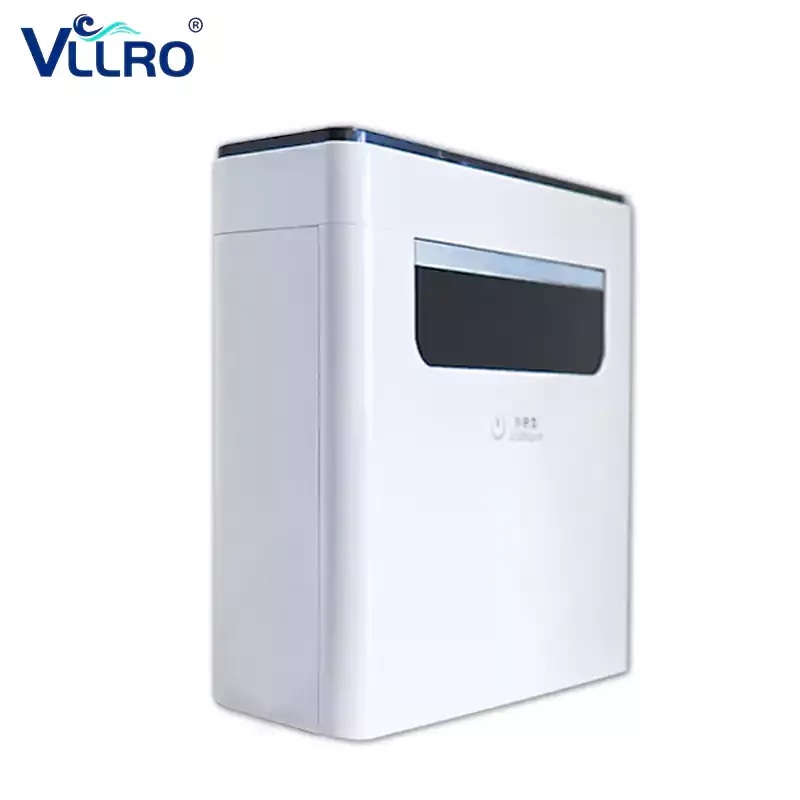
Clean water is no longer a background utility that businesses can afford to overlook. In restaurants, schools, offices, hotels, factories, clinics, and public facilities, water quality directly affects product consistency, employee well-being, equipment lifespan, and customer trust. A Commercial Water Purifier helps solve recurring problems such as unpleasant taste, unstable water quality, scale buildup, sediment, odor, and maintenance costs caused by untreated water entering daily operations. For organizations looking for a reliable and practical water solution, Jianyun Zhishui (Qingdao) Industrial Technology Co., Ltd. offers equipment concepts built around durability, sanitation, and application-focused design. This article explains what buyers should really look for, what pain points matter most, and how the right purification system supports smoother business performance.
Article Summary
This article explores why a Commercial Water Purifier matters in professional environments, what common water-related issues businesses face, and how purification systems help improve water safety, taste, equipment protection, operational stability, and long-term cost control. It also covers selection factors, installation considerations, common misconceptions, and a practical FAQ for decision-makers comparing different options.
Table of Contents
- Article Outline
- What Problems Does Untreated Water Cause for Businesses?
- What Value Does a Commercial Water Purifier Bring?
- How Does Purified Water Improve Daily Operations?
- How Should You Choose the Right System?
- Which Industries Need a Commercial Water Purifier Most?
- What Buying Mistakes Should Be Avoided?
- FAQ
- Final Recommendation
Article Outline
- Business pain points caused by poor water quality
- Core benefits of installing a Commercial Water Purifier
- Operational, financial, and hygiene advantages
- Selection checklist for buyers and project managers
- Application examples across industries
- Common purchasing mistakes and practical answers
What Problems Does Untreated Water Cause for Businesses?

Many companies do not realize how much poor water quality affects daily work until the damage becomes visible. A business may first notice unusual taste in drinking water, cloudy appearance in food preparation, scale on heating elements, recurring service calls, or customer complaints about beverages and hygiene. These issues are often symptoms of a deeper and more expensive problem: the water entering the site is not properly controlled for the actual use scenario.
In commercial settings, water is rarely used for only one purpose. The same supply may support drinking, cooking, cleaning, ice production, beverage preparation, steam equipment, restroom facilities, and process operations. If water contains excessive sediment, chlorine odor, dissolved solids, hardness minerals, or other impurities, every connected point may suffer in a different way. That means the business is not dealing with one inconvenience but with a chain of related operational problems.
- Scale buildup shortens the life of equipment such as boilers, coffee machines, steamers, and heaters.
- Unpleasant taste or odor can affect customer satisfaction in restaurants, cafes, offices, and hospitality spaces.
- Sediment and unstable water quality can increase cleaning frequency and maintenance costs.
- Water inconsistency may reduce the quality of products that depend on controlled input conditions.
- Poor hygiene confidence can damage brand perception, especially in customer-facing industries.
This is why investing in a Commercial Water Purifier is not simply about filtering water. It is about protecting workflows, safeguarding equipment, reducing avoidable expense, and delivering a better experience to every person who depends on your facility.
What Value Does a Commercial Water Purifier Bring?
A properly selected Commercial Water Purifier adds value in ways that go far beyond water appearance. It creates consistency. That consistency matters because businesses run on predictability. You want coffee to taste the same every day, kitchen equipment to operate normally, filters to last as expected, and staff to trust the water they use. Purification supports that kind of reliable environment.
When companies compare short-term purchase cost only, they often miss the broader return. A system that reduces scale, removes impurities, improves taste, and supports cleaner storage and delivery can lead to fewer interruptions and better long-term performance. For decision-makers, this turns water treatment from a reactive expense into a strategic improvement.
| Business Need | How a Commercial Water Purifier Helps |
|---|---|
| Cleaner drinking and working water | Reduces impurities that affect taste, smell, and appearance |
| Lower maintenance pressure | Helps limit sediment and hardness-related damage to equipment |
| More stable operations | Supports predictable water output for daily commercial use |
| Better customer experience | Improves confidence in beverages, food preparation, and facility hygiene |
| Longer asset lifespan | Protects water-related systems from avoidable wear and contamination risks |
The strongest systems are designed with actual application demands in mind. Flow rate, storage compatibility, installation space, maintenance access, water source conditions, and material durability all matter. That is why solution planning should never be generic. It should match the real environment where the water will be used.
How Does Purified Water Improve Daily Operations?
Businesses often think of water quality as a health or compliance matter first, but in reality it is also a workflow issue. The cleaner and more stable the water supply, the fewer small failures occur across the day. A smoother operation is usually built on reduced friction, and water-related friction is more common than many teams expect.
In a hospitality setting, purified water supports better beverage flavor, cleaner ice, and a more polished guest impression. In office settings, it improves the employee experience and reduces complaints around drinking water quality. In industrial or semi-industrial environments, it helps protect water-contact components and lowers the chance of contamination or buildup affecting production tools.
Here is a simple comparison of typical outcomes:
| Without Proper Purification | With a Commercial Water Purifier |
|---|---|
| Water taste varies from day to day | Water quality becomes more stable and predictable |
| Frequent scale or residue in machines | Cleaner internal components and easier maintenance planning |
| Higher risk of customer dissatisfaction | Greater confidence in drinking, cooking, and service output |
| Unexpected interruptions caused by water issues | Improved reliability for routine business tasks |
In practical terms, a Commercial Water Purifier helps create a workplace where water stops being a recurring problem and starts becoming a dependable resource. That shift saves time, protects reputation, and supports management confidence.
How Should You Choose the Right System?
Choosing a Commercial Water Purifier should begin with actual usage conditions rather than a product photo or a low starting price. The right model for a cafe may not be right for a hospital, a school, or a manufacturing workshop. Buyers should focus on whether the solution fits the site, the water source, and the daily demand profile.
- Water source quality: Understand whether the incoming water has sediment, chlorine, odor, hardness, or other treatment challenges.
- Daily volume demand: Estimate how much purified water the site truly needs during peak usage periods.
- Flow stability: Make sure the system can support uninterrupted operation during busy hours.
- Installation space: Check layout, access, and compatibility with existing piping or storage components.
- Material quality: Durable, hygienic materials are important for long service life and easier cleaning.
- Maintenance practicality: Filter replacement and routine servicing should be manageable for the operating team.
- Expansion potential: Businesses often grow, so future capacity should be considered at the planning stage.
This is where experienced suppliers matter. Instead of selling a one-size-fits-all product, they help customers align purification capacity, structural design, and application details with the environment that will actually use the system. That planning mindset reduces mismatch risk and improves purchase confidence.
Which Industries Need a Commercial Water Purifier Most?
The short answer is that almost any organization relying on shared water use can benefit, but the urgency becomes greater when water directly influences service quality, sanitation, public trust, or equipment longevity.
- Restaurants and cafes: Better water for beverages, cooking, washing, and customer-facing quality.
- Hotels and hospitality: Improved guest perception and support for multiple water use points.
- Offices and campuses: More reliable drinking water for employees, visitors, and shared spaces.
- Hospitals and clinics: Stronger confidence in sanitary support systems and routine facility use.
- Factories and workshops: Reduced impact of water impurities on process equipment and utility systems.
- Schools and public institutions: More consistent water quality for daily community use.
In each of these environments, a Commercial Water Purifier is not just a utility upgrade. It becomes part of service quality control and infrastructure reliability.
What Buying Mistakes Should Be Avoided?

Some buyers choose systems too quickly and then spend more later on corrections, service calls, and replacement components. The most common mistake is assuming all purification systems are basically the same. They are not. Commercial use places very different demands on capacity, consistency, and durability.
- Buying based only on low price without evaluating long-term operating needs
- Ignoring actual water conditions at the site
- Choosing insufficient flow capacity for peak business hours
- Overlooking maintenance access and replacement convenience
- Failing to consider compatibility with related storage or delivery equipment
- Selecting a supplier that cannot support tailored project communication
A good purchase decision balances immediate budget, site reality, and long-term operational value. That is why it helps to work with a manufacturer or supplier that understands commercial application logic rather than offering only a standard catalog response.
FAQ
1. What is the main purpose of a Commercial Water Purifier?
Its main purpose is to provide cleaner, more stable water for commercial use, helping businesses improve water quality, protect equipment, and support daily operations more reliably.
2. Is a Commercial Water Purifier only for drinking water?
No. It may also support food preparation, beverage systems, cleaning operations, process use, and other water-dependent functions depending on the application design.
3. Can purified water really reduce maintenance costs?
In many business environments, yes. Cleaner water can help reduce scale, sediment, and water-related wear that often lead to more frequent servicing or equipment inefficiency.
4. How do I know what capacity I need?
Capacity should be based on your daily usage volume, number of users, peak operating hours, and the specific tasks the system will support.
5. Does every business need the same purification configuration?
No. The right setup depends on water source quality, industry type, installation conditions, and performance expectations.
6. What should I look for in a supplier?
Look for strong product understanding, responsive communication, practical customization capability, and a clear ability to match equipment to your application rather than simply recommending a generic model.
Why Wait to Upgrade Your Water Quality?
If your business depends on water every day, delaying purification improvements usually means continuing to accept avoidable risk, inconsistent performance, and unnecessary maintenance pressure. A well-matched Commercial Water Purifier can help your team operate with more confidence, protect valuable equipment, and deliver a better experience to every user and customer.
If you are planning a new project or upgrading an existing system, now is the right time to evaluate a solution that truly fits your application. Contact us to discuss your water usage needs, site conditions, and project goals, and let us help you find a more reliable commercial water purification solution for your business.